Veterinary Expert Issues Vital Tap Water Warning to Dog Owners
A prominent veterinary professional has issued an important warning to dog owners regarding their use of tap water, highlighting a common habit that could be making hydration less appealing for pets during the colder months. Doctor James Greenwood, a Media Vet and brand ambassador for Forthglade, explains that dogs naturally drink less water in winter, but owners need to take proactive steps to ensure proper hydration.
Why Dogs Drink Less in Cold Weather
Doctor Greenwood clarifies the physiological reasons behind reduced water intake. "Throughout the colder months, it's completely normal for dogs to drink less water. As temperatures drop, their bodies conserve moisture more efficiently," he states. "They pant less and don't sweat as much, which means they lose far less fluid than in summer. Additionally, the sensation of thirst tends to feel less urgent in cooler weather, so they simply don't feel the same need to drink."
While this seasonal decrease is expected, dry winter air can still impact hydration levels. Water remains crucial for regulating body temperature and maintaining a healthy digestive system, as reported by the Daily Record.

The Cold Tap Water Problem
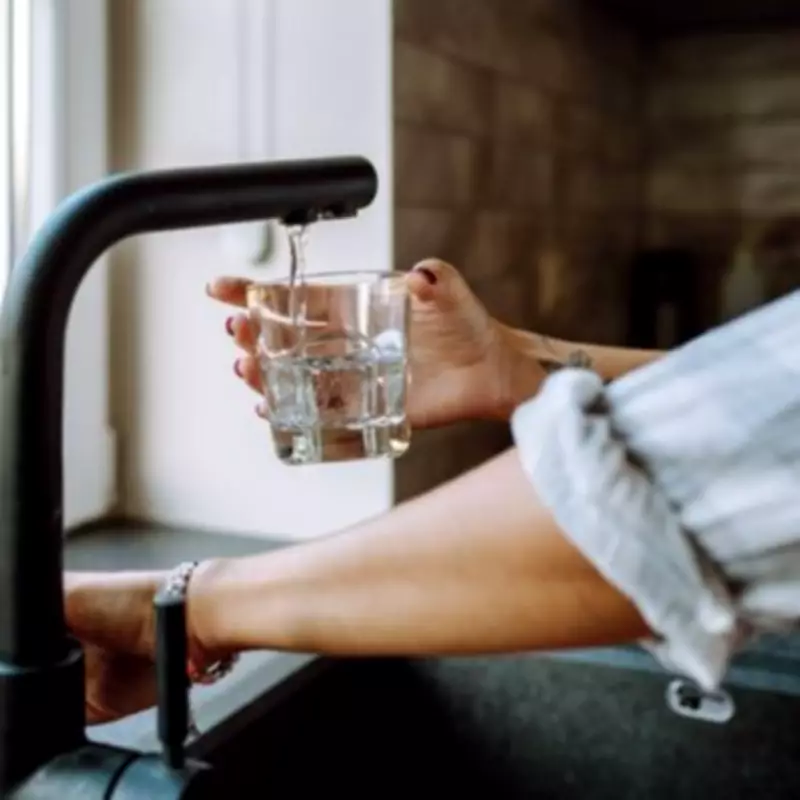
One key issue identified is the temperature of tap water. Cold water straight from the tap, which might be refreshing for humans, can be unappealing to dogs, especially in winter. Veterinarians recommend offering lukewarm or room-temperature water instead to make it more inviting and encourage drinking.
Four Practical Strategies to Boost Hydration
- Offer Room-Temperature Water: Replace cold tap water with lukewarm water to increase appeal. This simple adjustment can make a significant difference in how much your dog drinks.
- Swap to Wet Dog Food: Wet food contains 60-80% moisture compared to just 3-12% in dry kibble. Switching can help maintain hydration without relying solely on drinking water.
- Provide Multiple Water Bowls: Place extra bowls throughout your home. Dogs may not seek out water if it's out of sight, so having multiple accessible locations encourages more frequent drinking.
- Use Play to Encourage Drinking: Invest in a pet water fountain, interactive water toys, or lick mats. The flowing water or engaging activity can spark curiosity and provide both hydration and mental stimulation.
However, veterinarians strongly advise that if your dog shows persistent reluctance to drink despite these efforts, you should book a veterinary appointment to rule out any underlying health issues.