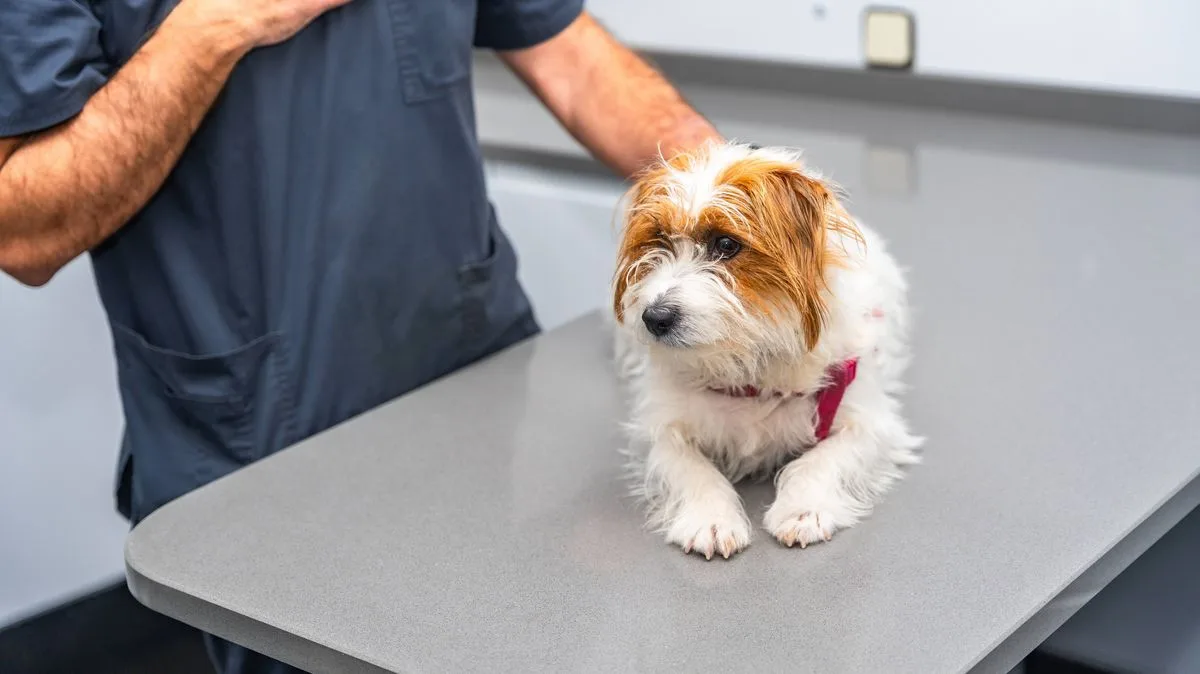
Vet Reveals One Small Change in Your Pet's Breath Could Signal End of Life
Vet: Pet's Breath Change Could Signal End of Life

A veterinary specialist has issued an urgent warning to pet owners across the nation, revealing that one seemingly minor change in your animal companion could indicate they require immediate medical attention or might even be approaching the final stages of their life.

The Critical Symptom Every Pet Owner Should Monitor

Dr Faith Banks, who specialises in geriatric and palliative veterinary care, has highlighted through her popular social media channels that alterations in your pet's breath odor represent a crucial symptom that warrants immediate investigation. This unexpected sign could point toward serious underlying health conditions that might otherwise go unnoticed until it's too late for effective intervention.

Understanding the Uremic Smell

Dr Banks shared a poignant example from her professional experience, recalling a visit to perform at-home euthanasia for a cat when the owners mentioned noticing a distinct change in their pet's breath. "This cat has kidney disease so it is quite common for cats with kidney disease to have a change in the smell of their breath," she explained.

The veterinarian elaborated on the medical mechanism behind this phenomenon: "The reason for that is the toxins build up in the system because the blood, which is going through the kidneys, is not able to filter the blood properly and so these toxins accumulate and gives them this smell."

This distinctive odor, which Dr Banks and her colleagues refer to as a "uremic smell," resembles ammonia and can indicate kidney disease in both cats and dogs. The condition, medically termed uremia, occurs when the kidneys fail to efficiently remove waste products from the bloodstream, allowing toxins to accumulate throughout the body.

Other Potential Causes of Breath Changes

While kidney disease represents one serious potential cause, Dr Banks emphasised that multiple conditions could lead to alterations in your pet's breath:

  • Oral infections or tumors: These can produce a particularly foul odor that might require antibiotics or surgical intervention
  • Liver disease: Another serious condition that can manifest through changes in breath
  • Diabetes: Which may produce a sweeter-smelling breath as the body struggles to regulate blood sugar

The veterinarian specifically noted that oral tumors in cats can be particularly deceptive, sometimes developing "right at the back of their mouth or under their tongues" where they remain hidden from casual observation while creating significant health issues.

The Importance of Vigilant Pet Care

As a nation of devoted animal lovers where pets become cherished family members, maintaining regular health checks and remaining alert to behavioral or physical changes proves essential for ensuring animal wellbeing and longevity. Any deviation from normal patterns, however subtle, deserves professional veterinary assessment.

Dr Banks stressed that changes in bodily odors typically indicate that the body isn't functioning correctly, serving as important warning signs that should never be ignored. She urged all pet owners to contact their veterinarian immediately if they notice any alterations in their animal's scent or have general concerns about their health.

Early detection and intervention can make a substantial difference in treatment outcomes and quality of life, potentially extending the precious time families have with their beloved animal companions while ensuring they receive appropriate care throughout their lifespan.




