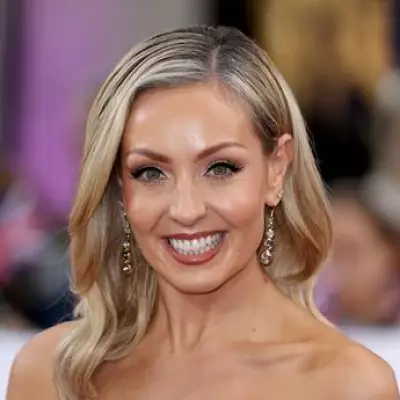
In a revealing social media video, a respected UK veterinary surgeon has identified five popular cat breeds he would personally never own due to significant health and welfare concerns. Dr Ben Simpson-Vernon, known online as 'Ben The Vet', shared his professional perspective based on extensive clinical experience treating feline patients.
Professional Background and Ethical Stance
Ben Simpson-Vernon, MA VetMB MRCVS, qualified from Cambridge Vet School in 2015 and has built a substantial following of over 200,000 on social media platforms. He frequently collaborates with animal charities including Cats Protection to educate pet owners. Before presenting his list, the vet clarified that his opinions were not intended to judge current owners but rather to inform potential buyers about health realities.
"This video is just to share my opinion as someone who sees a lot of cats and their health problems," he explained to viewers. "Truly rescuing one of these cats if you have the means to care for them is different to buying a kitten."

The Five Problematic Breeds
1. Sphynx Cats
Despite acknowledging their engaging personalities, Dr Simpson-Vernon expressed serious reservations about Sphynx cats. "They either have no whiskers or these stubby, little, fairly useless ones," he noted, explaining that whiskers are crucial for feline navigation, communication, and environmental sensing.
He highlighted additional concerns: "No cat should have to wear clothes to avoid being cold. And they have a really high rate of heart disease because of their genetics, and a very low life expectancy of just six and a half years on average."
2. Munchkin Cats
The veterinary surgeon made an ethical appeal regarding Munchkin cats, which are deliberately bred for dwarfism. "Please, let's not let it become socially acceptable to deliberately breed cats with dwarfism," he urged.
"Pets should not just be the object of amusement. They're a living, breathing animal that has the ability to sense pain and their own needs. Let's not make life hard for them by giving them short limbs, which makes it hard for them to jump and means they suffer from arthritis at a young age."
3. Scottish Fold Cats
Dr Simpson-Vernon warned that Scottish Fold cats suffer from a genetic disorder called osteochondrodysplasia, which creates their distinctive folded ears but also causes defective joint cartilage throughout their bodies.
"If you just Google Scottish fold cat, practically the first thing that comes up are articles talking about the fact they all have the same genetic disorder," he observed. "Scottish Fold cats now make up 2% of all new cats. So people either are doing no research or are seeing this information but choosing to ignore it. Either way, it's quite sad."
4. Savannah Cats
The vet expressed particular concern about Savannah cats, hybrids between domestic cats and wild servals. "I've seen a few Savannah cats in practice, and I was 'quite scared' of them," he admitted.
"They're much bigger and stronger than a domestic cat, and they retain a lot more of their wild instincts. So they're hard to cater for in a home environment. I would say near impossible. I just think if you're going to buy a status symbol, choose an inanimate object, and if you prefer wild animals to domestic ones, give it to a conservation charity."
5. Peke-Faced Persian Cats
Finally, Dr Simpson-Vernon addressed extreme brachycephalic (flat-faced) Persian cats. "I feel really sad for these cats," he said. "They can't groom themselves properly, so they get really matted, and they get a lot of health problems."
He detailed multiple medical issues: "It's obviously harder for them to breathe when they have tiny nostrils, but they get chronic upper respiratory infections really commonly, eye issues, dental problems, hydrocephalus, which is a buildup of fluid in their brain, which is related to their abnormal skull shape. If you want a happy, healthy companion, buying a kitten that looks like this is not a good choice."

Broader Implications for Pet Ownership
The veterinary surgeon's comments highlight growing concerns within the profession about breeding practices that prioritize appearance over animal welfare. His analysis suggests potential owners should carefully research breed-specific health issues before acquiring pets, particularly when considering breeds with known genetic predispositions to serious medical conditions.
Dr Simpson-Vernon emphasized that his perspective comes from witnessing the consequences of these health problems in clinical practice, where he treats cats suffering from conditions directly related to their breeding. His message underscores the importance of ethical considerations in pet acquisition and breeding practices.