Vet Fee Cap Falls Short: Calls Grow for National Pet Healthcare System
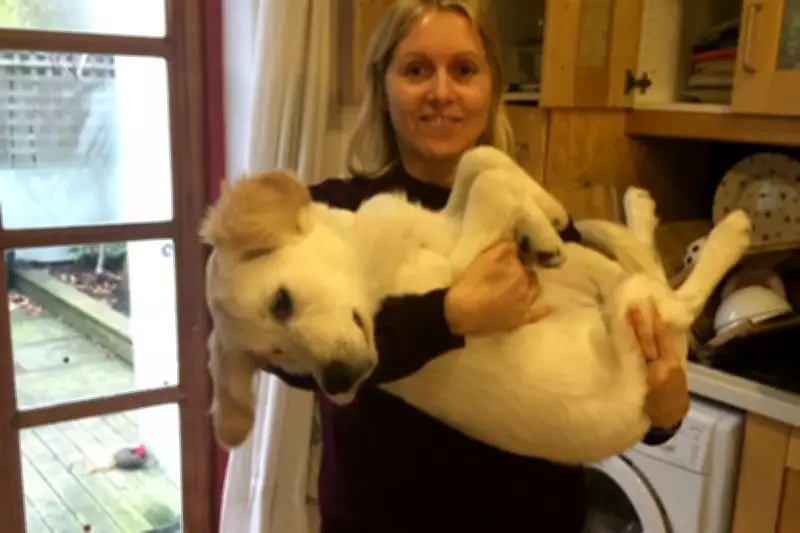
The government has introduced legislation to cap veterinary prescription fees and improve pricing clarity, but for many pet owners, including Charlotte Cripps with her ailing golden retriever, this is merely a first step. What Britain's animal lovers truly desire is a national pet care system that is free at the point of use, akin to the NHS for humans.
The Rising Cost of Pet Care
For those who have never owned a pet, the profound companionship and joy they bring—and the heart-wrenching grief when they pass—are often underestimated. Equally shocking are the vet bills that can leave owners speechless. Routine check-ups at local clinics like Chucklepups come with a financial health warning for owners, as there is no standardised price list in veterinary surgery.
Industry regulations, largely unchanged since the 1960s, mean walk-in practices are not required to advertise procedure costs, not even rough estimates. Distressed owners with a sick puppy are left with vague answers like, "How long is a piece of string?" Over the past two years, vet fees have surged twice as fast as inflation, according to the Competition and Markets Authority (CMA).

With nearly two-thirds of UK vets now operated by just six major corporate companies, market consolidation has exacerbated the lack of transparency, creating a Wild West atmosphere in pet healthcare.
Government Reforms and Their Limitations
In response, the government has finally acknowledged the plight of pet owners. This week, the CMA confirmed final plans for vet pricing reforms set to take effect later this year. Key measures include:
- Requiring veterinary practices to publish clear price lists to prevent "unexpected costs."
- Capping prescriptions at £21 for the first medication and £12.50 for additional medicines.
- Mandating written estimates for surgeries costing over £500, including aftercare, with itemised bills (emergency treatments exempted).
- Making pricing and ownership information available through the Royal College of Veterinary Surgeons' "Find a Vet" service, shared with third-party comparison sites.
These reforms aim to end the secrecy around vet practice ownership and provide much-needed transparency. However, many argue they do not go far enough.
Pet Owners' Horror Stories
The issue was highlighted during an LBC phone-in, where tearful pet owners shared their experiences of being overcharged. One caller, who had cared for a feral cat, was quoted £360 for euthanasia but found another vet charging £200 less. Another owner of a Westie with a skin condition was told it had "the holiday rash," a term the vet joked paid for his vacations.
Others recounted being forced to pay upfront despite having pet insurance, a common practice. In one extreme case, a man was asked for half of an £8,000 bill while his dog was on the operating table, leaving him scrambling to borrow money from relatives.
Charlotte Cripps' own experiences with her golden retriever, Muggles, underscore the financial strain. When Muggles ate toxic grapes, a three-day hospitalisation left her trembling as she handed over her credit card. Later, a lump on his leg led to discussions of oncology, chemotherapy, and physio, prompting thoughts of remortgaging her home.
Despite paying £150 monthly for pet insurance, Muggles, now a senior dog, incurs a 20% excess on every vet visit. Cripps also discovered sharp practices in medication pricing: she paid over £100 for a bottle of Metacam at the vet, but later found she could get a prescription for £26.80 and buy it online for £16.98.
The Case for an 'NHS for Pets'
Cripps and other advocates argue that the government's reforms, while welcome, are insufficient. They propose an "NHS for pets"—a national insurance-style system where pet owners pay into a fund covering day-to-day healthcare and vet salaries, eliminating the need for costly private insurance.
With an estimated 60% of UK households (about 17 million) owning pets, and owners spending £6.3 billion on veterinary services in 2024, such a system could provide significant relief. Participants could carry an "NHS Pet" card, ensuring free treatment and peace of mind, ultimately improving care for millions of animals.

While the government's efforts to shed light on vet pricing and curb racketeering are commendable, many believe it is time to put vets on a tighter leash. The call for a comprehensive, free-at-point-of-use pet healthcare system grows louder as owners seek fairness and transparency in an industry long dominated by opaque practices.