VA Announces Controversial Guardianship Plan for Homeless Veterans
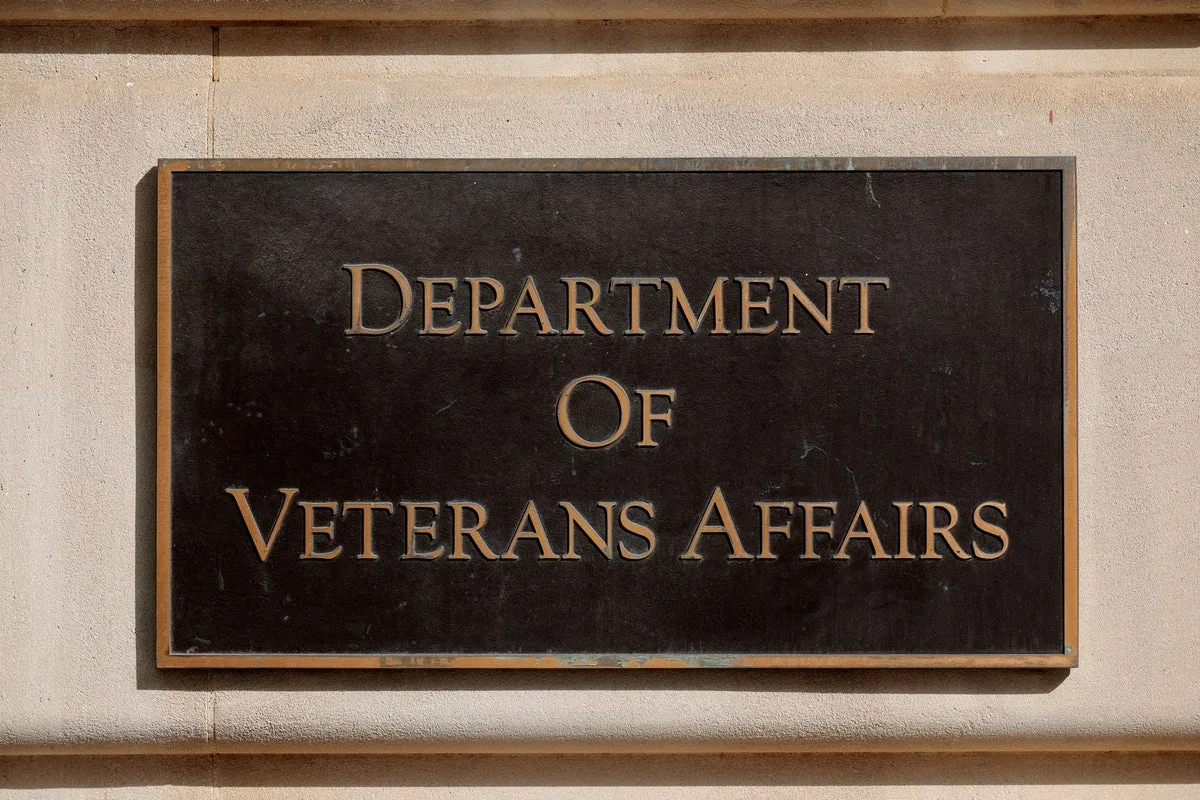
The Department of Veterans Affairs has unveiled a contentious new initiative that grants agency attorneys the legal authority to initiate guardianship proceedings for veterans experiencing homelessness. This move could potentially force thousands of vulnerable individuals into mental health care facilities against their will, sparking significant debate about civil liberties and appropriate care transitions.
Scale of Veteran Homelessness in the United States
According to the Department of Housing and Urban Development's 2024 Annual Homelessness Assessment Report, there are nearly 33,000 veterans currently experiencing homelessness across the nation. Of this staggering number, approximately 14,000 veterans are living without shelter on the streets, highlighting the urgent need for effective solutions to address this ongoing crisis.
Legal Framework and Implementation Details
The newly announced initiative provides the Department of Justice with authority to appoint VA lawyers as special assistant U.S. attorneys. This designation enables these legal professionals to initiate and actively participate in state court guardianship or conservatorship proceedings. According to official press releases issued on Wednesday, these proceedings are specifically designed for situations where vulnerable veterans require a legal decision-maker to facilitate their transition from intensive medical care to secondary care facilities.
The Trump administration has repeatedly emphasized in multiple statements that this initiative aims to help veterans "avoid unwarranted continued hospitalization, protect their rights, and promote appropriate transitions of care from VA hospitalization to other forms of VA care or care in the community, if appropriate."
Controversial Implications and Expert Concerns
However, these guardianship arrangements carry significant potential consequences. As reported by The New York Times, these proceedings could force homeless veterans into involuntary treatment programs for mental illness and substance abuse disorders without their consent.
Jennifer Mathis, the deputy director of the Bazelon Center for Mental Health Law, expressed serious reservations about the initiative's implementation. "My speculation is that they are seeking to have people placed under guardianship so they can have a person appointed who will force them into congregate or institutional settings when there isn't anything else available," Mathis told the NYT, highlighting concerns about institutionalization as a default solution.
Executive Order and Official Statements
This initiative follows an executive order issued by President Donald Trump in July that directed Attorney General Pam Bondi to encourage the expanded use of civil commitment procedures. Civil commitment occurs when a court mandates that an individual receive mental health treatment, regardless of their personal consent.
The executive order explicitly stated that "shifting homeless individuals into long-term institutional settings for humane treatment through the appropriate use of civil commitment will restore public order," indicating a broader policy approach to homelessness beyond just veteran populations.
VA Secretary Doug Collins defended the partnership in a statement released Wednesday, asserting that "the agency's collaboration with the DOJ reflects our ongoing commitment to ensuring that every Veteran receives timely, appropriate care, even in complex cases."
Attorney General Pam Bondi echoed this sentiment, stating that "the Department of Justice is proud to partner with the Department of Veterans Affairs to support our nation's brave Veterans by ensuring that they have the best legal resources available when it comes to making medical decisions and receiving timely care."
Unanswered Questions and Future Implications
The Independent has reached out to both the VA and DOJ for additional comment regarding implementation details and safeguards for veteran rights. As this initiative moves forward, questions remain about:
- How guardians will be selected and monitored
- What criteria will determine when guardianship is necessary
- What protections exist against potential abuse of the system
- How this approach aligns with broader efforts to provide housing-first solutions for homeless veterans
The announcement comes amid growing public awareness of veteran homelessness and increasing scrutiny of how government agencies address this persistent social issue. With nearly 33,000 veterans currently without stable housing, the debate over appropriate interventions continues to intensify, balancing concerns about public health, individual rights, and societal responsibility toward those who have served their country.




