US Flu Vaccine Effectiveness Plummets to Decade Low This Season
US Flu Vaccine Effectiveness Hits Decade Low This Season

US Flu Vaccine Effectiveness Plummets to Decade Low This Season

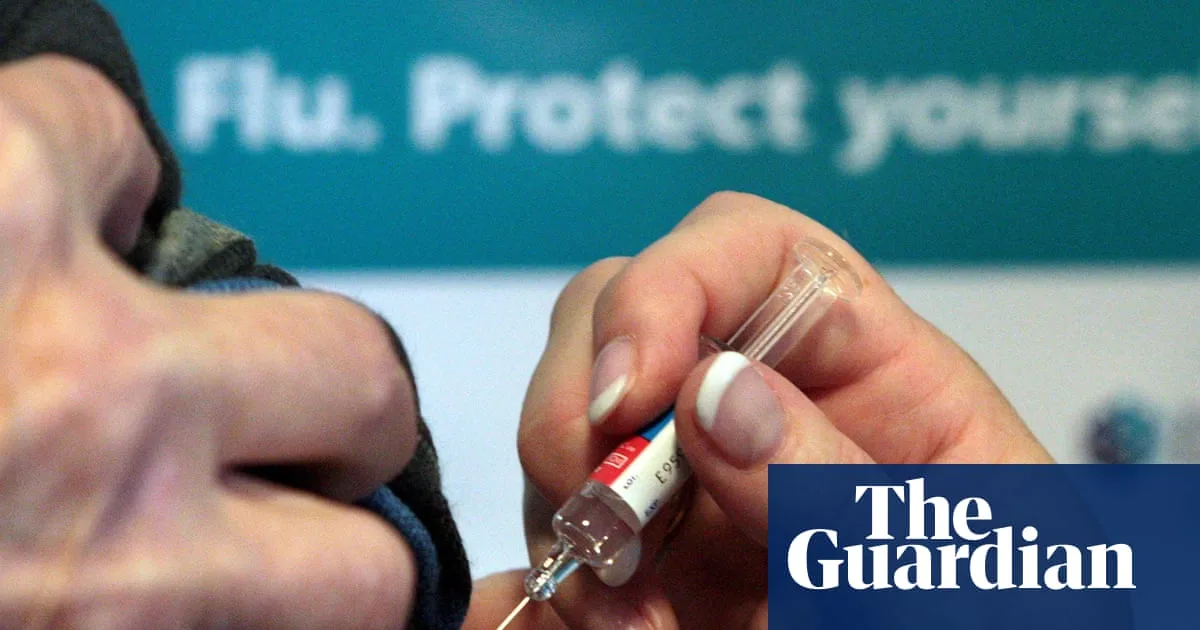
Health officials in the United States have reported that the flu vaccine demonstrated one of its poorest effectiveness rates in more than a decade during the recent season. According to data from the Centers for Disease Control and Prevention, the vaccine was only about 25% to 30% effective in preventing adults from becoming sick enough to require medical attention at a doctor's office, clinic, or hospital. For children, the vaccination provided approximately 40% protection against needing such treatment.

Severe Impact and Widespread Illness

Flu infections surged dramatically in late December, with certain regions of the country experiencing particularly intense outbreaks. New York City health authorities described it as the most severe flu season in two decades. CDC scientists estimate that this season has resulted in at least 27 million illnesses, 350,000 hospitalizations, and 22,000 deaths from influenza. Tragically, at least 101 children have died, with about 85% of those whose vaccination status is known not being fully vaccinated against the flu.

By comparison, at the same point last year, estimates indicated at least 40 million illnesses and 520,000 hospitalizations, although the number of deaths was roughly similar. The decline in flu activity has been gradual, with the number of states reporting high flu activity dropping to 16 recently, many located in a belt stretching from Colorado to Virginia.

Causes of Low Vaccine Effectiveness

The primary reason for the vaccine's poor performance was the emergence of a new flu strain that dominated the early winter period. This strain, belonging to the A H3N2 category and identified as subclade K, was not well matched to the vaccine developed for the season. Dr. William Schaffner, a vaccine expert at Vanderbilt University, explained that the vaccine was designed to address a different version of H3N2, making the rapid spread of subclade K a likely explanation for the reduced effectiveness.

While this new strain appeared to spread more easily, it did not necessarily cause more severe illness. However, relatively low flu vaccination rates also contributed to the challenging season. Officials typically consider a flu vaccine effective if it achieves 40% to 60% effectiveness, making this season's rates among the lowest in the past two decades based on historical CDC research.

Vaccination Rates and Public Health Recommendations

Despite the setbacks, vaccination remains a critical tool in combating the flu. Dr. Schaffner emphasized that while the flu vaccine may not protect everyone from getting sick, it can prevent severe illness and death, underscoring the continued value of receiving a flu shot. CDC data shows that adult vaccination rates have increased slightly this season to 46.5%, following an unusually severe previous season that set a record for child deaths this century.

For children, an estimated 48% were vaccinated against flu by the end of last month, which is similar to last year but down from 52% at the same point in 2024. Since 2010, the U.S. government has recommended annual flu vaccinations for all Americans aged 6 months and older. However, in January, the Trump administration revised this guidance, no longer broadly recommending flu shots for all children and instead leaving the decision to parents and family doctors.

Preparations for Future Seasons

Work is already underway to improve vaccine effectiveness for the next winter flu season. Last month, the World Health Organization announced its recommendations for the virus strains to target in the 2026-27 northern hemisphere flu vaccines, specifically advising that vaccines should be designed to handle the subclade K strain. This week, a U.S. Food and Drug Administration advisory committee endorsed these WHO recommendations, aiming to enhance protection in the coming year.

As the winter respiratory virus season slowly comes to a close, health experts express relief but caution that ongoing vigilance and improved vaccine matching are essential to mitigate future outbreaks.




