Grab-and-Go Culture Ousts Nutritious Meals in English Schools
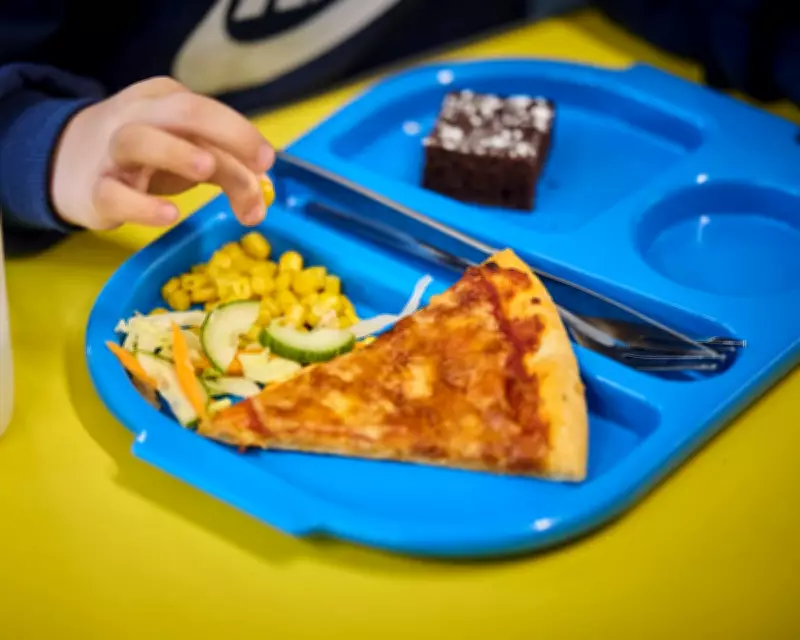
A new report supported by TV chef Jamie Oliver has uncovered a troubling trend in secondary schools across England, where pupils are routinely choosing less healthy grab-and-go foods such as pizza slices, sausage rolls, and paninis for lunch instead of sit-down meals. This shift towards convenience foods, often consumed on the move, is raising significant concerns about childhood obesity and its impact on students' ability to concentrate in class.
Convenience Over Nutrition: The Rise of Unhealthy Options
According to the charity Bite Back, which conducted the study, time and financial pressures are driving students to purchase foods that are easier to eat quickly but frequently lack nutritional value. The report highlights that items like chips, rolls, sugary drinks, cakes, and confectionery are becoming staples in school canteens, edging out more balanced main meals.
Key findings from the survey of 2,000 secondary school pupils include:

- 60% of pupils buy grab-and-go options at lunchtime at least once a week.
- 40% do so three to five times a week.
- 32% consume such items during morning breaks.
Bite Back noted that while grab-and-go foods can play a positive role in busy school schedules, they have become dominated by nutrient-poor, carbohydrate-heavy items that are cheaper than nutritionally balanced meals. This trend is undermining the government's pledge to foster the healthiest generation of children ever.
Enforcement Gaps and Systemic Issues
D'Arcy Williams, chief executive of Bite Back, pointed out that widespread breaches of school food standards are going unchecked due to a lack of clear enforcement responsibility. He emphasized that without proper monitoring, rules designed to protect children's health are being compromised by a system that prioritizes speed, convenience, and profitability.
Jamie Oliver, a long-time advocate for healthier school dinners, commented on the report, stating that what children eat at school profoundly affects their health, confidence, and learning abilities. He described the findings as a stark reminder that current practices are falling short of nutritional goals.
Potential Solutions and Government Response
In response to these concerns, ministers are considering reforms to improve school dinners, including an overhaul of food standards to reduce fat, salt, and sugar content. Advocacy groups like Bite Back, the Food Foundation, and the all-party parliamentary group on school food are calling for enhanced monitoring, potentially overseen by bodies such as Ofsted or the Food Standards Agency.
The Department for Education acknowledged the need for improvement, citing ongoing efforts to revise school food standards and expand free school meal eligibility. However, the persistence of long-term contracts with large food companies that supply unhealthy options remains a challenge, as highlighted by student activists like Shalom, who described the grab-and-go sections as overcrowded and filled with bland, repetitive choices.
This report underscores the urgent need for systemic changes to ensure that school environments support rather than hinder children's nutritional well-being and academic success.