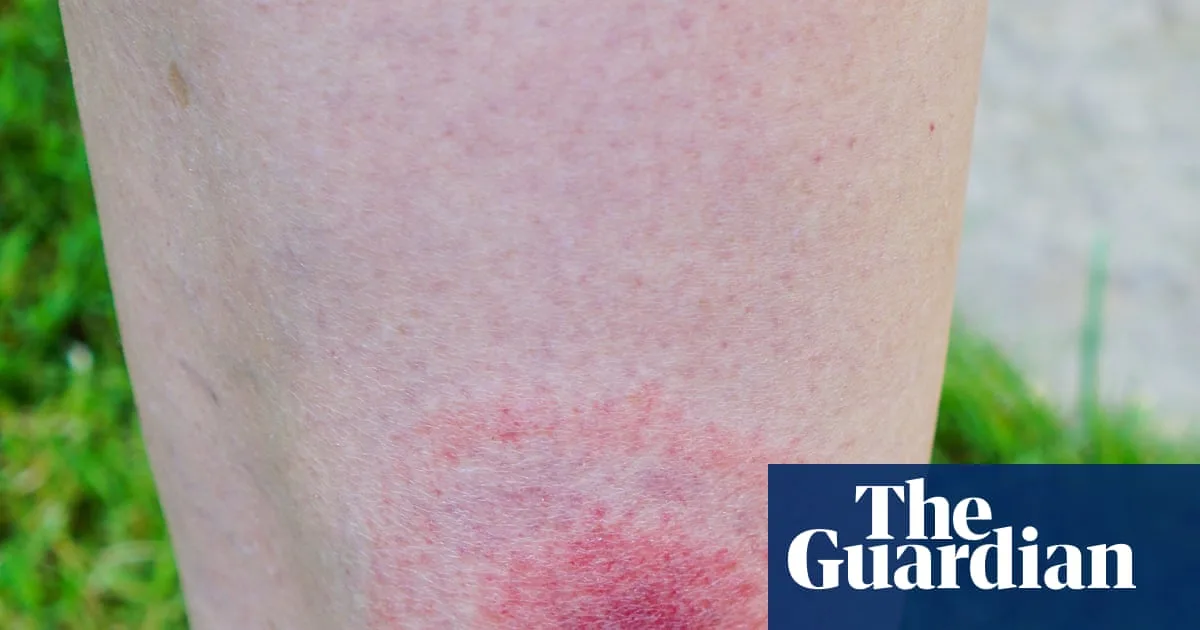
The UK Health Security Agency (UKHSA) has issued a critical public health warning following the confirmation of approximately 1,500 cases of Lyme disease each year in England and Wales. As millions of Britons venture outdoors to enjoy the spring sunshine, officials are urging walkers, cyclists, and families to remain vigilant against the hidden threat posed by ticks in grassy and wooded areas.
Understanding the Tick-Borne Threat
Ticks, tiny parasites that are active throughout the year but peak between April and July, can carry infections such as Lyme disease. While not all ticks are infected, and not every bite results in illness, the UKHSA emphasizes that awareness and precaution are essential. In addition to the 1,500 laboratory-confirmed cases annually, there are an estimated 1,000 to 2,000 further diagnoses based on clinical symptoms, highlighting the significance of this health concern.
Symptoms and Risks of Lyme Disease
Lyme disease is a bacterial infection transmitted through tick bites. One of the most recognizable signs is a distinctive 'bullseye' rash, which may appear between three and 30 days after a bite, though it does not develop in every instance. Other symptoms include fever, headaches, fatigue, nerve pain, and, in some cases, facial drooping. If left untreated, the infection can lead to more serious complications such as joint problems, nerve issues, and, rarely, heart-related symptoms.
Health officials stress that Lyme disease remains uncommon in the UK and can be effectively treated with antibiotics, particularly when detected early. However, vigilance is crucial to prevent long-term health issues.
Where Ticks Are Found
Ticks are commonly associated with areas where wildlife like deer and livestock are present, such as woodlands and grasslands. However, the UKHSA warns that the risk is not confined to remote countryside locations. Everyday activities, including walking dogs in urban parks or sitting on grass in gardens, can also expose individuals to these parasites.
Protective Measures Against Tick Bites
Experts recommend several simple steps to reduce the risk of tick bites:
- Stick to clear paths and avoid brushing against long grass.
- Wear clothing that covers exposed skin to minimize contact.
- Use insect repellent containing DEET for added protection.
- Conduct thorough checks of skin, clothing, and pets after spending time outdoors.
If a tick is found attached to the skin, it should be removed promptly using fine-tipped tweezers or a specialist tool, taking care not to crush it, which can increase the risk of infection.
When to Seek Medical Help
Individuals who develop symptoms such as a spreading rash, flu-like illness, or nerve problems within weeks of a possible tick bite are urged to contact their GP or NHS 111. Importantly, experts note that not everyone will remember being bitten, so monitoring for symptoms is key even without a clear recollection of exposure.
Rare but Serious Infections
In very rare cases, ticks in England have also been found to carry tick-borne encephalitis (TBE), a viral infection that can lead to severe neurological illnesses, including meningitis or brain inflammation. Symptoms range from mild flu-like illness to serious complications such as seizures, confusion, and loss of movement, necessitating urgent medical attention.
The UKHSA's updated guidance serves as a timely reminder for the public to enjoy the outdoors safely while being mindful of these potential health risks. By taking proactive measures, individuals can significantly reduce their chances of encountering tick-borne diseases and ensure a healthier spring season.