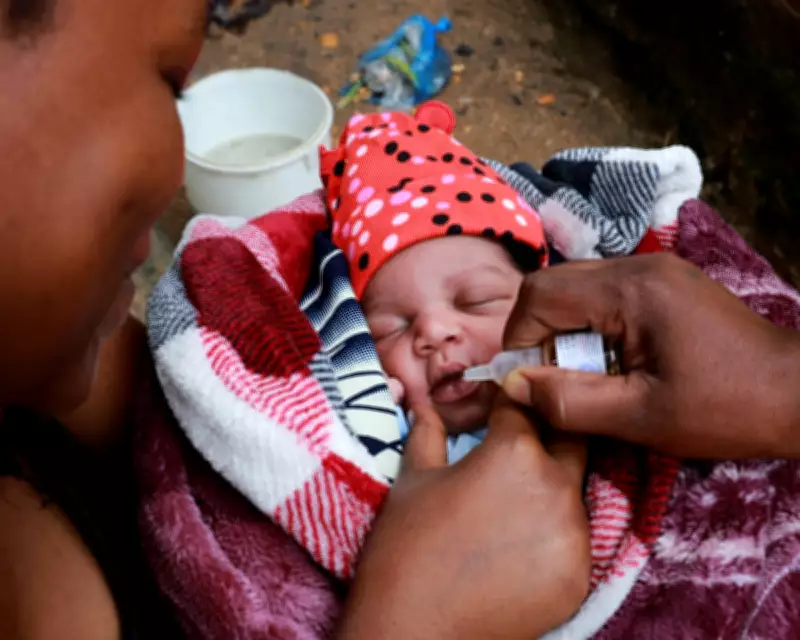
The image of a baby girl receiving a polio vaccine in Blantyre, Malawi, earlier this year serves as a poignant reminder of the ongoing battle against this debilitating disease. However, recent developments cast a shadow over these efforts, as the UK government has announced it will end its contributions to the Global Polio Eradication Initiative (GPEI) after 2026. This decision has sparked widespread concern among health advocates and organisations dedicated to eliminating polio worldwide.
Critical Stage in Eradication Campaign
Gillian Russell, a survivor of polio who contracted the disease in 1954, has voiced her dismay at the funding cuts. In a letter to the Guardian, she emphasised that the eradication of polio is at a critical juncture. Infection numbers in Pakistan and Afghanistan, the last two endemic countries, are currently very low, but this achievement is the result of immense efforts on the ground. For instance, a recent vaccination drive in Pakistan successfully inoculated 45 million children, showcasing the scale of commitment required to combat the virus.
Personal Impact and Humanitarian Work
Russell's personal experience underscores the lifelong consequences of polio, which mainly affects young children. Having lost the use of her left arm and undergone multiple surgeries on her leg, she considers herself one of the lucky ones, highlighting the severe impact of the disease. Her involvement with Rotary International, a key partner of GPEI, has allowed her to witness firsthand the dedication of local health workers during vaccination days in India. This grassroots effort is vital to ensuring all children receive the vaccine, but it relies heavily on sustained funding.

Funding Cuts Threaten Decades of Progress
The UK's decision to withdraw funding from GPEI after 2026 risks undoing over 40 years of progress in improving children's health globally. Polio eradication has been a cornerstone of humanitarian work, with initiatives like those led by Rotary International playing a crucial role. The detection of the polio virus in London just days before ministers announced the funding cuts adds urgency to the situation, suggesting that even developed regions are not immune to the threat.
Call for Adequate Resources
Experts argue that eliminating polio requires consistent and adequate financial support. The GPEI has been instrumental in coordinating vaccination campaigns and research, but without continued contributions from governments like the UK, these efforts could falter. Russell and other advocates stress that the work to eradicate this dreadful disease must not be compromised, especially as the world edges closer to total elimination.
In summary, the UK government's move to cut polio eradication funding poses a significant risk to global health initiatives. As the campaign reaches a pivotal stage, sustained investment is essential to protect the gains made and ensure a polio-free future for children everywhere.