
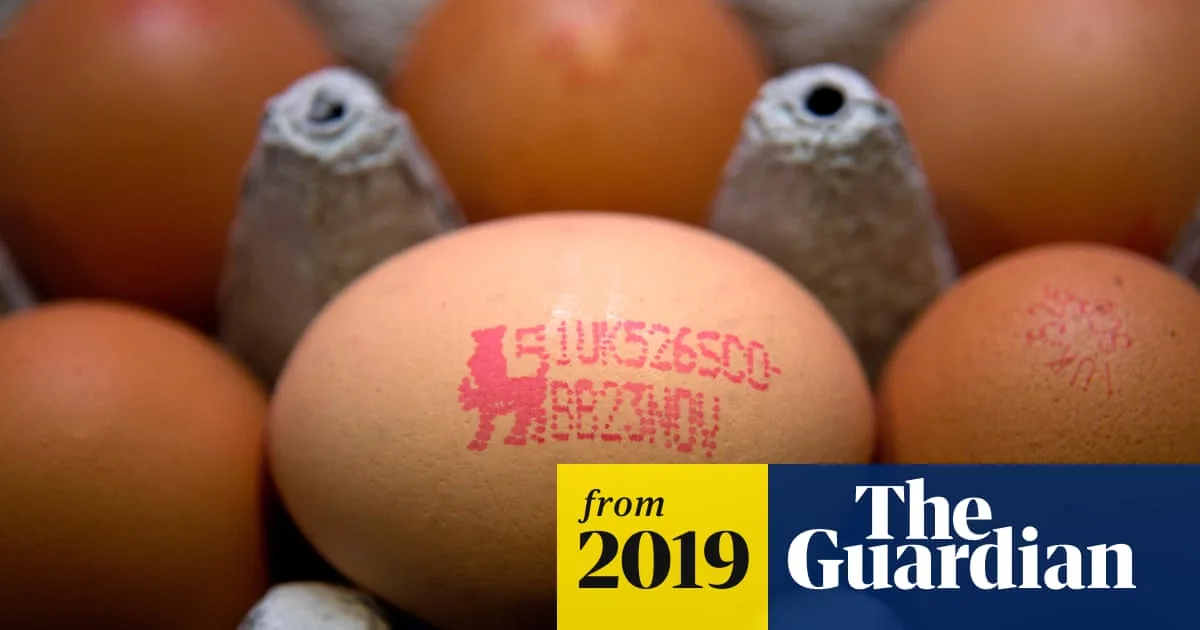
At least 45 people have fallen ill since January this year after consuming British eggs contaminated with salmonella, according to an investigation by the Bureau of Investigative Journalism and the Guardian. The outbreak comes despite government assurances in 2017 that the risk of salmonella in eggs was virtually eliminated.
Public Health England (PHE) confirmed the cases, though no deaths have been reported. Internal records show that 25 egg-laying poultry flocks in the UK tested positive for salmonella in 2019, with seven carrying dangerous strains. Two egg-packing factories, one supplying major supermarkets, were also contaminated.
Infected flocks were placed under restrictions, preventing sale to the public, and birds were culled. However, some contaminated eggs reached consumers through unclear routes. In 2018, 28 flocks tested positive, with four containing dangerous strains. PHE is also linking 55 earlier human cases to the same outbreak.
The revelations contradict the Food Standards Agency's (FSA) 2017 decision to lift warnings against vulnerable groups consuming raw or lightly cooked eggs. FSA chair Heather Hancock then stated: “The risk of salmonella is now so low you needn’t worry.” PHE has been investigating this salmonella strain for three years.
Three farms supplying Kent-based Fridays Ltd were among those contaminated, and the company’s egg-packing station also tested positive. Fridays, which produces 10 million eggs weekly, said it removed the farms from its supply chain and disinfected the factory, adding that salmonella occurs naturally but can be minimised through testing and vaccination.
The outbreak highlights food safety concerns amid Brexit negotiations, where a potential hard border in Ireland could impact animal product trade.




