

Trump Administration Revises Vaccine Panel Rules Amid Kennedy-Led Skepticism
The Trump administration has implemented updated rules for a crucial federal vaccine advisory committee, a move that critics warn could elevate the influence of anti-vaccine activists. This development represents the latest in a series of actions that opponents claim are eroding trust in essential immunizations.
Legal and Policy Context of the Changes
The revisions to the charter of the Advisory Committee on Immunization Practices (ACIP) were published on Thursday, following a recent legal setback that has temporarily suspended the committee's meetings. For decades, ACIP has provided recommendations on the optimal use of vaccines across the nation, guiding state school requirements and insurance coverage decisions.
Health Secretary Robert F. Kennedy Jr., a longstanding vaccine skeptic, dismissed all previous members of the committee upon assuming office and appointed his own selections. The reconstituted panel subsequently declined to endorse COVID-19 vaccines for high-risk groups and voted to discontinue most newborn hepatitis B shot recommendations. Additionally, under Kennedy's leadership, the administration reduced the childhood vaccine schedule.

These measures prompted lawsuits from the American Academy of Pediatrics and other health organizations, with a federal judge ruling against the administration last month. While the administration has signaled intentions to appeal, no formal appeal has been lodged yet.
Specific Alterations to the Advisory Committee Charter
The new charter expands the qualifications for panel members, potentially facilitating the inclusion of Kennedy allies. Although ACIP has historically emphasized vaccine safety, the updated charter incorporates language reminiscent of vaccine critics, focusing on potential harms. This includes studying "gaps in vaccine safety research" and considering the "cumulative effects" of vaccinations, topics generally regarded as settled science.
Furthermore, the revised charter mandates that the panel examine vaccination schedules from other countries, a departure from previous practices. Richard H. Hughes IV, an attorney representing the AAP, criticized the changes, stating they reflect "a continued effort to do more of the same things to undermine ACIP, undermine vaccine policy, and public confidence."
Administration Response and Broader Implications
Health and Human Services spokesman Andrew Nixon asserted that "the ACIP charter renewal and its publication are routine statutory requirements and do not signal any broader policy shift." However, the timing of the renewal coincided with ongoing lawsuit proceedings, though Hughes noted it does not resolve the legal challenge.
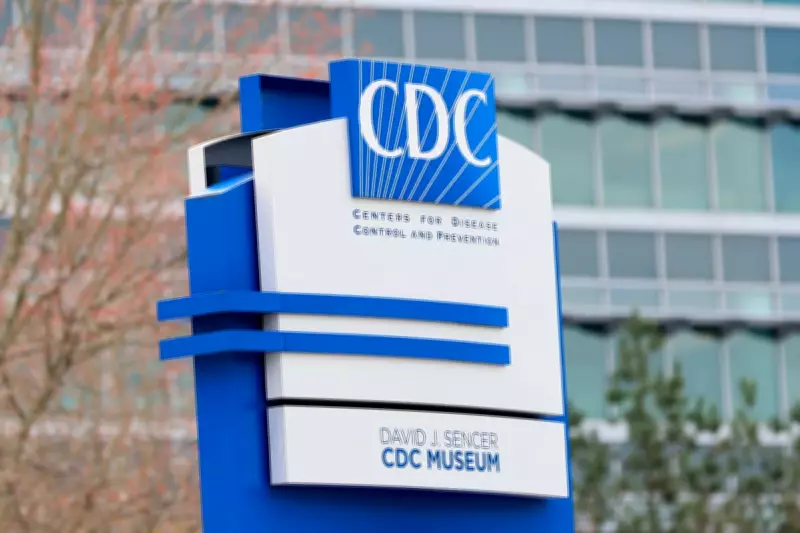
The ACIP advises the Centers for Disease Control and Prevention, which typically adopts its recommendations. These guidelines have long influenced state-level vaccine mandates for schools and insurance coverage determinations. The charter, which governs the committee's operations, is routinely renewed every two years with minimal attention, making these substantive changes particularly notable.
This situation underscores the ongoing tension between public health authorities and vaccine skepticism within the current administration, raising concerns about the future of immunization policies and public health outcomes in the United States.






