
A potentially deadly disease linked to unlicensed botulinum toxin injections has prompted warnings from health officials, with 38 cases of botulism recorded by the UK Health Security Agency (UKHSA). The outbreak has left patients with severe symptoms, including difficulty swallowing, breathing problems, and blurred vision.
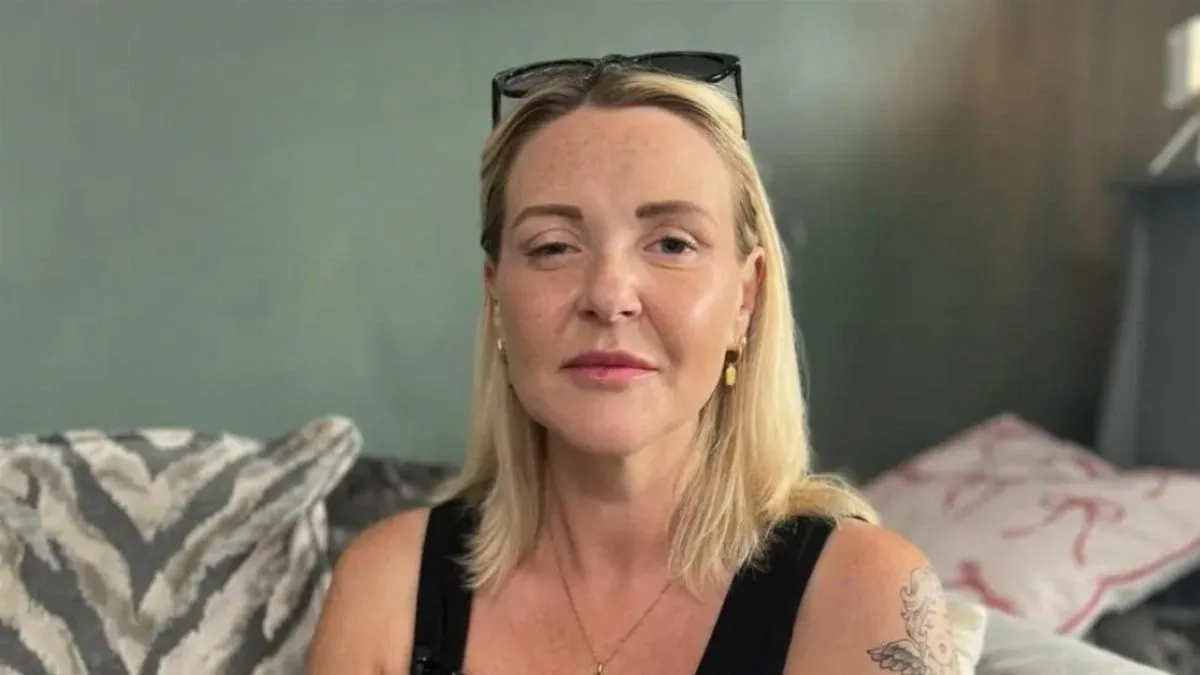
One victim, Nicola Fairley, was admitted to A&E just days after receiving counterfeit botulinum toxin from her regular beautician at home. She described meeting other patients with similar symptoms, one of whom required resuscitation. 'We all had problems with our eyes, some of us with our breathing. I couldn't swallow – they put me on nil by mouth because they were worried I would choke in the waiting room,' she said. The hospital had run out of anti-toxin due to treating other patients, and her beautician has since ceased all contact.
Another patient, Kaylie Bailey, experienced double vision while driving her son to school. She feared she was going blind and later discovered she had been injected with a product called Toxpia, available for £92 per two vials – significantly cheaper than genuine Botox. Doctors initially attributed her symptoms to the injection entering a muscle, but she was eventually diagnosed with botulism.
Medics have long warned of an outbreak due to poor regulation of the £3 billion private cosmetic injection industry. A survey by ITV's This Morning found that half of respondents had sought medical help after cosmetic treatments, with 15 per cent ending up in hospital. Dr Zoe Williams noted that a botulism case is something an average medic might see only once in a career, while Dr Steven Land described the Botox industry as 'the wild west', adding that injectors could use illegal and potentially lethal substances, including rat poison.
There are currently no mandatory training requirements for practitioners in the UK. The previous Conservative government had proposed a licensing system for non-surgical cosmetic procedures, which would have required practitioners to obtain permits, but the scheme has not been implemented.




