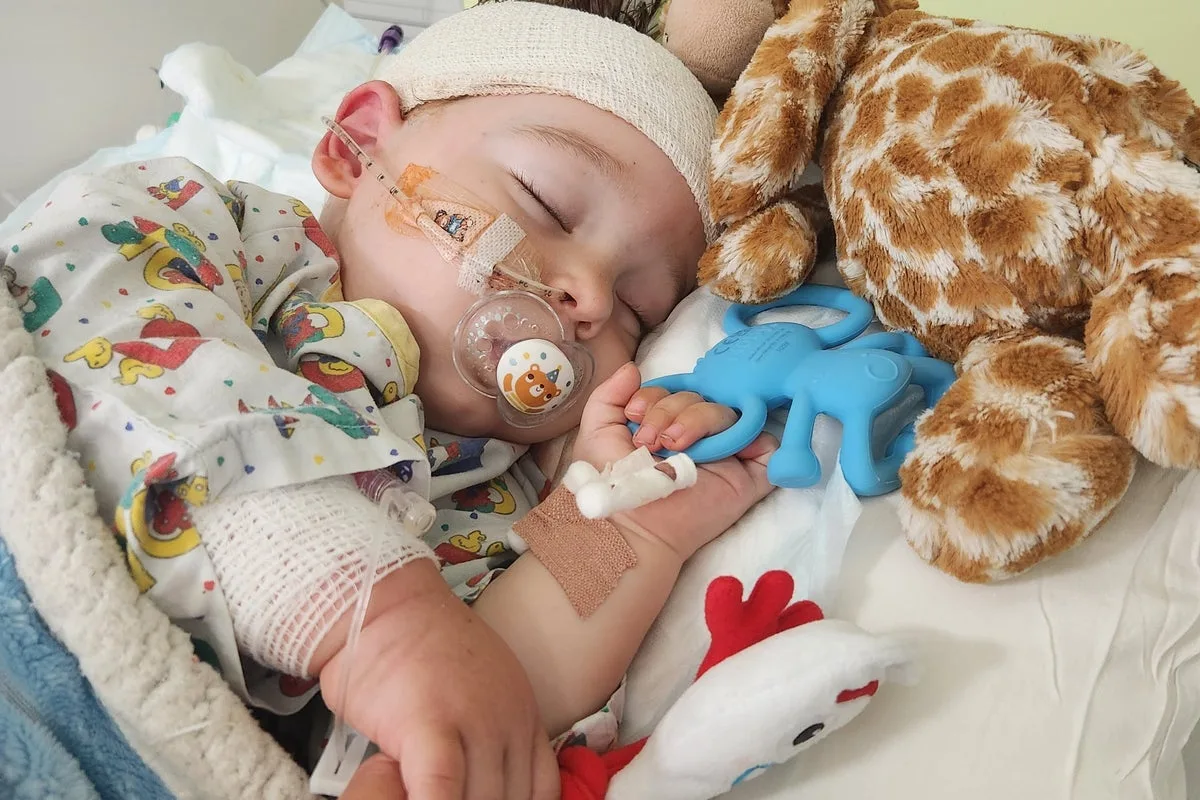
An Essex mother has shared the harrowing story of how three separate GP appointments misdiagnosed her young son's rare brain tumour as simple infections, delaying critical treatment. Emily Cable, 30, a former retail worker, said her son Frank first showed signs of fatigue and irritability in April 2024 when he was just one year old.
Initial Symptoms and Misdiagnoses
Within two weeks, Frank's condition progressed to breathlessness, prompting a visit to a private GP who diagnosed a chest infection and prescribed a five-day course of antibiotics. However, his health deteriorated rapidly, with vomiting and extreme lethargy setting in shortly after.
Emily's husband, Josh, took Frank to their local GP on two more occasions, where medical professionals believed it was a viral infection. Less than 24 hours after the third appointment, Frank suffered a massive seizure in his mother's arms, completely unexpectedly, leading to an emergency rush to Broomfield Hospital in Chelmsford.
Emergency Hospitalisation and Diagnosis
At the hospital, a CT scan and X-ray revealed a large tumour at the back of Frank's head, along with significant fluid build-up. Emily recalled the moment they received the devastating news on May 23, 2024, when Frank was 15 months old. She described how Frank was in a critical condition, requiring an induced coma to prevent stroke or further seizures due to the fluid accumulation.
An intensive care ambulance team transferred him to Great Ormond Street Hospital (GOSH) in London for immediate life-saving surgery. Emily expressed the terror of seeing her son handed over to a specialised team with extensive equipment, marking a sudden and life-altering change for the family.
Surgical Interventions and Recovery
After a successful initial surgery, Frank underwent an 11-hour procedure less than a week later to remove the brain tumour. Emily remembered the emotional goodbye before he was put under general anaesthetic, while waiting anxiously with updates limited to bad news. The surgery was successful, with surgeons managing to eliminate the entire tumour without causing permanent damage, a feat Emily described as incredible.
Post-surgery, Frank was swollen, bruised, and unable to move his head. Tests confirmed the tumour was cancerous, specifically a rare ependymoma, with symptoms including headaches, sickness, coordination issues, and seizures, as noted by cancer charity Macmillan.
Treatment and Ongoing Care
In June 2024, Frank began a six-week course of proton beam therapy at University College London Hospital (UCLH), a highly targeted radiotherapy. The daily treatments, with only weekends off, left him exhausted, leading to sleep and eating difficulties, necessitating a feeding tube and reducing his energy for play.
Emily praised the support from hospital staff, including Broomfield Hospital for their communication and GOSH for their dedicated play team, who tailored toys to aid Frank's recovery and build trust. By the end of 2024, Frank finished radiotherapy and entered remission, a moment Emily celebrated with tears of joy among friends and school mums.
Long-Term Impact and Family Resilience
Frank's development was impacted, with him only starting to talk and walk from November 2025 onwards, using a walking frame. Today, he continues to spend considerable time in hospital and will require regular scans over the next decade. Emily emphasised the ongoing worry but highlighted special moments like Frank walking or saying his sisters' names as wins in their journey.
The family is now supporting GOSH Charity's initiative with sculptures made from replica chemotherapy wires at Queen Elizabeth Olympic Park, aiming to raise funds for a new Children's Cancer Centre. Emily's story underscores the challenges of rare cancer diagnoses and the importance of timely medical intervention.




