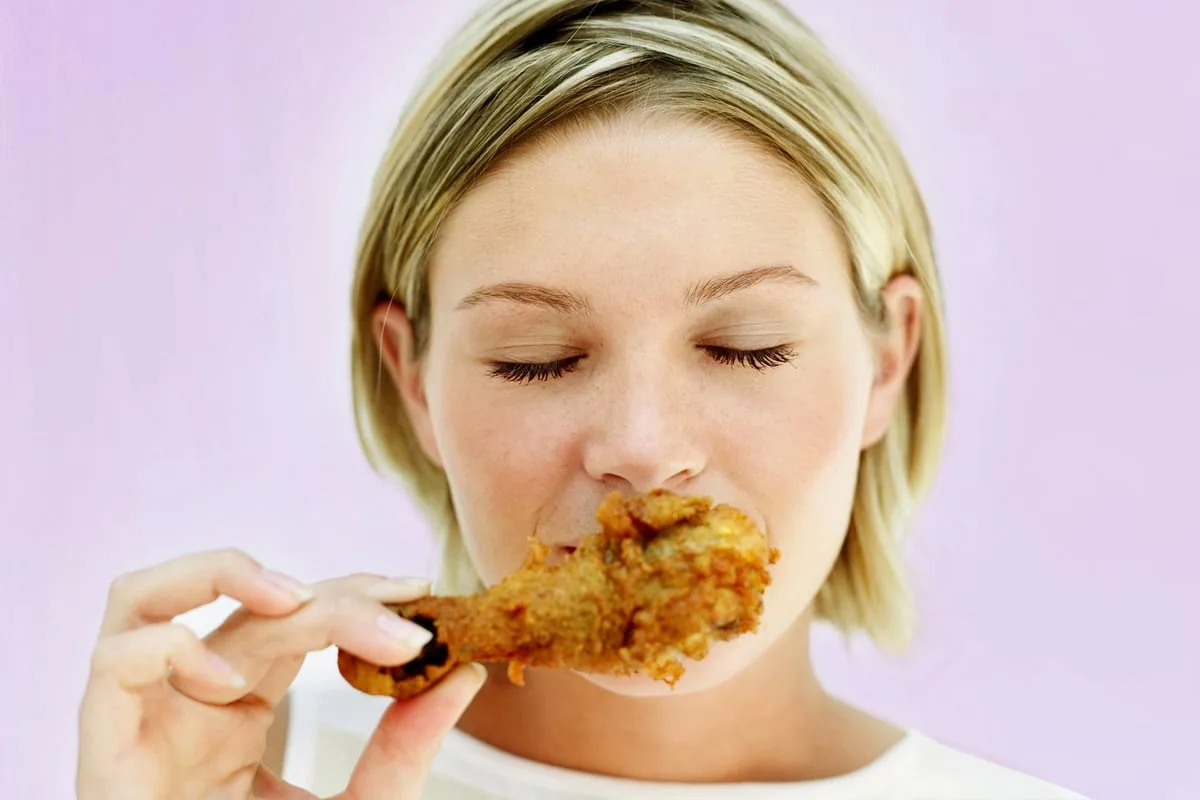
The 'Chicken Ick': Why You Suddenly Can't Stand Your Favourite Dish

The 'Chicken Ick': Why You Suddenly Can't Stand Your Favourite Dish

Have you ever been mid-bite into a succulent piece of chicken, only to feel an overwhelming sense of disgust, despite previously loving it? This peculiar experience, known as the "chicken ick," has taken social media by storm, particularly on TikTok, where users share their sudden aversion to poultry. But is this just an online trend, or is there genuine science behind it?

What Is the Chicken Ick?

The term "chicken ick" refers to a sudden and intense feeling of disgust towards chicken, often occurring without warning. While chickens themselves have been around for millennia, this specific phenomenon is relatively new, gaining traction through viral social media posts. It describes a scenario where individuals, who typically enjoy chicken dishes like southern fried drumsticks or peri-peri wings, find the taste, smell, or appearance repulsive in a moment.

The Science Behind the Disgust

According to Dr Lorenzo Stafford, an associate professor in psychobiological psychology at the University of Portsmouth, the chicken ick is rooted in our psychological responses. In an article for The Conversation, he explains that our senses—primarily smell and taste—play a crucial role in shaping our behaviour towards food. When chicken tastes, smells, or looks different from what we expect, it can trigger a disgust response. This mismatch between anticipation and reality leads to a negative emotional reaction, making the food seem unappealing.

Wide Pickt banner — collaborative shopping lists app for Telegram, phone mockup with grocery list

Additionally, Dr Stafford highlights the concept of emotional contagion, where seeing someone else express disgust at a dish can influence our own feelings. For instance, if a dining companion grimaces at their chicken meal, you might start to feel uneasy about yours too. This social aspect amplifies the ick, making it a shared experience rather than an isolated incident.

Factors That Trigger the Ick

The chicken ick can be provoked by various factors beyond just sensory changes. Dr Stafford notes that pre-meal activities, such as scrolling through social media and viewing unappetising food content, can set the stage for disgust. If you encounter images of poorly presented meals before cooking your own chicken, it might colour your perception, leading to the ick when you finally eat. This modern twist connects digital habits with real-world eating experiences, creating a cycle where people post their ick moments online, further spreading the phenomenon.

While the term focuses on chicken, Dr Stafford clarifies that this disgust response could apply to any food. However, chicken has become the poster child on platforms like TikTok, possibly because the word "ick" is embedded in its name, adding a playful linguistic element. Other foods, like pickled eggs, might also elicit similar reactions, but chicken dominates the conversation due to its popularity and versatility in meals.

How to Overcome the Chicken Ick

If you find yourself afflicted by the chicken ick, there are practical steps to mitigate it. Dr Stafford suggests trying a different chicken recipe to help "unlearn" the disgust response. By altering the preparation method or flavours, you can create a new, positive association with the food. Alternatively, having someone else cook the chicken for you—whether it's a friend, family member, or a restaurant like KFC—can reduce the personal involvement that might trigger the ick.

In summary, the chicken ick is more than just a viral meme; it's a real psychological occurrence driven by sensory mismatches, social influences, and modern digital behaviours. As we navigate a world where food and social media intertwine, understanding these responses can help us enjoy our meals without unexpected disgust.

Pickt after-article banner — collaborative shopping lists app with family illustration




