
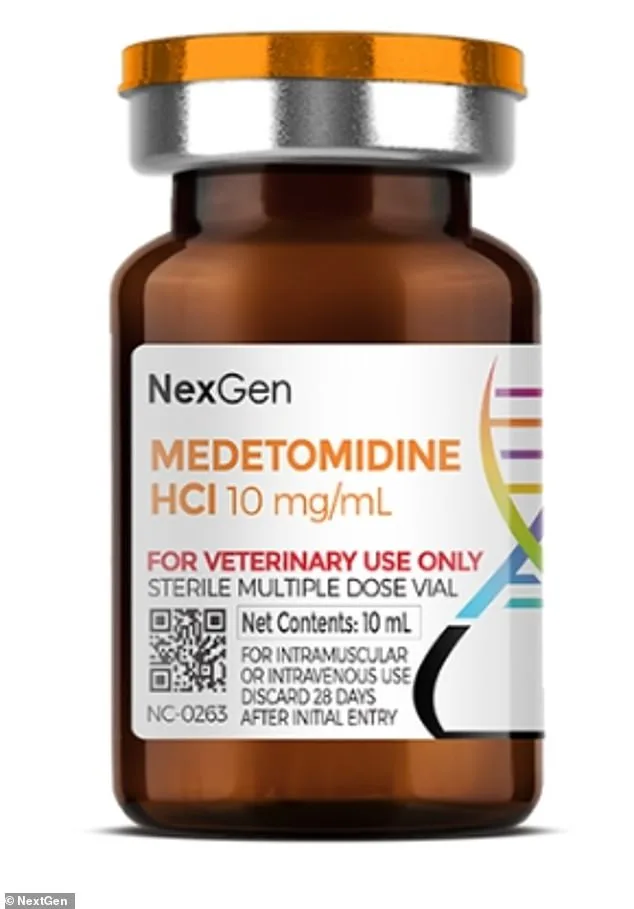
UK universities, including the University of Manchester, have issued urgent warnings after the animal tranquiliser medetomidine, which is around 200 times more potent than xylazine, was found in samples of ketamine. Medetomidine, used only as a veterinary sedative for dogs and cats, has been linked to a rising number of drug overdoses in the US and is now appearing in British street drugs.
The warning, issued via the Manchester-based drug testing facility Mandrake, stated that multiple samples of ketamine had been confirmed to be contaminated with medetomidine. When combined with ketamine, it can cause extreme and prolonged sedation that may be fatal, leaving users extremely vulnerable to sexual assault or robbery.
Professor Paul Chazot of the University of Durham described the emergence of medetomidine as a worrying development. He noted that while the drug may boost euphoric effects, it is even more potent and longer-lasting than xylazine. If US trends are any indication, the UK may face similar challenges soon.
Medetomidine has been identified in samples containing fentanyl, heroin, and cocaine in the US, and doctors believe it has made its way into three-quarters of the illicit drug supply there. Animal studies show it can lower blood pressure and slow heart rate, potentially leading to heart failure or sudden death at high doses. Unlike opioids, medetomidine does not respond to naloxone, though officials still advise using it if an opioid overdose is suspected.
The US Food and Drug Administration has noted that the drug atipamezole can reverse medetomidine's effects, but it has only been tested in dogs and is not approved for human use. The warnings come amid rising ketamine use among young people in the UK, with the drug linked to several student deaths in recent years.




