

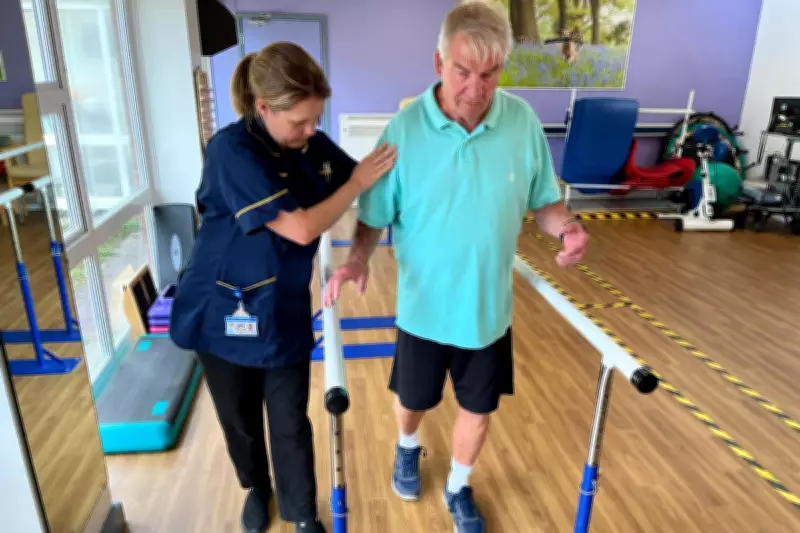
Stroke Patients 'Failed Every Day' Due to Critical Rehabilitation Gaps
A stark national survey of stroke physiotherapists across the United Kingdom has uncovered severe workforce shortages that are compromising stroke care and rehabilitation services. Experts are warning that stroke victims are being "failed every day" because of these gaps in essential rehabilitation care, directly caused by a lack of qualified staff.
National Guidelines Ignored as Therapy Hours Fall Short
According to the Chartered Society of Physiotherapy (CSP) and the Association of Chartered Physiotherapists in Neurology (ACPIN), patients' chances of recovery are being "limited" due to a critical shortage of physiotherapists and other vital support staff. National clinical guidelines clearly state that individuals who have suffered a stroke should receive therapy-based rehabilitation for a minimum of three hours per day, five days each week.
However, the collected data suggests a deeply troubling reality. On average, stroke patients receive rehabilitation on only three to four days per week while in hospital. Once discharged and receiving support at home, this drops to a mere one to two days weekly. This represents less than half the recommended therapeutic input, severely hampering recovery outcomes.

Survey Exposes Widespread Workforce Deficits
The 2025 Stroke Physiotherapy Workforce Survey, which gathered responses from professionals working across 159 NHS services, identified significant staffing shortfalls in multiple key areas of stroke care. These deficits span community stroke services, acute stroke teams, and community rehabilitation support.
The findings present a quantified picture of the crisis:
- Community stroke services are operating with 26% fewer physiotherapists than national guidance recommends.
- Acute stroke teams are functioning with 15% fewer physiotherapists than the recommended levels.
- Community rehabilitation support workers are 36% below the guidance levels, creating a massive gap in ongoing care.
Leadership Voices Sound the Alarm
Ash James, Director of Practice and Development at the CSP, expressed grave concern. "This data shows that despite record numbers of registered physiotherapists, stroke services in hospitals and the community are unable to deliver the care patients need because they are chronically understaffed," James stated.
"Something is going seriously wrong in our health system if the NHS is failing to turn workforce growth into the posts required to meet even the minimum standards for stroke rehabilitation," he added, highlighting a systemic failure in workforce planning.
Adine Adonis, Chairwoman of ACPIN, emphasised the human cost. "More people are surviving strokes in the UK than ever before, but survival must be matched with the chance to recover well. These findings highlight a stark and urgent gap in the number of physiotherapists and support staff available to provide the specialist rehabilitation that stroke survivors rely on. This is not good enough. It is failing people every day and limiting their potential for recovery."
A Patient's Story: Recovery Against the Odds
The human impact of these systemic failures is illustrated by the experience of David Stadelman from Bournemouth. After suffering a life-threatening stroke, heart failure, and undergoing major surgery, the 73-year-old was left unable to sit up, walk, or perform basic daily tasks.
"I couldn't sit up in bed, brush my teeth or wash myself. I was completely dependent on others," Mr. Stadelman recalled. After a four-month hospital stay, he was discharged to a care home where he began four months of intensive physiotherapy.
"The physiotherapists were absolutely brilliant. They worked with me four times a week and helped me relearn everything, from taking my first steps, to walking up the stairs so I could eventually go home," he said. "They didn't just treat me, they gave me hope."

Upon returning home, Mr. Stadelman turned to a local charity-run rehabilitation group for continued support, which he credits with helping him regain significant independence. "If I hadn't found that support, I don't think I'd be doing half of what I can now. I'm walking miles, I'm driving again, I'm getting back to living my life. But that shouldn't depend on whether you can find or afford something outside the NHS."
Calls for Immediate Investment and Action
Juliet Bouverie, Chief Executive of the Stroke Association, underscored the scale of the challenge. "Every day in the UK, around 240 people have their lives potentially destroyed by stroke. Stroke survivors are at risk of being unable to see, speak, move or even swallow, which has a huge impact on their ability to enjoy a full and independent way of life."
She stressed that while early and bespoke rehabilitation can vastly improve physical outcomes and emotional wellbeing, "progress to improve the availability and intensity of rehabilitation is far too slow."
"Much greater investment in both people and processes to meet the national guidelines of care are desperately needed to ensure stroke survivors are supported both in hospital and the community for as long as they need it," Bouverie concluded, issuing a clear call to action for health authorities.
The Department of Health and Social Care has been approached for comment on these critical findings and the urgent calls for workforce investment in stroke rehabilitation services.





