Wes Streeting Warns Doctor Strikes Will Prolong Patient Suffering as NHS Faces £300m Hit
Streeting: Doctor Strikes Leave Patients Waiting in Pain

Wes Streeting Warns Doctor Strikes Will Prolong Patient Suffering as NHS Faces £300m Hit

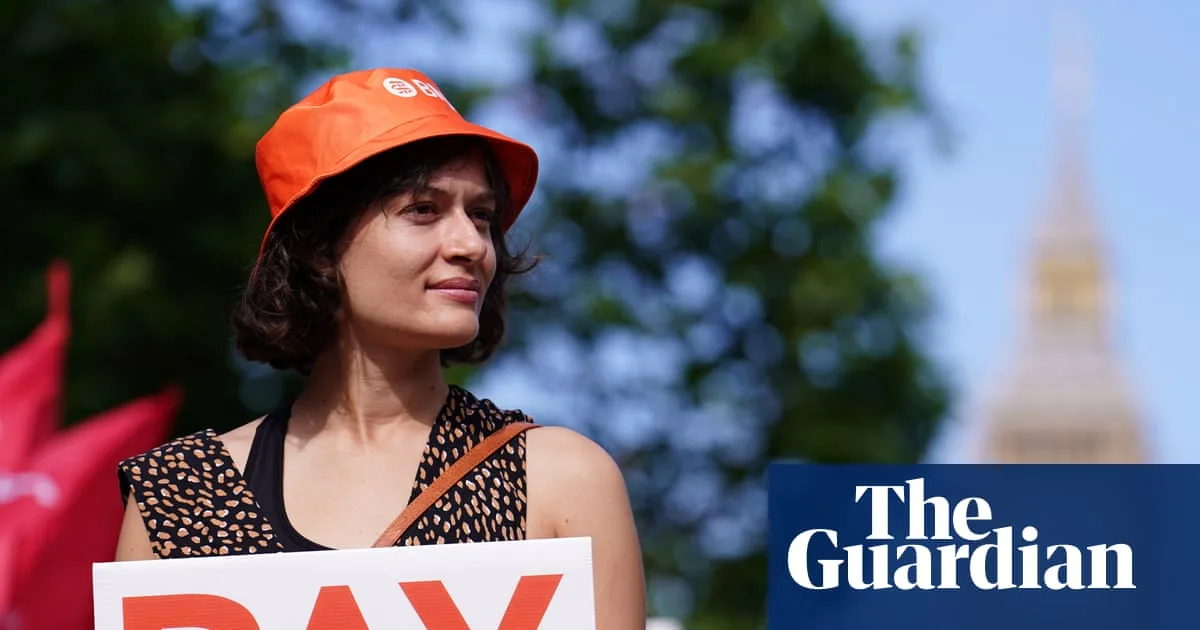
Health Secretary Wes Streeting has issued a stark warning that tens of thousands of striking resident doctors will leave patients "waiting in pain or anxiety longer than is necessary" as a six-day walkout begins. The industrial action, which commenced at 7am on Tuesday following the Easter bank holiday weekend, represents the 15th round of strikes in an ongoing dispute over pay and job conditions.

NHS Services Under Strain During Critical Period

Mr Streeting acknowledged that while approximately 95 percent of planned care including tests, scans, surgeries, and procedures would proceed, the disruption would inevitably impact waiting times. "I'm not going to pretend that there are no consequences for this disruption," he stated during an interview with Sky News. "If you're someone who's waited for your test or scan or your operation, chances are you've been waiting a lot longer than I would like you to."

The Health Secretary emphasized the psychological toll on patients, noting that last-minute cancellations after patients had "psyched themselves up" for procedures could prove "bitterly disappointing" while extending periods of discomfort and worry. NHS England has confirmed that urgent and emergency care will continue operating normally throughout the strike period, with efforts to maintain as much pre-planned care as possible.

Wide Pickt banner — collaborative shopping lists app for Telegram, phone mockup with grocery list

Collapsed Negotiations and Financial Implications

The walkout follows the collapse of negotiations between the government and the British Medical Association's resident doctors committee last week. Mr Streeting revealed that the strikes could cost the National Health Service approximately £300 million in additional expenses and lost productivity. Health leaders have expressed particular concern about the timing of the industrial action, noting the "challenging" circumstances created by the shorter notice period and the Easter holiday period when many NHS staff had already scheduled family time.

The government had previously offered a package that included a 4.9 percent increase in average basic pay from 2026 to 2027, which Mr Streeting claimed would have left resident doctors 35.2 percent better off than four years ago. The proposal also included an offer of 1,000 additional training places, though this was subsequently withdrawn by the Department of Health and Social Care after being deemed no longer "financially or operationally" feasible.

Accusations of Bad Faith and Hypocrisy

Mr Streeting suggested that voters would think he "had lost the plot" if he continued to offer the benefits of the rejected deal after the strikes commenced. "Their position seems to be, we reject the deal, but we expect the benefits to materialise," he remarked regarding the BMA's stance. "Can you imagine what you and your viewers would be saying to me this morning if the BMA rejected this deal, went out on strike, cost the NHS 300 million pounds and the government said: 'we're still going to give them the benefits of the deal?'"

The Health Secretary further criticized what he perceived as hypocrisy within the BMA, noting that the organization had offered its own staff only a 2.75 percent pay increase while rejecting the government's 4.9 percent offer. "It seems to me the BMA aren't willing to put their hands in their own pockets to pay their own staff, but they're very happy to try and fleece your viewers, asking them to pay even more in tax than I think this country can afford," he stated.

BMA Response and Counterclaims

Dr Jack Fletcher, chairman of the BMA's resident doctors committee, countered that the government had "quietly watered down" the deal offered to resident doctors. "Resident doctors are as keen as he is to bring an end to the strikes," Dr Fletcher asserted, "but his government needs to put an offer on the table that we can accept and which doesn't change at the last minute."

In a separate development, hundreds of BMA staff members have also commenced strike action in their own ongoing pay dispute. Mr Streeting previously questioned in writing whether the BMA was "serious about reaching an agreement at all," emphasizing that "negotiation is a two-way process" and that "good faith cannot run in only one direction."

Pickt after-article banner — collaborative shopping lists app with family illustration

Despite acknowledging the pressures facing medical professionals, the Health Secretary maintained that the current industrial action would disproportionately harm patients already enduring lengthy wait times for essential medical care.




