
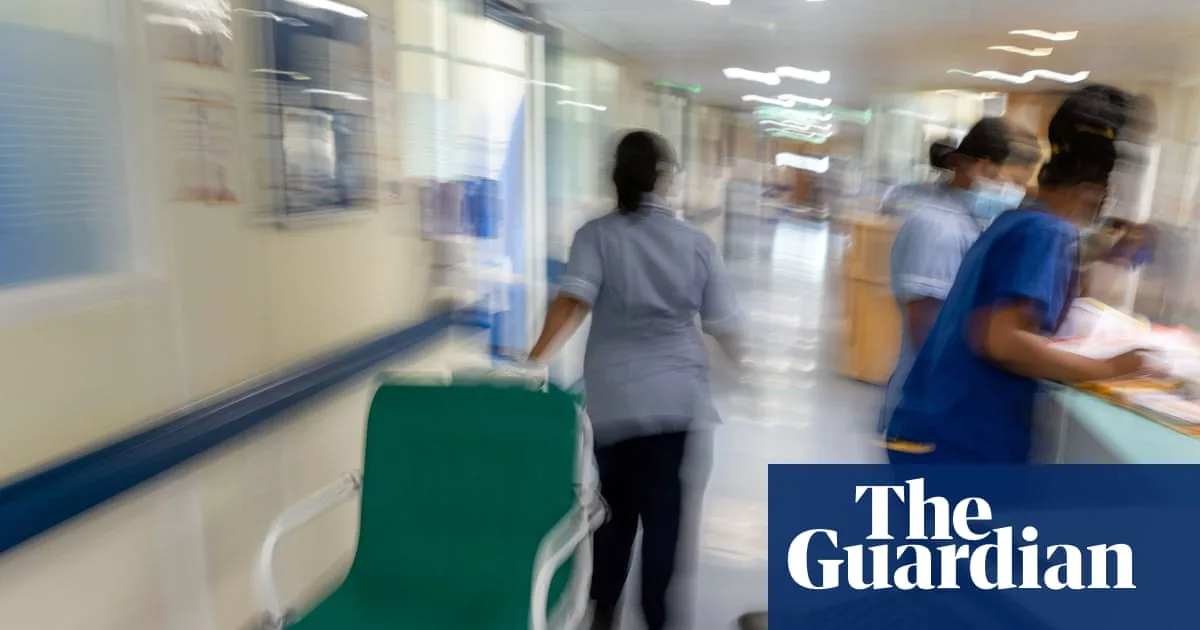
Six NHS trusts in England have declared critical incidents as extreme heat causes widespread equipment failures, IT breakdowns, and a surge in admissions. The unprecedented heatwave has led to MRI scanners and radiotherapy machines failing, cooling units breaking down, and staff struggling with sleep deprivation.
Queen Alexandra Hospital in Portsmouth declared a critical incident after cooling units failed, causing elevated temperatures across the hospital. This affected digital systems and critical clinical services, including operating theatres and diagnostic scanning facilities. A trust spokesperson described the situation as 'unprecedented pressures' from the heatwave combined with equipment failure.
Norfolk and Norwich University Hospitals NHS Foundation Trust also declared a critical incident, reporting no working MRI scanners across its sites due to heat and humidity affecting cooling systems. This led to hundreds of patient appointments being cancelled.
The Royal Devon and Exeter Hospital declared a critical incident on Thursday evening, citing the 'widespread nature of impacts' from extreme heat and humidity on service delivery. Doctors reported that even newer facilities attached to older Victorian buildings faced severe infrastructure challenges, with IT servers overheating and non-essential equipment being switched off.
Staff reported overcrowded A&E departments and ward temperatures reaching 35°C, with many areas lacking air conditioning. Some medics were unable to work due to school closures, compounding workforce pressures. The London Ambulance Service recorded its highest ever number of life-threatening emergencies in a single day.
NHS England stated that hospitals were implementing hot weather plans, including managing clinical area temperatures and prioritising care for at-risk groups. However, doctors described conditions as 'awful' and 'unfit to cope', with infection control becoming almost impossible in some settings.




