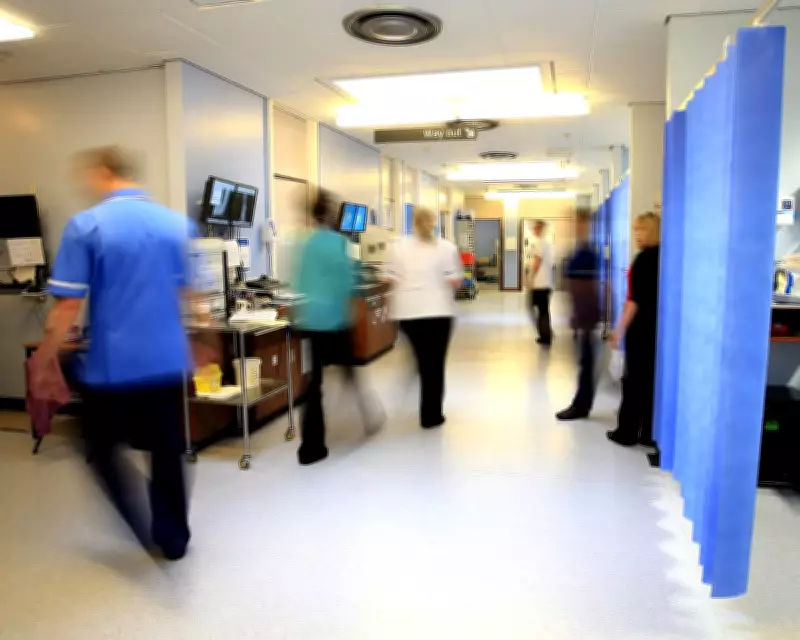
NHS Faces Major Disruption as Junior Doctors Announce Six-Day Strike
Resident doctors in England are set to embark on a six-day strike after Easter, following their rejection of what Health Secretary Wes Streeting described as a final offer to resolve the protracted pay and jobs dispute. This industrial action, scheduled from 7am on Tuesday 7 April to 6.59am on Monday 13 April, marks the longest proposed walkout so far in the campaign, with the British Medical Association (BMA) blaming the government for the escalation.
Financial and Operational Impact on the NHS
NHS leaders have issued stark warnings about the consequences of the strike, estimating it could cost the health service approximately £300m. The disruption is expected to lead to widespread cancellations of appointments and force patients to endure longer waiting times for essential tests, treatments, and surgeries. This strike represents the 15th such action by resident doctors, who are demanding full pay restoration, and it will be the fourth consecutive year of industrial action.
Breakdown in Negotiations Over Pay Progression
Talks between the BMA and the Department of Health and Social Care had been ongoing since early January, with both sides acknowledging progress on salaries and the transition of early career doctors into specialist training. However, negotiations faltered over the key issue of pay progression, specifically how quickly doctors advance through the NHS pay system to earn higher salaries. Dr Jack Fletcher, chair of the BMA's resident doctors committee, stated that discussions were proceeding well until two weeks ago, when the government began to shift the goalposts.

The proposed deal would have provided resident doctors with an additional £700m over the next three years, distributed as £150m in the next year, £200m in 2027-28, and £300m in 2028-29, on top of annual pay rises. The BMA insisted that all extra funds should be allocated during the 2026-27 financial year, while the DHSC advocated for a three-year spread, leading to an impasse.
Government Response and Future Prospects
Health Secretary Wes Streeting expressed disappointment at the BMA's decision, characterising the rejected offer as generous and a landmark new deal that promised more frequent and fairer pay rises along with increased training places. He highlighted that a 22% pay rise was issued in July 2024 in an attempt to end the dispute, but the RDC has continued to seek a further 26% rise over several years to address salary erosion since 2008-09.
Despite the setback, both the BMA and Streeting have signalled a willingness to engage in fresh talks to avert the strike. However, the union has made it clear that any agreement would require the government to commit the full £700m in the upcoming financial year, casting doubt on the likelihood of a swift resolution. Streeting thanked the RDC leadership for their constructive approach during recent discussions, offering a glimmer of hope for renewed negotiations.