
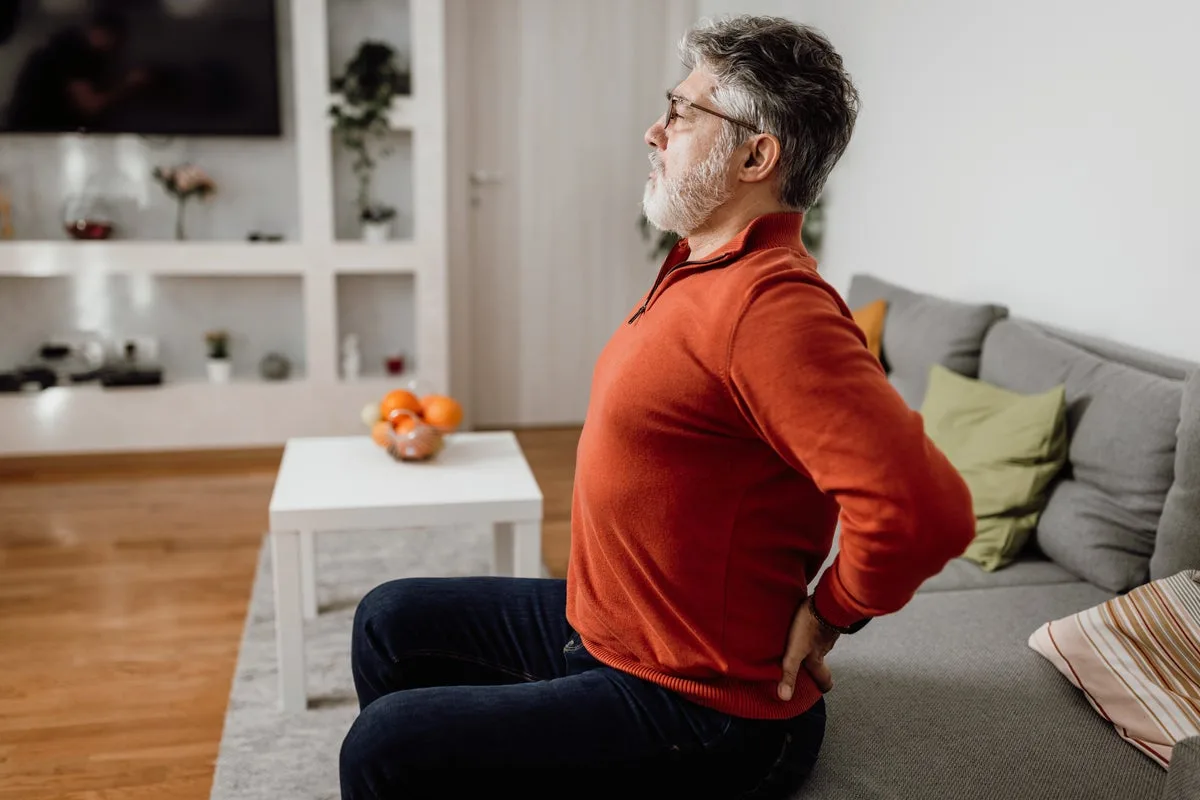
Lower back pain affects more than 80 per cent of people in the UK at some point in their life, according to the NHS, and it’s not always clear why. Sports physiotherapist Alex Morrell from Move Physiotherapy explains that the most common diagnosis is non-specific low back pain, which is pain in the lower back without a direct root cause. While more complex problems involving discs and joints can occur, non-specific low back pain is the most prevalent.
Morrell notes that injury typically happens when a task exceeds the body's structural capabilities. People who are habitually sedentary are at greater risk because they lose range of motion, muscle mass and fitness. When they then ask their body to do something it is not prepared for, it can break down. Physiotherapy aims to improve physical qualities such as strength, range of motion and fitness to prevent pain and injury.
Another key aspect is reassuring the nervous system that movements which previously caused pain are safe. People who fear certain movements often use inefficient strategies, underusing some muscles and overusing others, which can lead to dysfunction and further injury. Practising movements regularly in a controlled environment can help retrain the body.
Morrell emphasises that lifestyle factors like nutrition, hydration, sleep and stress management underpin everything. He recommends staying hydrated, eating whole foods, hitting a protein goal, walking regularly and sleeping seven to nine hours per night to build a more resilient body. Additionally, the autonomic nervous system's state affects pain sensitivity. Using specific breathing techniques—such as taking 10 intentional nose breaths, inhaling and exhaling for five seconds each—can encourage a parasympathetic response, reducing sensitivity and improving spinal range of motion.




