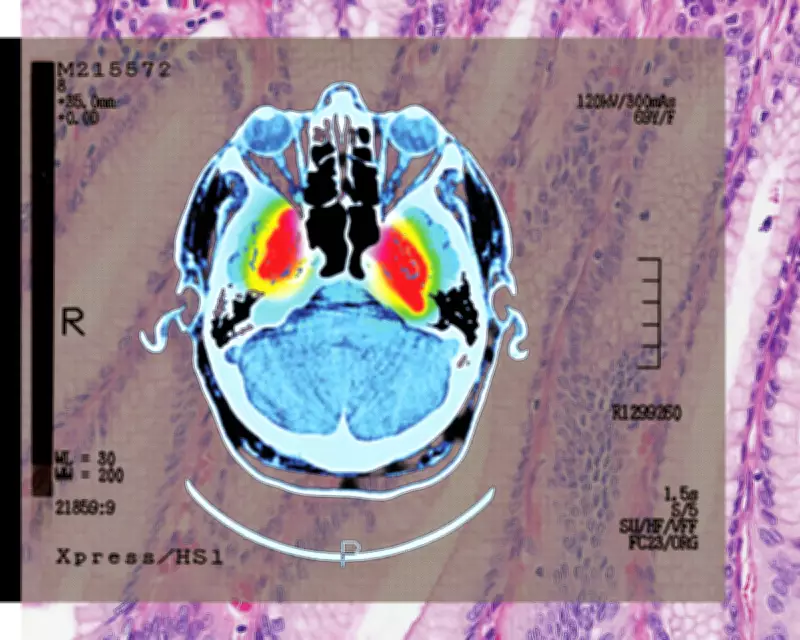
Shingles Vaccine Linked to Reduced Dementia Risk in New Studies
A growing body of evidence suggests that the shingles vaccine may significantly lower the risk of dementia, stroke, and heart attack, offering compelling reasons for increased vaccination uptake. Shingles, a viral infection caused by the varicella-zoster virus—the same pathogen responsible for chickenpox—affects approximately one in three people in the United States. Despite its prevalence, vaccination rates among adults over 60 remain low at around 35%, a trend attributed in part to vaccine fatigue.
Dr. Andrew Wallach, ambulatory care chief medical officer at NYC Health + Hospitals, emphasises the efficacy of the vaccine, stating, "We have a vaccine that works really well, but there is a lot of what I call vaccine fatigue right now." This sentiment underscores the challenge in promoting vaccination despite its proven benefits.
Understanding Shingles and Its Complications
Shingles occurs when the varicella-zoster virus, which remains dormant in the body after a chickenpox infection, reactivates later in life, typically after age 50. Symptoms include pain, sensitivity to touch, itching, a red rash with blisters, fever, headache, and fatigue. While most cases resolve within weeks, about 1-4% of individuals require hospitalisation due to complications, with older adults and those with weakened immune systems at higher risk.

Serious complications can include postherpetic neuralgia, a persistent burning pain that affects 10-18% of shingles patients and can last for months or years. Other potential issues encompass pneumonia, encephalitis, and vision or hearing loss. The Centers for Disease Control and Prevention reports fewer than 100 annual deaths from shingles in the US, highlighting the importance of prevention through vaccination.
Vaccination Efficacy and Side-Effects
In the US and UK, the shingles vaccine Shingrix is recommended for adults aged 50 and older, as well as those with weakened immune systems from age 19. The CDC notes that Shingrix is over 90% effective at preventing shingles in healthy adults over 50, and it can reduce disease severity and prevent future episodes. The vaccine involves two doses, spaced two to six months apart, with no booster doses currently advised.
Side-effects are generally mild and include pain at the injection site, swelling, and flu-like symptoms such as low-grade fever and aches, which typically resolve within a few days. Dr. Wallach notes that these effects are more common after the first dose and less likely in adults over 70. No serious side-effects have been associated with Shingrix, making it a safe option for eligible individuals.
Strong Evidence for Dementia Risk Reduction
Recent research has uncovered a promising link between shingles vaccination and a lower risk of dementia. A 2026 study by Emily Rayens and colleagues found a 51% reduction in dementia risk among individuals vaccinated with Shingrix, even after accounting for factors like socioeconomic status and lifestyle. Dr. Pascal Geldsetzer, assistant professor of medicine at Stanford University, explains that persistent viruses like varicella-zoster may contribute to dementia by causing chronic immune stress or inflammation.
"The hypothesis is that this is a kind of chronic stressor to the immune system that may drive immune ageing or inflammatory pathways—key processes in chronic diseases, including dementia," says Geldsetzer. He is currently raising funds for a clinical trial to establish causal mechanisms, noting the potential for an inexpensive, scalable intervention in dementia prevention or treatment.
Dr. Rosanne Leipzig, professor emeritus of geriatrics at Mount Sinai, expresses excitement about this connection, highlighting the limited options for reducing cognitive impairment. "If there's a possibility of it also protecting against dementia, why not?" adds Wallach, reinforcing the vaccine's value beyond preventing postherpetic neuralgia.

Additional Health Benefits and Treatment Options
Early research also suggests that shingles vaccination may lower the risk of stroke and heart attack. A 2025 review of 19 studies indicated that any shingles vaccination was associated with a reduced risk of these cardiovascular events compared to no vaccination. For those who contract shingles, antiviral medications are the primary treatment, most effective when started within 72 hours of rash appearance. Supportive care includes over-the-counter pain relievers, calamine lotion, and cool compresses.
Vaccination coverage is widely available in the US through most insurance plans and Medicare Part D for eligible individuals, though younger adults under 50 are not recommended for vaccination unless they have weakened immune systems. As studies show Shingrix remains effective for up to 11 years, with declining efficacy if only one dose is received, adherence to the full vaccination schedule is crucial for maximising protection.