Routine Eye Appointment Uncovers Life-Threatening Brain Tumour in Young Boy
Teddy Hemms, a five-year-old from Sawtry, Cambridgeshire, visited his local opticians in late September for what seemed like a straightforward issue. After experiencing blurred vision and headaches during his initial weeks at school, his parents assumed he simply needed stronger glasses. However, the eye examination revealed alarming swelling behind his eyes, setting off a chain of events that would change their lives forever.
Devastating Diagnosis Following Urgent Scans
Referred to Peterborough City Hospital for further investigation, Teddy underwent scans and was fitted with new glasses. The very next day, his parents received an urgent call requesting his immediate return for comprehensive CT and MRI scans. He was subsequently transferred to Addenbrooke's Hospital in Cambridge, where doctors discovered a mass behind his eye requiring surgical removal.
During the operation, surgeons made the heartbreaking discovery of multiple additional masses throughout Teddy's brain. Biopsies confirmed the worst possible news: Teddy had grade four medulloblastoma with MYC amplification large cell anaplastic, an exceptionally aggressive form of brain cancer that had already spread to his spine.
"They told us without treatment, he wouldn't live past six to twelve weeks," said his mother, Cindy Hemms, 40. "It was a complete shock and I didn't deal with it well - every time I looked at him, I thought I'd lose him."Aggressive Treatment and Significant Challenges
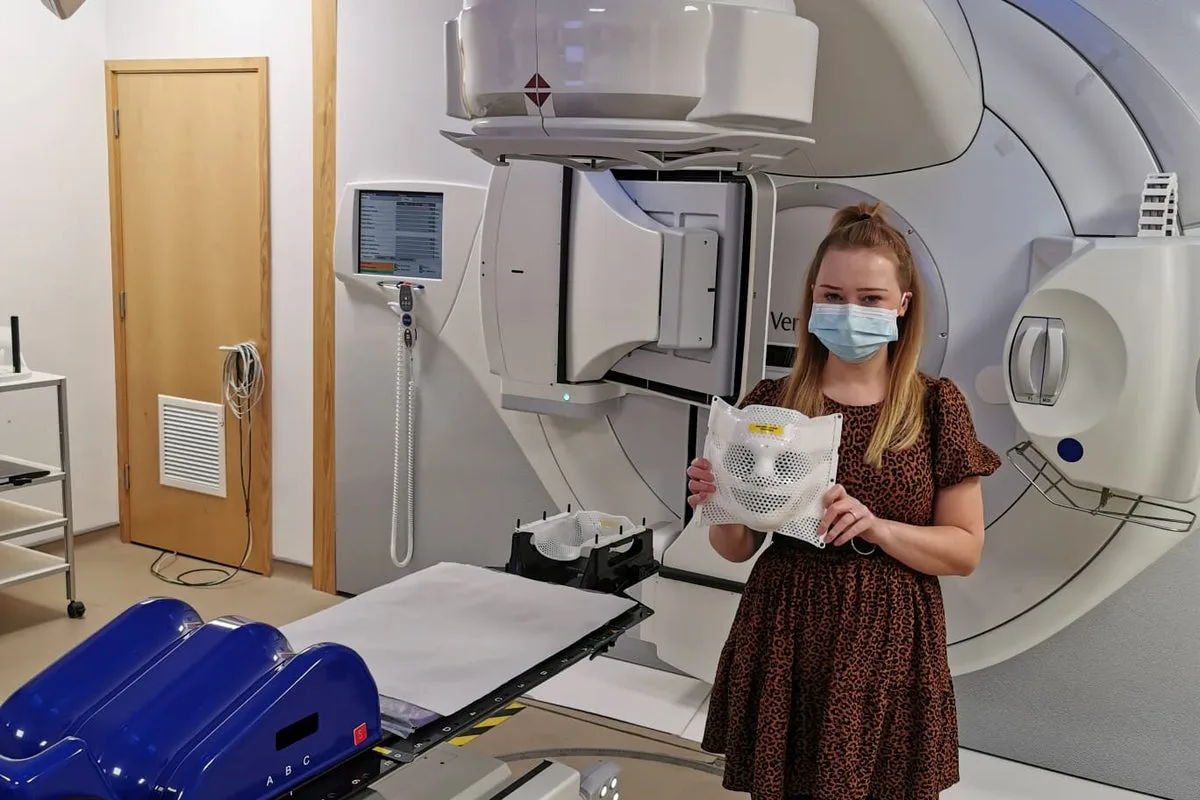
The family faced an impossible decision: pursue aggressive treatment with severe side effects or accept the terminal prognosis. They chose to fight, beginning with full spinal and brain radiation in October 2025, followed by multiple rounds of chemotherapy.
Teddy's treatment journey has been extraordinarily difficult:
- Emergency brain shunt surgery in November after sudden deterioration
- Loss of mobility and balance, leaving him unable to walk
- Six weeks of daily radiation treatment at University College London Hospital
- Current intensive chemotherapy that will cause permanent hearing loss
His father, Ian Hemms, 45, who serves in RAF intelligence, described the emotional toll: "When we got the diagnosis, I couldn't believe it, I went into a state of shock. As a parent, it's extremely tough because there's nothing you can do. You feel extremely helpless, watching him fight something that feels impossible to beat."
Family's Resilience and Financial Strain
Cindy has given up her career as an events manager to care for Teddy full-time, while his stepfather, Liam, a fabricator, has reduced to part-time work to support the family. They have exhausted their £8,000 savings covering hospital travel, accommodation near treatment centers, and related expenses.
Despite the overwhelming challenges, the family has witnessed moments of hope and resilience. After surgery left Teddy unable to walk, he gradually regained mobility through determination and family support.
"When he took his first steps again, we were crying and clapping like he was a baby doing it for the first time," Cindy recalled. "Soon the baby steps went to wanting to dance with his stepdad with music on. He couldn't walk properly yet, so he'd say, 'hold me, lift me up and make my legs dance'."
Uncertain Future and Ongoing Treatment
Teddy is currently undergoing a final four-month course of intensive chemotherapy, with one round completed so far. Scans have shown significant reduction in spinal metastases, though two brain tumours remain unchanged in size.
The treatment carries severe risks and side effects, but the family recognizes they have limited options. "We need to be aggressive because if he relapses there will be no further treatment available," Cindy explained. "But if there is any chance at all for him, we have to take it."
Looking ahead remains difficult for the Hemms family. "Looking to the future wasn't getting anyone through the days - so we take things one day at a time," Cindy said. "We don't know if he'll get through this, but we're staying positive for him."
The family continues to fundraise to support Teddy's ongoing treatment and associated costs, facing each day with courage despite the uncertain prognosis.






