
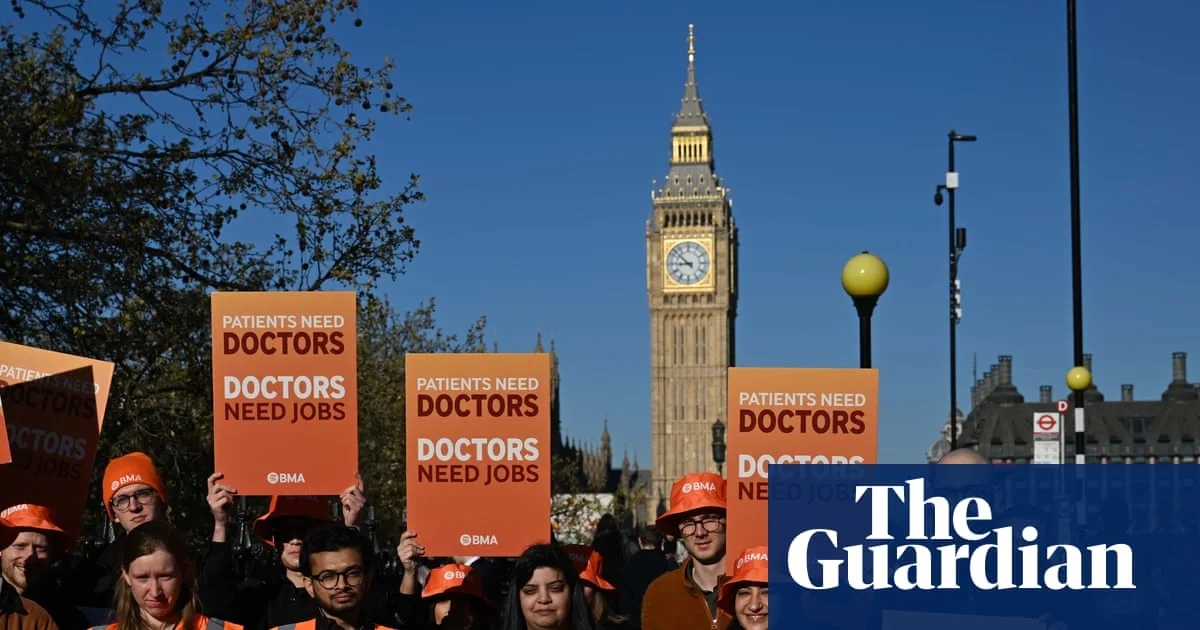
Resident doctors in England will stage a four-day strike from 7am on 15 June to 6.59am on 19 June, the 16th stoppage in their long-running dispute over pay and conditions. The British Medical Association (BMA) blamed the new health secretary, James Murray, for the decision, warning of further action in July unless progress is made.
The BMA, representing around 55,000 of England's 75,000 resident doctors, is demanding a pay increase to compensate for a 26% real-terms loss in salaries since 2008-09, and an expansion of training places for medical specialties. The strike will disrupt NHS care, forcing hospitals to reschedule thousands of diagnostic tests, outpatient appointments, and operations, costing an estimated £50 million per day.
Health Secretary James Murray dismissed the pay claim as “unrealistic, unaffordable, and unsustainable,” noting that resident doctors have received a 33.4% pay rise over the last four years. He expressed disappointment that the BMA refused further discussions and rushed to strike action, which he said patients do not support and costs the NHS hundreds of millions of pounds.
Dr Jack Fletcher, chair of the BMA’s resident doctors committee, accused Murray of intransigence, stating that the government offered no new money on pay and no concrete commitments on jobs. He said the BMA had hoped for a change in approach under the new health secretary but encountered the same unwillingness to move as under his predecessor.
The NHS Alliance criticised the strike as “rash and wholly irresponsible,” warning it would leave patients paying the price. Meanwhile, the BMA’s GPs committee plans to ballot family doctors on offering more private care, potentially making GP practices more like dental surgeries with means-tested, subscription-based services.




