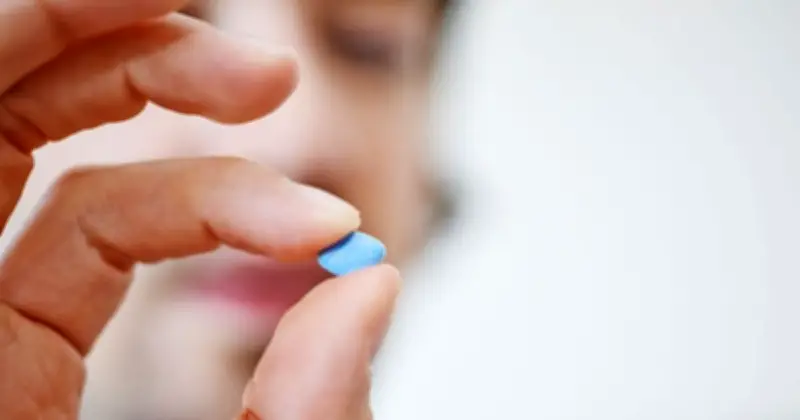
A record 530 men required hospital treatment in 2025 for painful, long-lasting erections, according to NHS figures. The number of priapism cases rose by 11% in a year, with more than 10 cases reported each week.
Priapism is a prolonged, painful erection that can cause permanent damage if not treated promptly. Of the 530 cases, 441 needed emergency care, and five men in their 80s and 90s were among those affected.
Experts link rise to erectile dysfunction drugs
Experts attribute the increase to medications such as Viagra. A decade ago, there were 336 such cases.
Consultant urological surgeon Gordon Muir warned that people who use these pills alongside illicit drugs or alcohol could face a greater risk of priapism.
Two groups at higher risk
Muir identified two types of cases that may be behind the numbers. The first involves elderly men who use injectable treatments to achieve and maintain an erection. When complications arise, these men can develop priapism and require prompt treatment, he told The Sun.
The second group consists of men who take illegal and legal drugs to sustain an erection for as long as possible during sex. A combination of drugs, typically Viagra, cocaine, and amphetamines, can leave these men with an erection lasting many hours.
Muir warned: “This can be very dangerous for their long-term health.”
NHS advice and treatment options
The NHS advises several steps to help reduce an erection, including trying to urinate, taking a warm shower, drinking plenty of water, and going for a gentle walk. It advises against applying ice packs or cold water to the penis, avoiding sex or masturbation, not drinking alcohol, and not smoking.
Anyone with an erection lasting three to four hours should call 999 or go to A&E, according to NHS guidance. Those with sickle cell disease who experience a painful erection lasting over an hour should do the same.
Treatments to reduce an erection include draining blood from the penis with a needle under local anaesthetic, as well as tablets, injections, and surgery to drain blood through a tiny cut under general anaesthetic. The NHS lists blood-thinning medicines, some antidepressants, illicit drugs, and certain erectile dysfunction treatments as causes of the condition.