

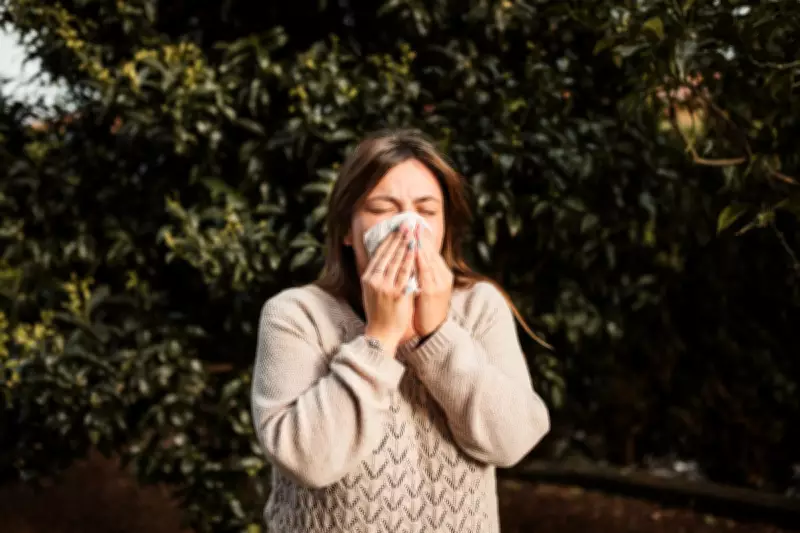
Pollen season has returned with a vengeance, marking an early and intense start to allergy suffering for many. Experts are sounding the alarm that these seasons are becoming "longer and more intense," driven by global warming and shifting weather patterns.
Why Allergy Seasons Are Growing Longer
Dr Katelyn Jetelina, an adjunct professor of epidemiology at the Yale School of Public Health, explains that warmer, shorter winters reduce periods of freezing temperatures. This extends the growing season for plants, causing them to release pollen earlier in spring and later into autumn. A 2021 study reveals that pollen seasons in North America have lengthened by 20 days since 1990, largely due to rising global temperatures and an increase in extreme weather events.
Understanding Seasonal Allergies
In both the US and UK, seasonal allergies, commonly known as allergic rhinitis or hay fever, are typically triggered by tree pollen in spring, grass pollen in summer, and weed pollen in autumn. Approximately 26% of adults in these countries experience seasonal allergies, alongside 19% of children in the US and 10-15% in the UK. Dr Arveen Bhasin, an allergist-immunologist at the Mayo Clinic in Jacksonville, Florida, notes that common symptoms include itchy, watery eyes, a runny nose, sneezing, nasal congestion, headaches, sore throat, coughing, wheezing, and breathing difficulties.

It is possible to develop allergies at any age, with adults often encountering them for the first time later in life. Moving to new environments with different foliage can also trigger sensitivities, typically taking about two years to develop, according to Dr Payel Gupta, a spokesperson for the American College of Allergy, Asthma and Immunology.
Managing Allergy Symptoms Effectively
Over-the-counter medications such as decongestants, antihistamine pills, nasal sprays, and eye drops can help manage symptoms. Dr Bhasin emphasizes the importance of starting treatment at least two weeks before pollen season for optimal effectiveness. However, antihistamines may lose efficacy over time, and nasal sprays require consistent use for 10-14 days to reach maximum benefit.
Experts caution against overusing decongestants, which can cause a rebound effect worsening nasal congestion. Dr Gupta advises limiting use to three days and consulting a doctor if you have conditions like high blood pressure or heart disease.
Lifestyle Adjustments to Reduce Exposure
To minimise pollen exposure, keep windows closed and use air conditioning with clean filters at home. Wearing a mask outdoors during high pollen counts and removing shoes, showering, and changing clothes upon returning indoors can also help. Air purifiers are beneficial, but ensure they are appropriately sized for your space.
When to Seek Professional Medical Help
If over-the-counter treatments and lifestyle changes fail to alleviate symptoms, consulting an allergist is recommended. They may prescribe allergy immunotherapy, such as shots or sublingual treatments, for longer-term relief and control.
As pollen seasons continue to intensify, proactive management and medical guidance are crucial for maintaining comfort and health during these challenging periods.






