

Polio Virus Returns to UK Wastewater as Experts Sound Alarm on Outbreak Threat
Poliovirus, a disease that once paralysed thousands of Britons annually until the 1950s, has been identified in UK wastewater for the second time this year, marking the tenth detection since 2024. Health experts are now warning that polio is not a relic of the past, with the risk of a UK outbreak reaching its highest level in decades.
Detection and Mutation Concerns
The virus found in wastewater samples is believed to be a mild, "inactivated" form originating from older oral vaccines still administered in some countries abroad. However, there are significant fears that this vaccine-derived poliovirus type 2 (VDPV2) could mutate back into its original "wild" form, which is capable of causing paralysis. Routine testing in London and Glasgow has identified these strains, with 135 isolates found in 30 sewage samples in London during 2022 alone, suggesting potential community spread.
Vaccination Rates and Historical Context
Falling vaccination rates have become a critical concern, with one in five UK children now missing their pre-school polio booster. This decline has pushed vaccination rates below the 95% threshold required by the World Health Organisation for herd immunity. Historically, polio paralysed up to 8,000 people yearly in Britain during its peak in the late 1940s and early 1950s. Although the UK was declared polio-free in 2003, the last domestically acquired case occurred in 1984, and the virus has remained a latent threat.

Funding Cuts and Global Implications
The UK Government's decision in March to end funding for the Global Polio Eradication Initiative and reduce support for organisations like Gavi and the World Health Organisation has drawn sharp criticism. Adrian Lovett, director for the ONE Campaign, emphasised that "polio is not a disease of the past" and highlighted the interconnectedness of global health, stating that "no one is safe until everyone is." He argued that cutting international aid is short-sighted and increases risks to the UK public.
Expert Warnings and Personal Accounts
Dr De Silva, a GP honoured for his work on Covid and polio vaccinations in Gaza, shared insights from his recent experience responding to a polio case in Gaza after 25 years. He warned that with declining vaccine rates and aid reductions, the risk to the UK is the highest in over a generation. The UK Health Security Agency has previously indicated that polio may be spreading in Britain for the first time in decades, prompting NHS alerts for paralysis cases.
Government Response and Public Health Measures
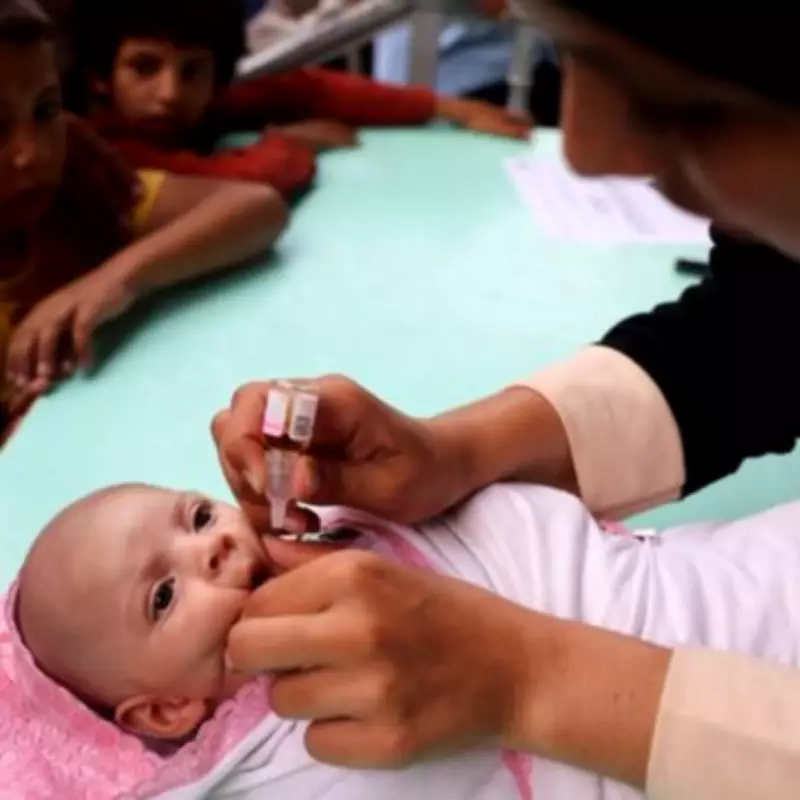
A government spokesman maintained that the risk of polio transmission remains low but stressed the importance of vaccinations. The NHS offers free polio vaccines as part of routine schedules, with catch-up doses available at any age. Domestically, efforts include supporting health professionals in discussing vaccinations, promoting awareness in schools, and implementing national communication plans. Internationally, the UK claims to be investing over £1 billion to immunise up to 500 million children worldwide against polio, alongside contributions for surveillance and outbreak response.
Despite these measures, experts continue to urge vigilance, noting that viruses like polio do not respect borders and that public health emergencies require global cooperation to prevent resurgence.






