Pharmacists: The New Front Door of the NHS in Labour's Community Care Revolution
Spending a day on the NHS frontline provides a compelling glimpse into why pharmacists are increasingly viewed as crucial to saving the health service. Mirror Health Editor Martin Bagot recently observed firsthand how Labour's generational shift, moving NHS care out of hospitals and onto the High Street, is unfolding in practice. This transformation positions pharmacists as central figures in a new vision for community-based healthcare delivery.
The Evolving Role of the Community Pharmacist
Naomi Haldane, a pharmacist at Boots in St Albans with 25 years of service, exemplifies this changing landscape. She describes pharmacists as "the front door of the NHS now because we're accessible. People can just walk in to see us but many don't realise they don't need to make a GP appointment." Her pharmacy has evolved from primarily dispensing medications to becoming a vital community hub offering private consultations, health checks, and proactive advice for minor ailments.
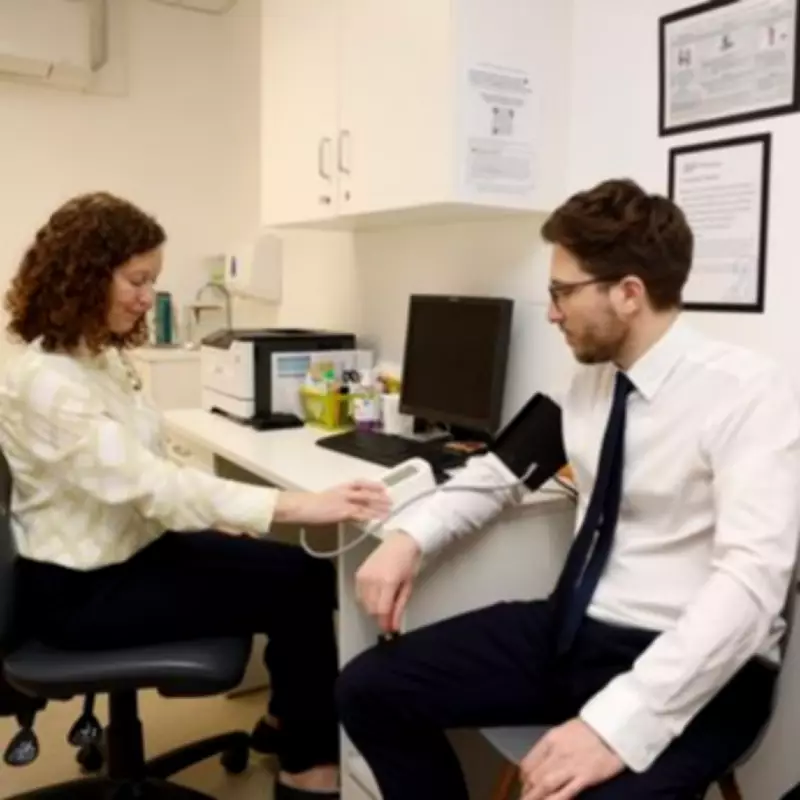
During the visit, patients presented with issues ranging from sleep problems and constipation to colds and flu. The pharmacy's private consultation rooms enable confidential discussions, while staff actively offer tests and monitoring. Naomi recounted a recent case where a woman in her thirties seeking contraception received a free NHS blood pressure test that revealed dangerously high readings. "If it was just a few points higher I would have sent her immediately to A&E," she noted, highlighting how such interventions can prevent serious health crises.

Pharmacy First: Expanding Treatment Capabilities
The Pharmacy First scheme represents a significant expansion of pharmacist responsibilities in England. Authorised to supply prescription-only medicines for seven common conditions without GP referrals, pharmacists can now treat sinusitis, sore throat, earache, infected insect bites, impetigo, shingles, and uncomplicated UTIs in women. This initiative allows patients to bypass often lengthy GP appointment waits for these ailments.
Naomi emphasized that many patients remain unaware of these expanded capabilities, citing a retired pharmacist who recently visited for sinusitis after being referred by her GP. "She could have just come straight here," Naomi explained, underscoring the need for greater public awareness about pharmacy services.
Untapped Potential and Systemic Challenges
Despite these advances, pharmacists argue they could do much more to alleviate pressure on overstretched GPs. Many, including Naomi, hold additional qualifications enabling them to legally prescribe drugs for any condition, with all newly qualified pharmacists now possessing prescribing authority. However, they remain restricted from exercising this capability fully within the NHS beyond specific schemes like Pharmacy First, primarily prescribing privately instead.
"With all these prescribers there is now a whole body of people who could do a whole lot more," Naomi stated. "I feel there's a skillset here. There are a lot of people who come into the store that I know what they need but I have to refer them to a GP."
Historical Context and Current Ambitions
The NHS shift toward community care isn't new, tracing back to Lord Ara Darzi's landmark 2008 review that recommended moving more care to primary settings like pharmacies. Early intervention proves both clinically beneficial and cost-effective by preventing A&E admissions. However, Conservative austerity policies from 2010 onward created funding squeezes that worsened all NHS services, diverting resources toward hospitals to address growing A&E crises while undermining primary care.
Since taking power in 2024, Labour has pledged to finally achieve this long-elusive transformation. Health Secretary Wes Streeting envisions much NHS care currently delivered in hospitals moving to High Street chemists and local health centers within a decade. The government points to increased community pharmacy funding reaching £3.1 billion as evidence of commitment, describing pharmacies as "central to our shift towards community-based care" in their 10-Year Health Plan.

Patient Perspectives and Practical Benefits
Patients like Stephanie Murphy, 67, from St Albans, appreciate the convenience. After popping in for blister plasters, she and friend Sue Giles, also 67, received unexpected blood pressure checks. "It takes the pressure off the doctors, I suppose," Sue remarked. Pharmacies have also begun offering free morning-after pills in England since last year, along with oral contraceptive prescriptions, eliminating awkward GP appointments for these needs.
"Previously that was done by the GP. Women really didn't like that," Naomi explained. "Now they can just do it on their lunch break."
Funding Concerns and Future Prospects
Despite this optimistic vision, the pharmacy sector warns that underfunding threatens progress. The National Pharmacy Association highlights a financial "cliff edge" facing smaller community pharmacies, with rising costs including higher business rates. Chief executive Henry Gregg acknowledges pharmacies' "huge untapped potential" but stresses that "only a sustained and long term increase to their funding will make this possible."
Record pharmacy closures over the past decade, with many surviving only through personal savings, underscore these concerns. As the NHS attempts its most ambitious community care shift in generations, the success of making pharmacists the new frontline may ultimately depend on whether funding matches political ambition.