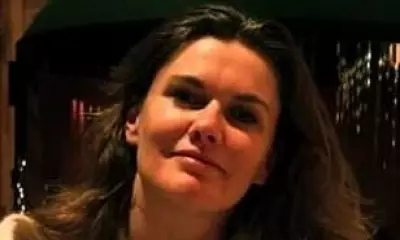
Woman's Persistent Cough Leads to Incurable Cancer Diagnosis After GP Dismissal
Melanie Lucas, a 49-year-old woman from Somerset, is urging individuals to trust their instincts and persistently seek medical attention after a "niggly" cough and family medical history led to the discovery of an incurable tumour in her lung. Her journey underscores critical issues in healthcare access and patient advocacy.
Initial Dismissal and Subsequent Discovery
Following her mother's death from small-cell lung cancer and COPD, Melanie requested a precautionary lung X-ray from her GP, citing her family history. She was dismissed and turned away without further investigation. Six months later, she returned with a persistent, unproductive cough that caused chest discomfort, prompting a different doctor to order an X-ray. This revealed a 5cm tumour in her lung, ultimately diagnosed as neuroendocrine cancer.
"I was utterly shocked. I felt so well – the cough went the same day as my X-ray – nothing really made sense," Melanie recounted, describing the moment she received the alarming news. Initially, doctors suspected advanced lung cancer, but a biopsy confirmed it was neuroendocrine cancer, a slower-growing type that starts in nerve and gland cells.

Understanding Neuroendocrine Cancer
According to Cancer Research UK, neuroendocrine cancers develop in various body parts, such as the pancreas, lungs, bowel, or stomach. In Melanie's case, the cancer was already at stage 4, with a large lung tumour and small metastases along the lung lining, making it inoperable and incurable. "It's likely that I have had it for around seven to 10 years before diagnosis, completely without knowing," she said.
Treatment has included oral chemotherapy to stabilise the tumours, with some success in slowing disease progression. Melanie now receives regular hormone injections and twice-weekly Mistletoe Therapy from the Camphill Wellbeing Trust, which helps manage side effects, boost her immune system, and improve her quality of life.
Life Adjustments and Emotional Challenges
Melanie previously worked as a gardener for the National Trust, a job she loved, but had to give it up due to symptoms like nerve pain and the demands of lifelong monitoring, scans, and treatments. "There's very few days when I don't wake up and my first thought is: 'I've still got cancer'," she shared, highlighting the emotional toll. She has since returned to freelance work, prioritising self-care through Reiki, meditation, saunas, and acupuncture to maintain a positive mindset.
She also noted the difficulty when people comment on her appearance, saying she looks "well" despite her diagnosis. "Sometimes I say 'I might look good on the outside but you should see the inside'. There's pain and discomfort from the tumours pressing on nerves, and that's something you can't see," Melanie explained.
Advocacy and Support
Melanie found invaluable support through Neuroendocrine Cancer UK, accessing information and community groups that helped her understand her condition. "For those of us with this type of cancer, there isn't a standard of care pathway and very little in the way of treatments," she said, emphasising the need for peer support.
Her key message is one of self-advocacy: "If you feel something isn't quite right, you don't feel well and have a myriad of different symptoms, don't just necessarily assume that it's not connected. Keep going back to the doctor and keep pushing to be a part of your diagnostic pathway." This call to action resonates as a crucial reminder for patients to trust their instincts in navigating healthcare systems.