The Staggering Lifetime Cost of Periods in the UK
New research has uncovered a shocking financial burden faced by women across Britain, with the average lifetime cost of managing periods exceeding £20,000. This immense expense is forcing many to make severe sacrifices, including cutting back on food just to afford basic sanitary products and pain relief.
Breaking Down the Monthly and Lifetime Expenses
Data from the period tracking application Clue indicates that women typically spend an average of £41 every month on menstrual management. Over a lifetime, this accumulates to a staggering total of £20,359. While approximately £18 of the monthly outlay is dedicated to essential items like pads and tampons, the true financial impact is far greater when additional costs are considered.
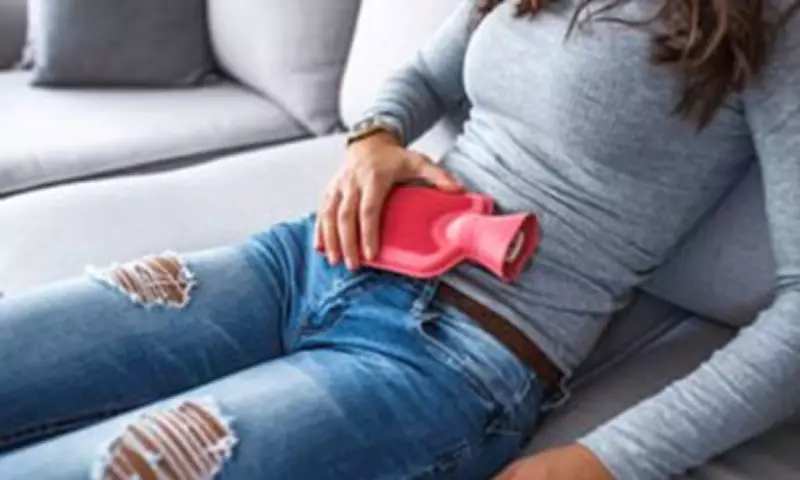
These extra expenses encompass painkillers, hot water bottles, dietary supplements, and the frequent replacement of stained clothing and bedding. The comprehensive analysis highlights how menstrual health extends beyond simple product purchases, embedding itself deeply into household budgets.

The Harsh Reality of Period Poverty
The findings starkly expose the scale of 'period poverty' throughout the United Kingdom. More than one-third of women surveyed admitted they sometimes struggle to afford basic menstrual products. Nearly 40 percent revealed they have been compelled to reduce spending on essentials such as food, utility bills, or transport to cope with the costs.
In desperate situations, some women resort to makeshift alternatives like tissues or wipes when proper protection is financially out of reach. This financial strain is not confined to personal life; it significantly affects professional environments as well.
Impact on Employment and Wellbeing
Nearly half of employed respondents reported that their periods interfere with their ability to work effectively. Furthermore, 41 percent acknowledged missing part or an entire workday in the past year due to menstrual symptoms. Beyond the workplace, more than a third stated that the cost of managing their periods causes considerable stress and anxiety.
A overwhelming 75 percent of those surveyed believe the financial burden associated with women's health needs has increased substantially over the last five years. In response, 82 percent are advocating for period products to be made free and more widely accessible in schools, universities, and workplaces.
Current Initiatives and Persistent Gaps
Scotland made history in November 2020 by becoming the first nation globally to provide free period products, imposing a legal duty on local authorities to ensure access for all who need them. In England, state-maintained schools and colleges can obtain free products for students through a Department for Education scheme.
However, significant gaps remain. Separate research commissioned by phs found that more than a third of teenage girls have missed school due to their period, losing an average of over three days per term. Among these, 14 percent stayed home because they lacked access to products, while 11 percent could not afford them.
Activism and Political Pressure
Clue has partnered with broadcaster and activist Ashley James to launch a petition urging the UK Government to make period products free in England. The petition requires 10,000 signatures for an official government response and 100,000 to be considered for a parliamentary debate.
Rhiannon White, Chief Executive of Clue, emphasized: 'Clue exists to help people understand and advocate for their bodies. Addressing the cost of bleeding is a critical step in closing the women's health gap. We encourage everyone to sign the petition and help make menstrual products accessible for all.'
Broader Health System Failures
These findings emerge as Members of Parliament warn that women and girls are being failed 'at every stage' by the National Health Service and the Government. A report by the Women and Equalities Committee described it as a 'national scandal' that nearly half a million women are on gynaecology waiting lists despite effective treatments being available in primary and community care.

The inquiry discovered that women's health concerns are frequently dismissed, painful procedures are often conducted without adequate pain relief, and schools are increasingly under-resourced to support menstrual health. Girls are sometimes incorrectly told they are too young to have conditions like endometriosis, leading many to seek advice on social media where information can be inaccurate or unsafe.
MPs have called on ministers to enhance education around menstrual and gynaecological health, ensure better pain management, and accelerate diagnosis processes. They caution that until women's health is treated as a priority within both the NHS and the education system, meaningful improvements will remain elusive.