

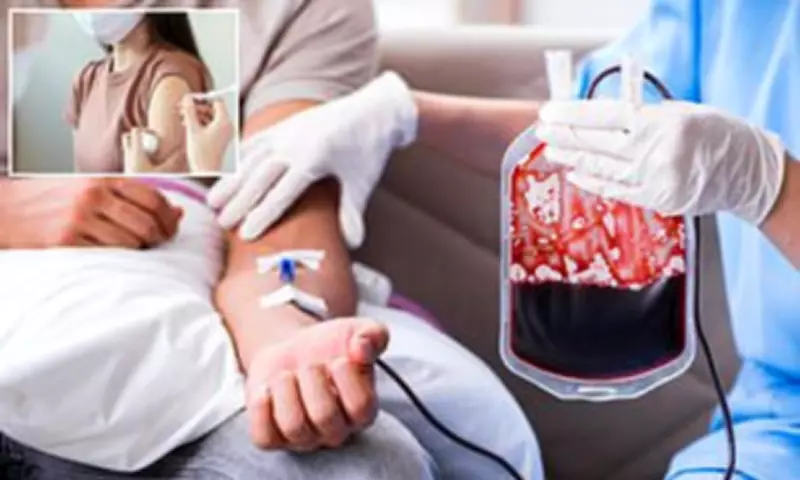
Medical Professionals Sound Alarm Over Dangerous Blood Transfusion Refusals
Health researchers are issuing urgent warnings following a concerning increase in patients refusing life-saving blood transfusions because the donations come from vaccinated individuals. A comprehensive study conducted by Vanderbilt University Medical Center has documented this troubling phenomenon, revealing serious consequences for patient health and medical care delivery.
Study Reveals Disturbing Patient Decisions
The research identified 15 specific cases where patients or their families rejected medically necessary blood transfusions because they specifically requested blood from unvaccinated donors. The majority of these cases involved children and teenagers, making the situation particularly alarming given the vulnerability of younger patients.
The consequences of these refusals were severe and immediate. One patient went into shock due to dangerously low hemoglobin levels, while another developed significant anemia. Multiple patients experienced surgical delays that compromised their treatment timelines and recovery prospects.

Medical Complications and Delayed Care
Researchers documented that in at least four cases, patients suffered significant medical complications specifically because they or their families insisted on waiting for unvaccinated blood. These decisions directly contributed to adverse health outcomes that could have been prevented with timely transfusion.
For pediatric patients, the risks are especially grave. Delays in blood transfusions for children can lead to permanent developmental stunting or severe neurological damage that affects their entire lives. The study authors emphasized that these risks are well-established in medical literature and represent serious threats to patient wellbeing.
Increasing Requests for Directed Donations
Over a two-year observation period, researchers noted a marked increase in requests for non-anonymous blood donations, where patients can specify particular donors. These requests increasingly centered on obtaining blood specifically from unvaccinated individuals, despite no medical evidence supporting such preferences.
Patients expressed vague safety concerns about vaccinated blood, though their specific fears remained unclear to treating physicians. The study authors noted in the journal Transfusion that "despite being framed as 'safer,' directed donations may paradoxically increase risk" by delaying necessary medical interventions.
Misinformation Driving Dangerous Choices
The trend appears connected to widespread misinformation about COVID-19 vaccines that has gained traction since the pandemic began. Some anti-vaccination advocates have promoted unfounded theories about vaccine "shedding" or transmission through blood products, despite overwhelming scientific evidence to the contrary.
Public figures including Health and Human Services Secretary Robert F. Kennedy Jr. have contributed to these concerns by expressing doubts about vaccine safety, though medical authorities universally reject these claims as scientifically unsupported.
Blood Safety and Medical Reality
Medical experts emphasize there is absolutely no evidence that COVID-19 vaccination alters blood in any significant way or makes it unsafe for transfusion. Blood donation centers do not track vaccination status, and major health organizations including the American Red Cross, Association for the Advancement of Blood & Biotherapies, and America's Blood Centers have issued joint statements confirming the safety of blood from vaccinated donors.
These organizations state clearly that "blood donations from individuals who have received a COVID-19 vaccine approved or authorized for use in the US are safe for transfusion" and that vaccine components do not replicate through blood transfusions or alter recipients' DNA.
Practical Challenges and Blood Shortages
The preference for unvaccinated blood creates significant practical problems for healthcare providers. Patients often request donations from family members or friends they know to be unvaccinated, but this approach depends on compatible blood types and excludes donors with various medical conditions.

These directed donation requests can also compromise standard screening processes that ensure blood safety. Meanwhile, the United States faces a severe blood shortage, with only three percent of eligible donors actually giving blood despite 60 percent eligibility.
The American Red Cross declared a critical shortage in January 2026 after blood supplies dropped 35 percent within a single month. This shortage makes every unnecessary refusal of available blood potentially life-threatening for other patients in need.
Medical Community Response
Healthcare providers are increasingly concerned that this trend will continue growing, putting more patients at risk. The Vanderbilt study serves as both documentation of the problem and a call to action for better patient education about blood transfusion safety.
Researchers concluded that there is "no scientific evidence that demonstrates adverse outcomes from the transfusions of blood products collected from vaccinated donors" and therefore no medical justification for distinguishing between blood from vaccinated and unvaccinated individuals.
The medical community now faces the dual challenge of addressing misinformation while ensuring patients receive timely, life-saving care without unnecessary delays caused by unfounded fears about vaccine status.





