

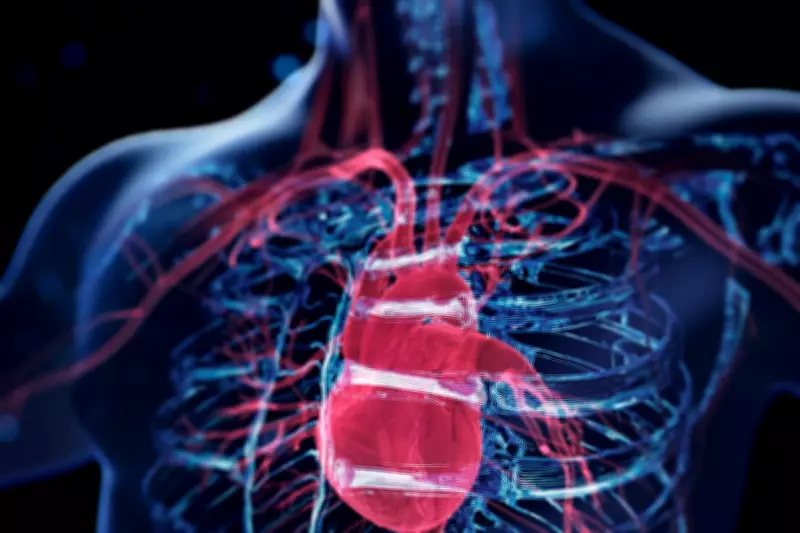
Oxford AI Tool Predicts Heart Failure Risk Five Years Early with 86% Accuracy
Researchers at the University of Oxford have created a groundbreaking artificial intelligence tool that can forecast the risk of heart failure up to five years before it occurs. This innovation leverages routine cardiac CT scans to detect subtle signs of unhealthy fat around the heart, which are invisible to the naked eye, offering a significant advancement in preventive healthcare.
How the AI Tool Works
The AI system analyses data from standard cardiac CT scans to identify inflammation and unhealthy fat surrounding the heart. By processing this information, it generates an absolute risk score for each patient without requiring human interpretation. This score helps doctors assess the likelihood of heart failure developing, enabling more targeted monitoring and early intervention strategies.
In a comprehensive study involving 72,000 patients from nine NHS trusts in England, the tool demonstrated an impressive 86% accuracy in predicting heart failure risk over a five-year period. Patients were followed for a decade after their initial scans, with results published in the Journal of the American College of Cardiology. Those in the highest risk group were found to be 20 times more likely to develop heart failure compared to the lowest risk group, with approximately a one in four chance of onset within five years.

Potential Impact on Healthcare
Professor Charalambos Antoniades, who led the research, emphasised the tool's potential to transform cardiovascular care. He stated, "We have used developments in bioscience and computing to take a big step forward in treating heart failure. Our new AI tool can produce risk scores autonomously, and we aim to extend its application to any chest CT scan, regardless of the original purpose." This could allow for earlier diagnosis and more informed treatment decisions, potentially preventing severe heart damage.
The Oxford team is currently seeking regulatory approval to integrate the tool into healthcare systems, including the NHS, with plans to incorporate it into routine radiology department analyses. Dr Sonya Babu-Narayan of the British Heart Foundation, which funded the study, highlighted the urgency of early detection: "Heart failure is often diagnosed too late, leading to irreversible damage. This AI tool could enable doctors to monitor high-risk patients more closely, improving outcomes and quality of life."
Broader Context and Recommendations
Heart failure affects over 60 million people globally, where the heart's ability to pump blood efficiently is compromised. Experts stress that early prediction could revolutionise management, allowing for preventive measures or timely treatment. Alongside technological advances, maintaining heart health through lifestyle choices remains crucial. Recommendations include consuming a diet rich in fruits and vegetables, engaging in regular physical activity, maintaining a healthy weight, quitting smoking, moderating alcohol intake, and controlling blood pressure.
This development underscores the growing role of AI in enhancing medical diagnostics and patient care, promising to reduce the burden of heart disease through proactive approaches.






