
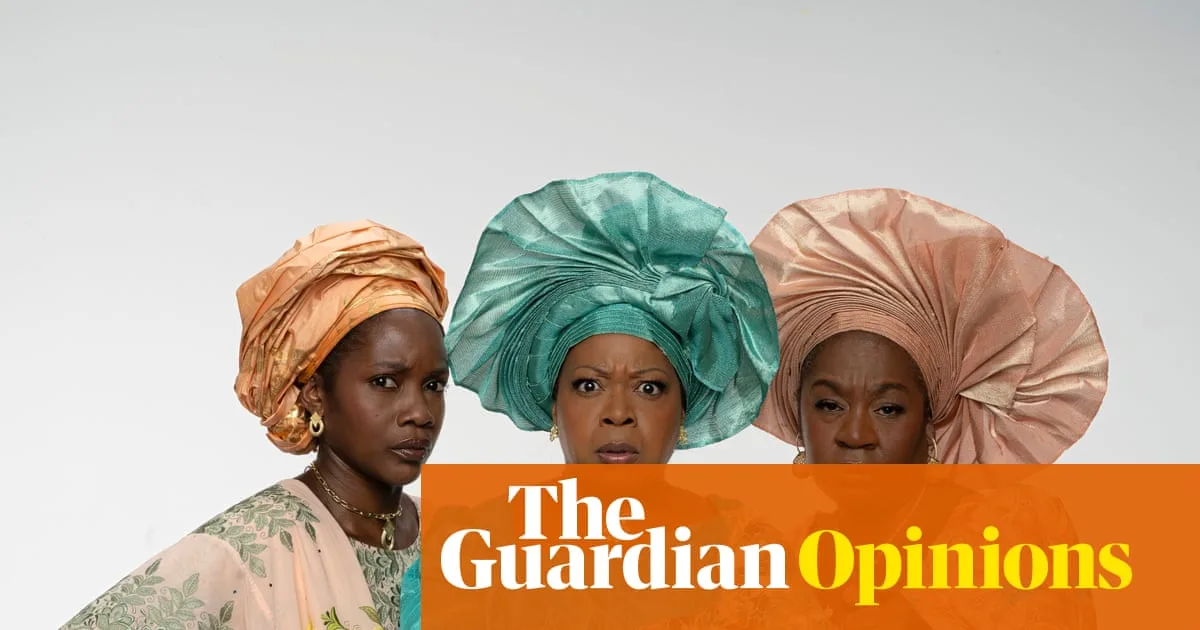
An employment tribunal has ruled in favour of an NHS healthcare assistant who was subjected to harassment after a colleague repeatedly called her 'auntie' against her wishes. Ilda Esteves, 61, was awarded £1,425 in compensation after her co-worker Charles Oppong continued to use the term despite her asking him to stop.
The tribunal heard that Oppong defended his actions by claiming that in his Ghanaian culture, 'auntie' is a term of respect for older women. However, the tribunal found that the unwanted name, combined with Oppong suggesting an older colleague would be a 'good match' for Esteves, amounted to inappropriate over-familiarity and harassment.
The case highlights the complexities of cultural norms in the workplace. For many West African, Caribbean, and South Asian people, 'auntie' and 'uncle' are honorifics used to show respect for elders. However, in British workplace culture, where age hierarchies are less pronounced, such terms can be interpreted as undermining or ageist.
Commentators note that the case reflects broader western attitudes to ageing, where older women often feel pressure to hide their age due to ageism and misogyny. While some may view being called 'auntie' as a mark of respect, others may see it as an attempt to diminish their professional standing.




