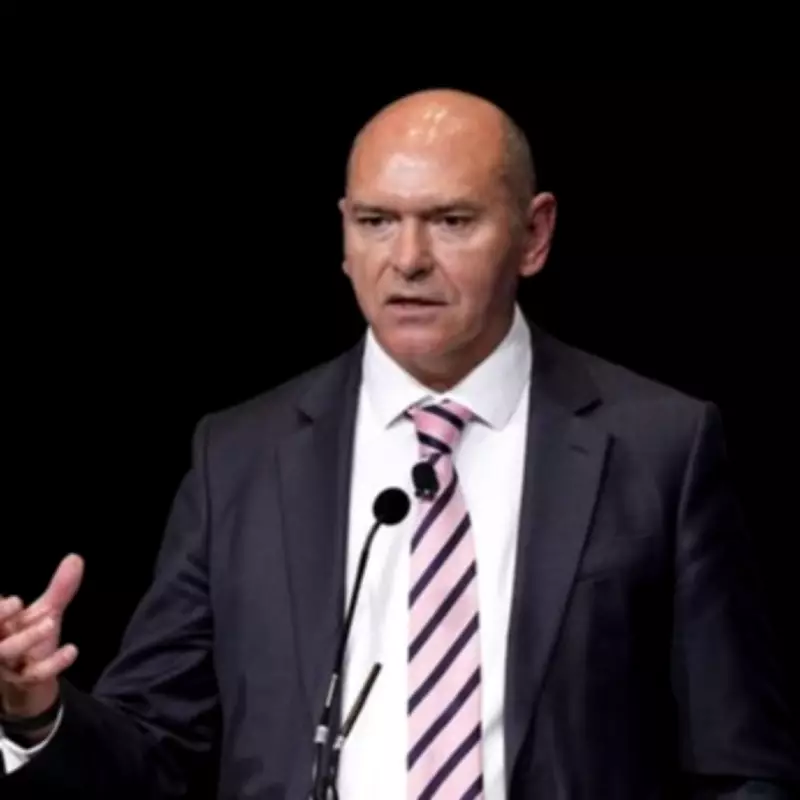
NHS England Head Issues Dire Warning Over Medication Supplies
The head of NHS England, Sir Jim Mackey, has delivered a stark warning that the United Kingdom could be merely "days away" from exhausting supplies of essential everyday medications, including aspirin and paracetamol. In a phone interview with LBC Radio, Sir Jim expressed that health bosses are "really worried" about the rapidly deteriorating situation.
Supply Chain Crisis Triggered by Middle East Conflict
The immediate cause of these severe supply concerns is the ongoing conflict in the Middle East, specifically Iran's blockade of the Strait of Hormuz. This critical maritime chokepoint disruption has severely impacted deliveries of pharmaceutical ingredients and finished products to the UK. The conflict has exacerbated pre-existing stock issues that UK pharmacies have been grappling with throughout the year.
"We've already had a couple of supply shocks in the last 12 to 18 months of key supplies," Sir Jim stated, highlighting the fragility of the current system. He confirmed that a dedicated team is now in place to "focus on where the risks might be through the supply chains."

Widespread Medication Categories at Risk
The potential shortage is not confined to common painkillers. Pharmacies have previously reported supply issues with a broad range of medications:
- Pain relief drugs, including aspirin, codeine, and paracetamol
- Antidepressants and Hormone Replacement Therapy (HRT) medications
- Cancer treatments, such as Efudix chemotherapy cream
When pressed on which specific drugs were most vulnerable, Sir Jim's response was alarming in its scope: "Well, everything, honestly – everything's at risk." He explained that while the NHS typically maintains "a few weeks" of supply for most products due to storage costs and perishability, for some items, reserves could dwindle to "days." Stock is held both centrally and locally across the health service.
Pharmacy Leaders Echo Concerns and Call for Government Action
Industry representatives have reinforced Sir Jim's warnings, describing medicine shortages as a "serious and growing threat." Henry Gregg, Chief Executive of the National Pharmacy Association, noted that while direct shortages linked to the conflict aren't yet widespread, pharmacies are witnessing "disturbing spikes in prices," which often serve as an early indicator of impending supply challenges.
Gregg criticised the long-term NHS strategy of driving down medicine prices, arguing it has left the UK "vulnerable in a global market" and contributed to the chronic problem of shortages. He called on the Government to protect physical supply routes and ensure the NHS is sufficiently funded to compete internationally.
Dr Leyla Hannbeck, Chief Executive of the Independent Pharmacies Association, issued a urgent plea for governmental intervention. Her proposed measures include:
- Immediately adding the 150 most at-risk medicines to the export ban list
- Appointing a dedicated medicines shortages Tsar to coordinate cross-government action
- Creating a national Critical Medicines List to protect essential treatments
- Formally recognising medicines shortages as a national security risk
"Pharmacies will continue to do everything possible to shield patients," Dr Hannbeck said, "but without urgent and meaningful support from the Government, there is only so much we can do with our hands tied behind our backs."
Government Response and Broader Economic Impact
In response to the escalating crisis, a Government spokesperson reiterated that established processes are in place to manage disruption across the health and social care sector. The official line maintains that the supply of medication is not currently under immediate threat, a stance that contrasts sharply with the urgent warnings from frontline health leaders.

The supply chain crisis extends beyond pharmaceuticals. Other sectors are also experiencing severe strain, with the price of fuel spiking across the nation as anxious consumers engage in panic-buying of petrol. This broader economic instability underscores the far-reaching consequences of the geopolitical tensions disrupting global trade routes.
The situation remains fluid, with NHS officials, pharmacy associations, and government bodies monitoring developments closely. The coming days will be critical in determining whether contingency plans can prevent the predicted shortages from materialising and affecting patient care across the United Kingdom.