
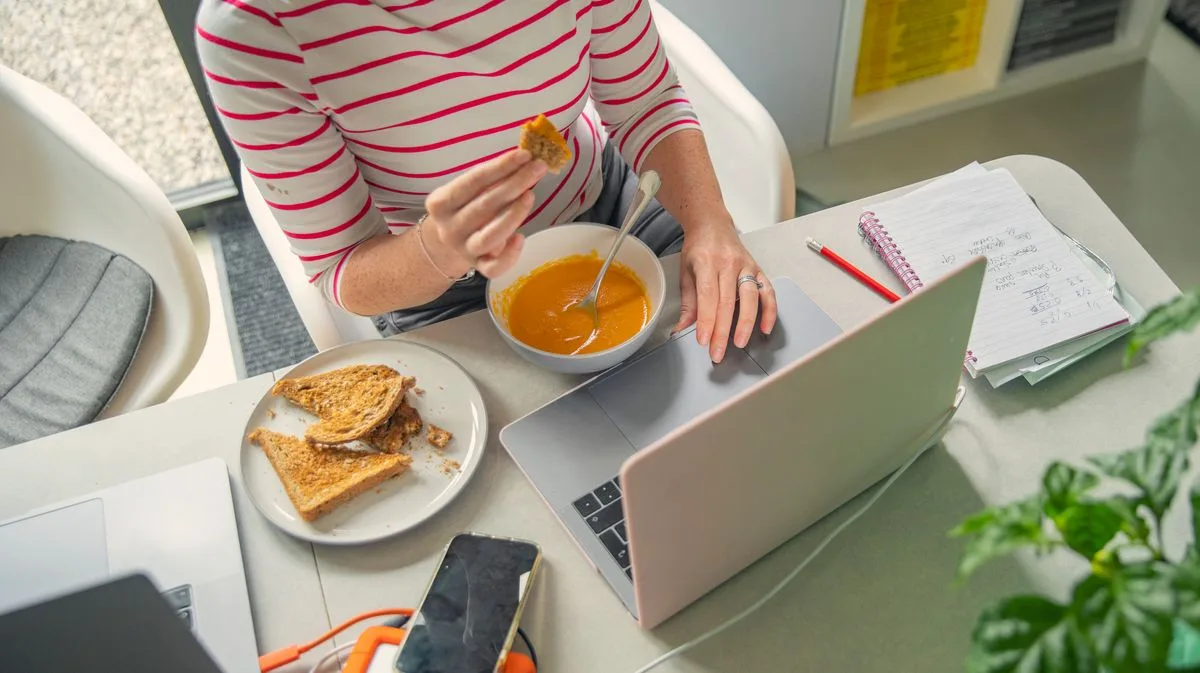
The NHS is urging Britons who enjoy soup for lunch to check its Better Health website for dietary advice, as some tinned options may contain high levels of salt, sugar, and saturated fat. While soup can be a healthy choice, homemade varieties are generally preferable to tinned ones, which often exceed recommended daily limits.
According to the NHS, it is easy to consume more sugar or salt than realised at lunchtime. The health body suggests swapping tinned soup, ham and cheese sandwiches, and split yoghurt pots for healthier alternatives such as plain natural yoghurt, sugar-free jelly, and fresh fruit. Cereal bars, muffins, crisps, and fizzy drinks are also on the list of items to limit.
The NHS warns that too much saturated fat raises cholesterol, increasing heart disease risk, while high sugar intake leads to obesity and tooth decay. Excess salt can cause high blood pressure, raising the risk of heart disease or stroke. Tinned soup brands vary greatly, and some contain over half the recommended daily sodium limit of 2,000mg per serving.
Health experts recommend opting for fresh, chilled soups, which are closest to homemade, and avoiding coconut- or cream-based varieties that are high in kilojoules and saturated fat. Homemade soup, such as the NHS-approved spiced chicken and vegetable soup, is a nutritious alternative.
The Eatwell Guide advises a balanced diet with plenty of fruits, vegetables, and whole grains. While tinned soup, muffins, and crisps can be enjoyed occasionally, moderation is key to maintaining good health.




