
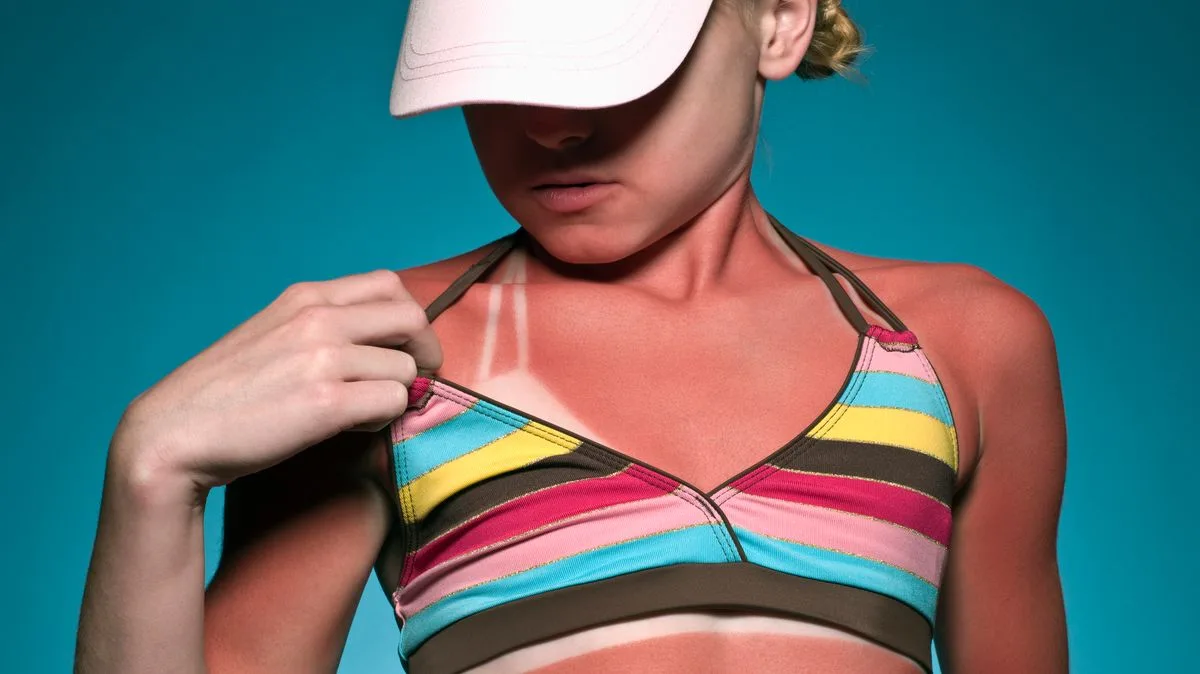
As temperatures in the UK are expected to reach 30°C on Wednesday, 26 June, many people will be heading outdoors. However, even high-factor sunscreen may not prevent sunburn if exposure is prolonged or reapplication is neglected. Sunburn can affect anyone, but those with fair skin and young children are particularly vulnerable.
The NHS advises that the first step after noticing sunburn is to get out of the sun immediately. Cooling the skin with a cool shower or damp cloth can help, followed by applying after-sun cream or spray. Painkillers such as paracetamol or ibuprofen may be used for stronger relief. It is also important to keep sunburnt skin covered from direct sunlight until fully healed.
Home remedies can be effective. A cool or lukewarm bath with a cup of whole oats can soothe inflammation. Dr Nisith Sheth of the British Skin Foundation confirmed that oats have anti-inflammatory properties. Staying hydrated before, during, and after sun exposure is also recommended; eating watermelon, which contains the antioxidant lycopene, can help. Aloe vera gel is another cooling and anti-inflammatory option.
However, certain treatments should be avoided. Vaseline or petroleum jelly can trap heat and worsen the burn. Ice or ice packs should not be applied directly to the skin, and blisters should not be burst. Tight clothing that may chafe the skin should be avoided, as should scratching or peeling shedding skin.
Severe sunburn can lead to heat exhaustion or heatstroke, so it is important to recognise when medical attention is needed. The NHS advises seeking help if symptoms such as dizziness, headache, or nausea occur.




