
Public satisfaction with the NHS has risen for the first time since the pandemic, according to the latest British Social Attitudes Survey, but experts warn that improvements are fragile and overall approval remains historically low. The survey, conducted between August and October last year, found satisfaction increased by five percentage points to 26%, up from a record low of 21% in 2024.
However, the uptick masks significant disparities across age groups and political affiliations. The King's Fund and Nuffield Trust analysis found that just 20% of under-35s said they were satisfied, compared with 35% of those aged 65 and over. Political divides were also stark: 33% of Labour voters and 35% of Liberal Democrat supporters expressed satisfaction, compared with only 20% of Reform UK backers.
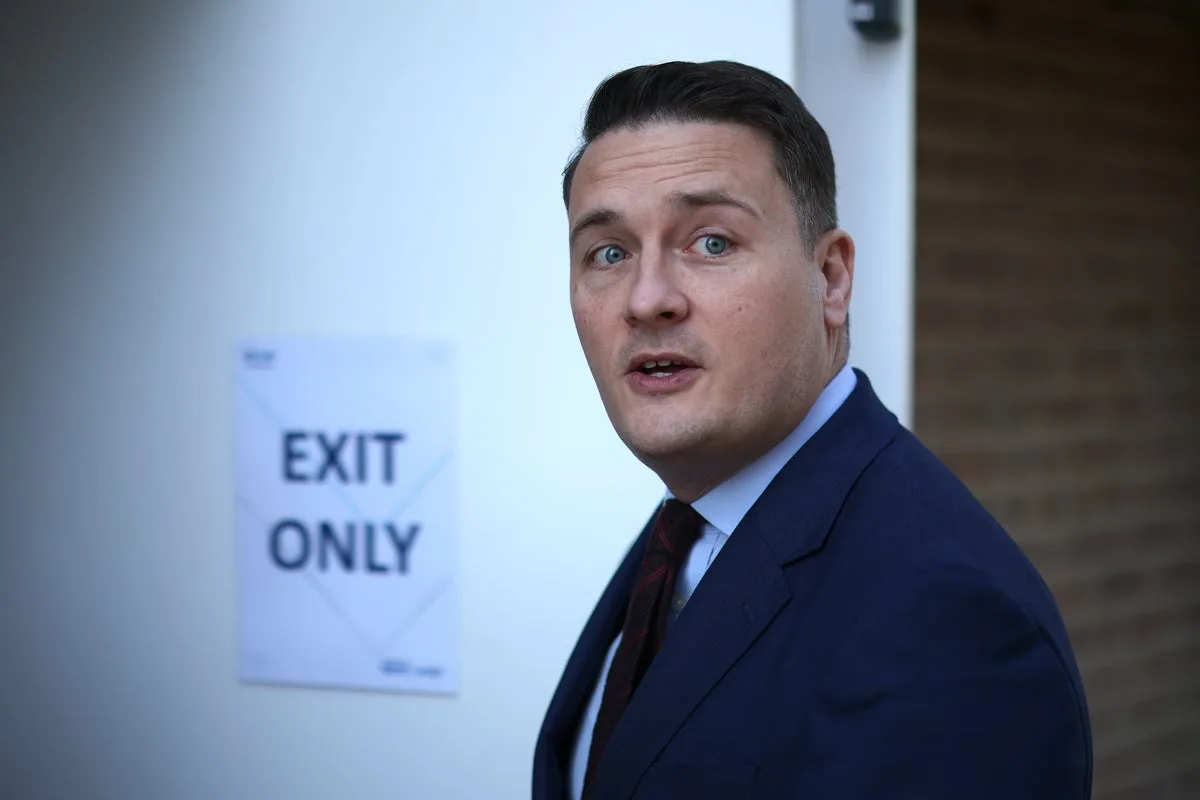
Health Secretary Wes Streeting welcomed the findings, saying, “When this government came to office, I said that, while the NHS was broken, it wasn’t beaten. Patients are beginning to feel the change and the NHS is showing that things can get better.” He cited falling waiting lists, improved A&E performance, and faster ambulance response times as evidence of recovery, adding, “The NHS is on the road to recovery, but there’s a lot of road ahead.”
Despite the overall rise, satisfaction with specific services such as A&E, GPs and dentistry showed no significant change year-on-year. Only 16% of respondents believed the standard of NHS care would improve over the next five years. Experts cautioned that the public remains largely unhappy with the service in 2025.
Bea Taylor, fellow at the Nuffield Trust, noted, “A stark generational divide remains, with older people still most likely to be optimistic about the health service.” She urged ministers to consider what could improve younger people’s perceptions. Dan Wellings, senior fellow at The King's Fund, called the rise “welcome relief” but stressed the recovery is fragile.
The survey also highlighted continuing support for the NHS’s founding principles, with 74% agreeing it should be available to everyone. However, this support varied by political allegiance, and just 14% expressed satisfaction with social care. The government has pledged to address “underperforming” NHS trusts, with Streeting saying his foot is “pressing down on the accelerator.”




