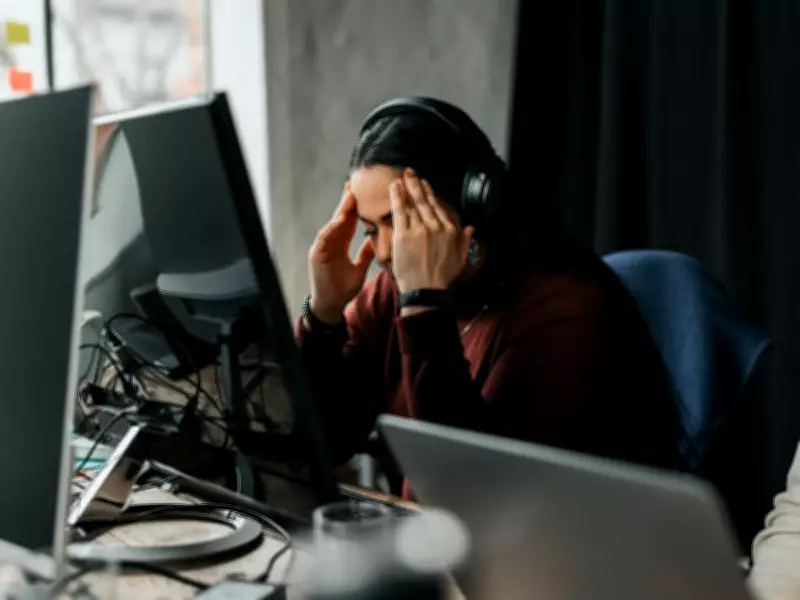
The latest guidance on the NHS website advises that people who experience headaches at the same time each month may need to consult a general practitioner. While anyone with health concerns should always seek medical advice, the health authority has published specific recommendations for those who may not realize their symptoms could indicate an underlying condition.
Understanding Menstrual Migraines
According to the NHS website, individuals who menstruate may experience menstrual migraines that coincide with the start of their period. The NHS explains: "Menstrual migraines are very painful headaches that happen around the time of your period. They usually happen around two days before your period starts, or during the first three days of your period. They're linked to changing levels of hormones and can be more painful than other types of migraine. Most women who get menstrual migraines also get migraines at other times."
Seeking Medical Advice
The NHS recommends that those experiencing menstrual migraines should see a GP, as there are medicines that can help. The health service also directs individuals to The Migraine Trust for further information.

The Migraine Trust notes that menstrual migraine is very common. The charity explains: "Menstrual migraine attacks tend to be longer and more severe compared with migraine attacks at other times. As well as head pain, you may be more likely to feel or be sick, and to have sensitivity to light or sounds. Menstrual migraine attacks are more likely to be without aura, even if you get migraine with aura at other times of the month. Migraine attacks linked to periods may also be more difficult to treat."
Treatment Options
While these migraine attacks may be more difficult to treat, a doctor might recommend acute medicines to treat an attack and preventative medicines to reduce the frequency. In some cases, a doctor may suggest contraception or hormone supplements to help alleviate symptoms.
The charity states that attacks usually occur from around two days before the start of a period through the third day of a period, though the duration can vary.
Managing Triggers
The guidance continues: "Migraine attacks tend to result from a combination of several different triggers. It's not always possible to identify exactly what these are. But not drinking enough, disturbed sleep, and irregular or missed meals are common triggers. These may all increase your risk of a migraine attack, even in menstrual migraine. If you have migraine linked to your periods, it's worthwhile taking extra care to manage other migraine triggers around this time."