

NHS Staff Sickness Crisis Deepens as Mental Health Absences Soar by 42%
The National Health Service is facing an unprecedented staff sickness crisis, with employees taking a staggering 7.9 million days off last year due to mental health problems, stress, anxiety and depression. This represents a dramatic 42 per cent increase since the beginning of the pandemic in 2020.
Triple the National Average
Since 2019, the health service has lost over 151 million days to sickness absence – a rate that is triple the national average. Medical professionals who once prided themselves on devotion to their calling are now three times as likely to be off sick compared to pre-pandemic levels.
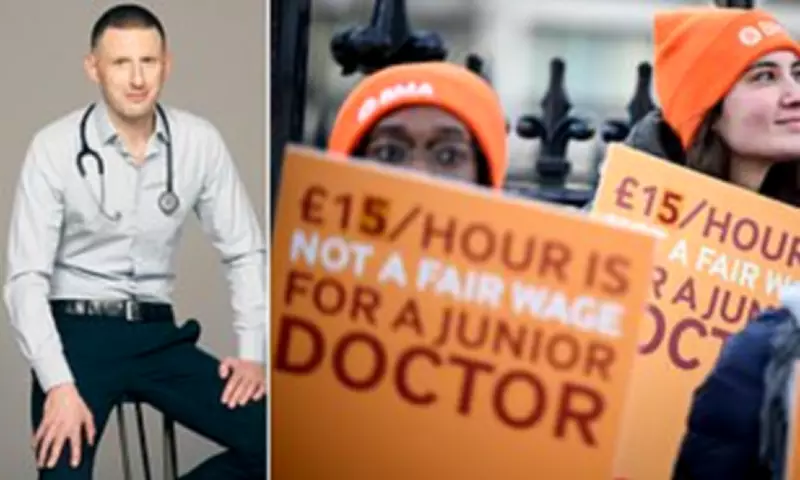
The situation has been exacerbated by ongoing industrial action, with resident doctors striking for the fifteenth time since 2023. This industrial action places additional pressure on colleagues already struggling with overwhelming workloads and burnout.

Union Staff Join Strike Action
In a remarkable development, union staff at the British Medical Association headquarters have also downed tools. Hundreds of BMA employees walked out over pay last week and are striking again today, simultaneously with the resident doctors they represent.
This creates a paradoxical situation where the union that has spent three years demanding fair pay for NHS doctors appears to have a different approach when managing its own employees.
Cascading Impact on Healthcare Teams
Every strike action places additional strain on those left covering services, burning through what little resilience remains in an already buckling system. The frontline staff bearing the brunt include:
- Nurses working extended shifts
- Porters managing increased patient movement
- Receptionists handling frustrated patients
- Support staff stretched beyond capacity
Financial Consequences and Training Cuts
The financial picture is equally concerning. The NHS has become so desperate for staff during strikes that consultants across the country are being offered up to £269 per hour to cover shifts – far exceeding average daily salaries.
Vast sums are being drained from a service with already limited resources. Training posts have been scrapped to fund strike cover, meaning future doctors are not receiving the training places they need due to this seemingly endless dispute.
Patient Impact and Systemic Disintegration
For healthcare professionals confronting the consequences daily, the situation feels like slow disintegration:
- Staff leaving the profession in increasing numbers
- Posts left empty or deleted due to budget constraints
- Patients facing repeated appointment cancellations
The poorest patients suffer most significantly, with no option for private healthcare and no alternative to lengthening waiting lists, receiving only cancellation letters as their appointments are repeatedly postponed.
Understanding Junior Doctors' Position
There is genuine sympathy for resident doctors, who are bright, dedicated professionals who have watched their pay erode in real terms for over a decade. Their frustration is not manufactured, and most qualify with debts approaching £100,000 after paying full tuition fees for most of their training.
However, this generation of resident doctors receives study leave, time off around night shifts, and pension benefits that most workers could only imagine. Once fully qualified, consultants and GPs can supplement already generous salaries with private work.
A Proposed Solution
A potential solution requires imagination and long-term thinking. Medical students could have their entire training funded by the state, free of fees and debt. In return, they would commit to working within the NHS for a stipulated period, perhaps 15 years.
Those breaking this obligation would need to repay the training costs. This approach could:

- Keep more doctors working in Britain
- Stem the haemorrhage of talent moving abroad
- Restore the psychological bond between the profession and the public it serves
Pay Increases and Public Perception
Resident doctors have already received pay rises totalling almost 29 per cent over the past three years. The government's most recent offer, which the BMA committee rejected without a membership vote, would have provided an average 4.9 per cent increase this year.
Many doctors are reportedly appalled by their trade body's actions. The BMA has depleted an enormous reservoir of national goodwill that individual doctors built up during the pandemic, often at significant personal cost. Genuine, hard-won respect has been largely replaced by public weariness – a development many healthcare professionals find truly disheartening.





