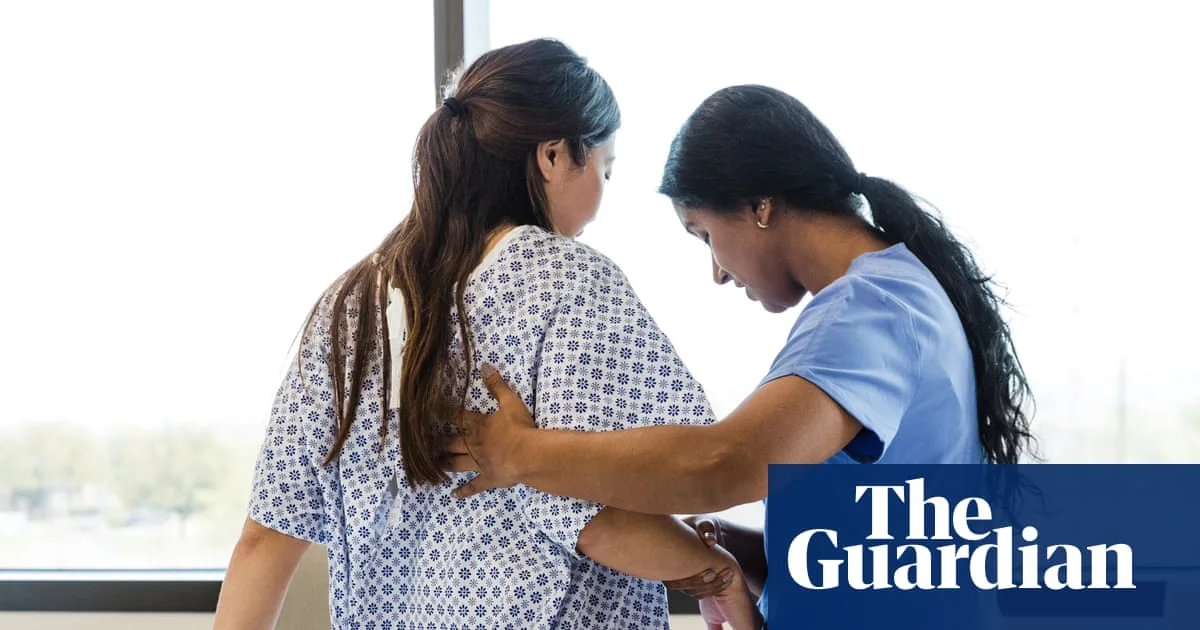
NHS 'Medical Misogyny' Exposed: Two-Thirds of Women Report Dismissed Pain
NHS Medical Misogyny: Women's Pain Dismissed, Survey Reveals

NHS Faces Scrutiny Over 'Medical Misogyny' as Women Report Dismissed Symptoms

Health Secretary Wes Streeting has acknowledged that "medical misogyny" within the UK's National Health Service is failing women, following a damning survey from Mumsnet. The report, based on data from the past decade, reveals that half of female patients believe they have been dismissed or ignored by medical professionals because of their sex, highlighting deep-seated structural issues in healthcare.

Survey Findings Paint a Grim Picture

The Mumsnet survey, which analysed nearly 100,000 posts from 2015 to 2025, uncovered alarming statistics about women's experiences in the NHS:

  • 50% of women feel they have been dismissed, ignored, or not believed by NHS staff due to their gender.
  • 64% report being explicitly told their pain or symptoms were "normal" or "in their head."
  • 68% believe the NHS does not take women's health concerns seriously, with many describing a pattern of "dismissal, disbelief, or deprioritisation."

Justine Roberts, founder of Mumsnet, stated, "For more than a decade, women on Mumsnet have described the same pattern: pain minimised, symptoms dismissed and a constant need to fight simply to be heard."

Wide Pickt banner — collaborative shopping lists app for Telegram, phone mockup with grocery list

Personal Stories Highlight Systemic Failures

The report includes harrowing accounts from women who faced delays and dismissals in their medical care. One woman with adenomyosis and severe endometriosis, living in near-constant pain, was told by doctors for years that "period pain is normal, you may have a low pain threshold." Another waited 22 years for a diagnosis of pelvic pain, stating, "I haven't been able to have intercourse for years due to the pain it caused."

In a particularly egregious case, a woman who reported a "burning band of pain" around her uterus was advised she "seemed very emotional" and should consider counselling. These examples underscore how medical misogyny can lead to severe consequences, such as one woman who lost two fallopian tubes, an ovary, and part of her bowel while waiting for endometriosis surgery, lamenting that earlier intervention could have preserved her fertility and bowel function.

Government Response and Calls for Reform

Ahead of the imminent publication of a women's health strategy, announced in 2022, Streeting admitted the NHS has let women down "too often and for far too long." He emphasised efforts to drive change through increased funding, menopause support, community-based health services, and the introduction of Martha's rule, which grants patients the right to an urgent second opinion.

"Medical misogyny has no place within our NHS," Streeting declared. "It was founded on the principles of equality, yet time and time again, women are ignored and not believed. I want women across the country to know we're going to tackle this."

Historical Context and Ongoing Challenges

The issue is not new; a 2021 House of Lords report cited multiple studies showing poorer health outcomes for women, and a 2020 government inquiry linked an arrogant culture that dismisses complications as "women's problems" to decades of healthcare scandals. Mumsnet's report, released on International Women's Day, calls for urgent reforms, including mandatory training on sex-specific bias for all health professionals, an end to the routine normalisation of women's pain, and the establishment of women's health hubs in each of England's 42 NHS regions.

Roberts added, "Few examples capture medical misogyny more clearly than the expectation that women should tolerate severe pain during gynaecological procedures. No woman should be expected to endure avoidable pain as the price of care." She stressed that while politicians have acknowledged the problem, "acknowledgment without reform does nothing," and delays continue to erode trust and harm women's health.

Pickt after-article banner — collaborative shopping lists app with family illustration




