
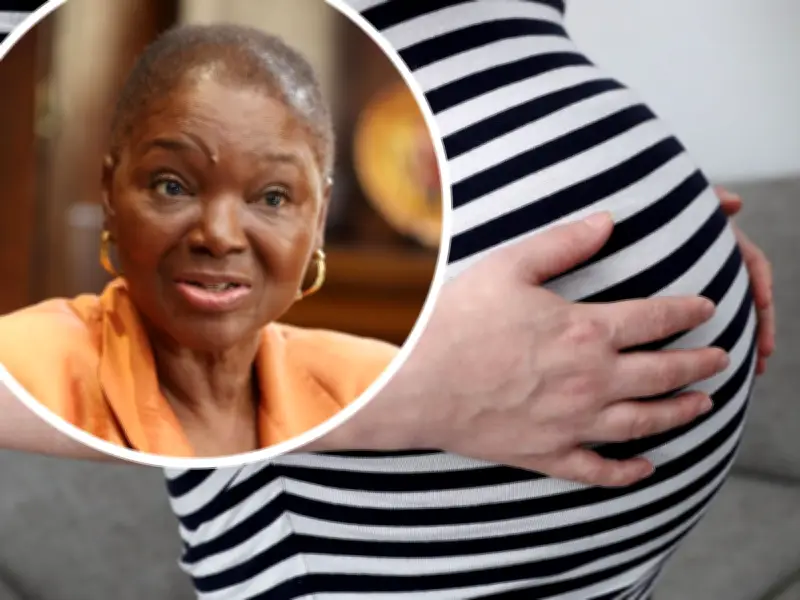
The UK government has announced the appointment of a national maternity commissioner in response to Baroness Valerie Amos's rapid review of NHS maternity services, which uncovered widespread failures in care. However, bereaved families and campaign groups have voiced strong opposition, calling the move 'fundamentally dangerous' and arguing that the review failed to address core issues.
Key Findings of the Amos Review
Baroness Amos's investigation, which gathered views from over 450 families and 10,500 public responses, identified systemic problems including women not being listened to, racism and discrimination, fragmented services, and a lack of accountability. The review visited 12 NHS trusts with poor maternity records and received contributions from more than 9,000 staff. It found that services were not designed to ensure consistent safety, resulting in 'avoidable harm and lifelong trauma'.
Specific concerns included women being dismissed when raising concerns, inadequate anaesthetic blocks during caesarean sections, and racial slurs on wards. One Muslim patient was asked 'why are you wearing this?' while a Jewish patient was told 'Jewish people are sneaky'. The review also highlighted that staff were ignored or dismissed when raising concerns, and that trust leadership often prioritized reputation over learning from mistakes.
Government Response and Commissioner Role
Health Secretary James Murray said: 'For too long, women, babies and families have been failed by a system that didn’t listen. Their stories are heartbreaking and demand action. Appointing the UK’s first ever maternity and neonatal commissioner will drive lasting change and make sure women and families are never ignored again.' The commissioner will be accountable to Parliament and focus on improving safety and care standards.
The government also committed to publishing a national action plan on maternity in December, rolling out a perinatal equity and anti-discrimination programme, and creating 1,000 temporary roles for newly-qualified midwives with over £10 million in funding.
Criticism from Campaign Groups
The Maternity Safety Alliance, which includes bereaved families, condemned the recommendation, stating: 'The recommendation for a maternity commissioner in the format proposed by Baroness Amos is fundamentally dangerous, concentrating power and responsibility in one pair of unaccountable hands. This person will not be meaningfully independent and will not be able to create real change.' The group also criticized the review for failing to analyze regulators like the GMC and NMC adequately, and for not determining the extent to which 'normal birth ideology' contributed to harm.
The Birth Trauma Association described the review as 'disappointing for families' and a 'huge missed opportunity'.
Dispute Over Normal Birth Ideology
The Health Service Journal reported that Dr. Bill Kirkup, chairman of inquiries into maternity scandals at Morecambe Bay and East Kent, resigned as expert adviser to the review due to a dispute over 'normal birth ideology'. He wanted a stronger line on patient safety consequences than Baroness Amos would agree to. Lady Amos stated in her review that they 'did not find that 'normal birth ideology' was currently widespread in the maternity services we visited in England.'
Recommendations for Change
The review called for clear minimum national safety standards, effective governance, and improved triage systems. Within a year, a national standard for good triage should be introduced, and all maternity units must have dedicated triage staff trained in rapid assessment. Lady Amos said if triage improved, 'lives will be saved and harm reduced.' The report also emphasized that families should be offered a full explanation when death or harm occurs, and that there is an 'imbalance of power between trusts and families'.
The government and regulators must treat racism and discrimination as a critical safety issue, and the CQC should improve regulatory oversight of maternity services.
Context of Recent Inquiries
The Amos review comes less than a week after an inquiry into Nottingham University Hospitals NHS Trust found more than 500 mothers and babies suffered avoidable harm or died due to 'deeply embedded systemic failures'. The trust knew of serious issues for years but failed to act.
Baroness Amos described hearing 'heartbreaking cases' and said the 'emotional toll and cost to families is indescribable'. She added: 'Women, babies and families deserve maternity and neonatal care that is safe, compassionate and equitable wherever they live.'




