
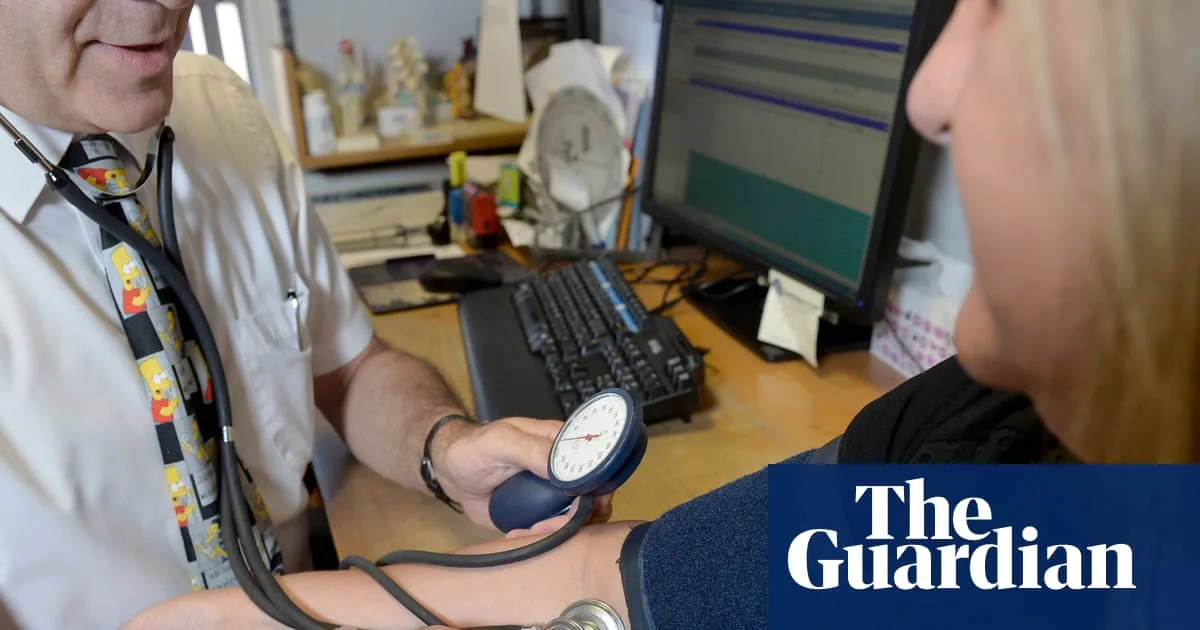
The NHS health check programme in England is set to incorporate questions about the menopause for the first time, ministers have announced. This change, expected to take effect from 2026, aims to support an estimated 5 million women aged 40 to 74 who are eligible for a free check every five years.
The checks are designed to identify those at higher risk of conditions such as heart disease, kidney disease, type 2 diabetes, dementia and stroke. Health Secretary Wes Streeting said the move would give women “the visibility and support they have long been asking for”, adding that many have been “suffering in silence” and “left to navigate menopause alone”.
Around three-quarters of women experience menopausal symptoms, including hot flushes, night sweats, depression and sleep problems, with a quarter describing them as severe. National guidance recommends hormone replacement therapy (HRT) as a first-line treatment, which can also help maintain muscle strength and prevent osteoporosis.
Experts have welcomed the announcement but stressed the need to improve awareness and access to health checks, particularly among diverse ethnic communities and deprived areas. Professor Ranee Thakar, president of the Royal College of Obstetricians and Gynaecologists, described it as “fantastic news” but called for targeted efforts to ensure all women benefit.
Kate Muir, author of a book on the menopause, highlighted that only 5% of black and 6% of Asian women are on HRT compared to 23% of white women, and hopes the new questions will “open doors” to evidence-based information. The chief executive of Wellbeing of Women, Janet Lindsay, urged healthcare professionals to work with grassroots organisations to reach marginalised groups.




