An NHS general practitioner has openly discussed why patients might receive varying diagnoses or treatment recommendations when consulting different doctors, urging the public to avoid "blindly trusting" medical opinions without question.
The Reality of Medical Judgment
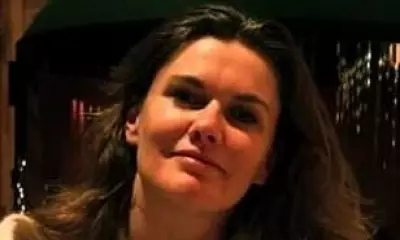
Dr Leen Tannous, a London-based GP who also works in private healthcare, shared her insights on social media, noting that while it "might sound strange," she does not always automatically trust medical advice regarding her own health. She highlighted that medicine is not always a straightforward science.
"The reality is that if you see two doctors from the same specialty, you might sometimes get two different theories about your diagnosis… or even different treatment plans," Dr Tannous explained. "And that can be really confusing for patients."

Why Diagnoses Can Differ
According to Dr Tannous, the variation in diagnoses stems from several factors. Symptoms often overlap between multiple conditions, making it challenging to pinpoint a single cause. Additionally, many clinical decisions involve a degree of professional judgment, which can be influenced by a doctor's personal experiences and areas of specialist interest.
"Symptoms overlap between many conditions, and a lot of clinical decisions involve judgement," she said. "Naturally, all doctors have had different experiences and specialist interests in certain areas, which can potentially cloud judgement and their perspective can vary."
Building Informed Trust in Healthcare
Dr Tannous emphasized that what defines a "good doctor" is not infallibility but the ability to communicate effectively with patients. She advocates for doctors who explain their reasoning, provide options, and involve patients in decision-making processes, rather than expecting unquestioning trust.
"Of course knowledge and experience matter a lot but even doctors make mistakes," Dr Tannous acknowledged. "I’ve even had situations where I saw a doctor myself and had to correct something that was said because it wasn’t accurate."
She reiterated her core message: "So no, I don’t think we should trust doctors blindly. But we should build informed trust with doctors who listen, explain, and involve you in decisions."
Support from Fellow Medical Professionals
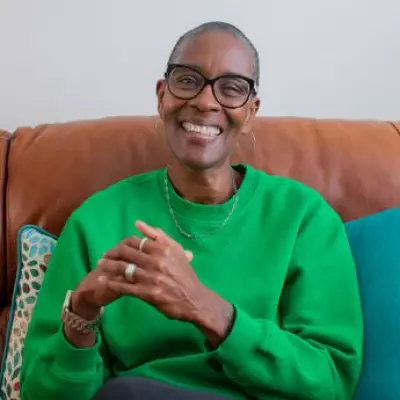
Other doctors have praised Dr Tannous for her honesty and echoed her sentiments. Dr Indra Barathan responded, stating that healthcare providers must remember their own biases can affect how they interpret patient information.
"Well said, we need to also remember we have our own view of the world that can affect what we hear from the patient," Dr Barathan noted. "Also without realising it we also may hear something different from the same patient."
Dr Aneka Patel concurred, adding that doctors have a significant impact on patients' lives and must approach consultations with empathy and transparency.
"We have so much effect on patient’s lives that when they come to see us it’s inevitable they will feel anxious, hesitant, or may have had poor previous experiences," Dr Patel wrote. "I feel it’s our duty to listen, empathise, but also admit when we don’t know or any errors are made and communicate this clearly, and I feel as a result of this over time it helps build trust."
Clarifying the Intent Behind the Message
Dr Tannous closed by stressing that her goal is not to foster mistrust in doctors but to promote a more collaborative and transparent patient-doctor relationship.
"That’s the last thing I want," she said regarding creating distrust. "It’s a conversation I had recently with my non-medic friends and thought I’d share."
Her remarks underscore the complexities of modern healthcare, where building a foundation of informed trust through open dialogue and shared decision-making is crucial for effective medical outcomes.