

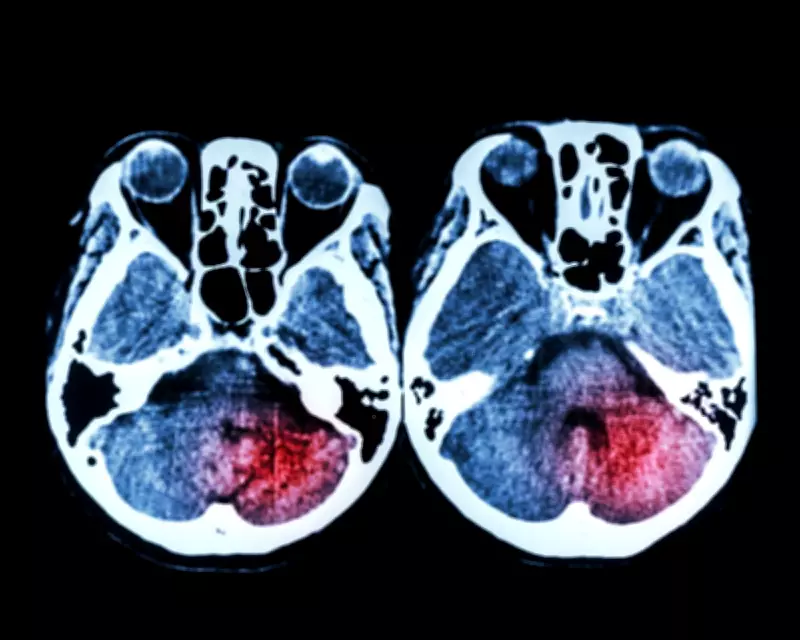
NHS Stroke Treatment Gap Leaves Patients at Risk Across England
More than 100,000 individuals in the UK suffer a stroke each year, with 38,000 fatalities and many survivors facing life-altering disabilities that strip away their independence. This stark reality underscores the critical need for timely medical interventions.
Key Stroke Therapy Not Available Around the Clock
Exclusive reports reveal that seven of England's 24 regional stroke centres are failing to provide mechanical thrombectomy on a 24/7 basis, despite repeated ministerial assurances. This clot removal technique, hailed by doctors as a game-changing treatment, can prevent severe disability if administered promptly after a stroke.
The NHS was anticipated to enhance stroke care by ensuring universal access to mechanical thrombectomy across England starting 1 April. However, staffing shortages, including a lack of doctors and specialist nurses, have hindered this rollout in centres located in Hull, Middlesbrough, Leeds, Sheffield, Newcastle, Brighton, and Coventry.

Postcode Lottery in Access to Life-Saving Care
Dr. Sanjeev Nayak, a stroke specialist at the Royal Stoke hospital, highlighted the disparity: "A patient presenting during normal working hours in a well-served area may receive rapid, life-changing treatment, whereas the same patient presenting at night or in a different region may not receive thrombectomy at all. This creates a real postcode lottery in access to one of the most effective treatments in modern medicine."
While seventeen centres already offer round-the-clock thrombectomy, the failure to extend this service universally means patients in underserved areas face avoidable severe disabilities or death, particularly during evenings, weekends, or overnight hours.
Government Promises and Funding Fall Short
NHS Minister Karin Smyth confirmed as recently as 23 March that the health service aimed to achieve 24/7 thrombectomy access across England by the start of April. NHS England allocated additional funding, including £14 million in targeted support, to facilitate service expansion and staff training.
Alexis Kolodziej, deputy chief executive of the Stroke Association, expressed concern: "It's deeply troubling that access to thrombectomy remains dependent on the time of day and the area in which you live, with around-the-clock access being simply impossible for some patients in parts of the UK. The government's failure to deliver on its promise leaves patients at a significant disadvantage."
Impact on National Health Goals and Patient Outcomes
Thrombectomy, a minimally invasive procedure where doctors remove clots via catheter, is crucial for severe strokes caused by blocked brain arteries. The NHS invests over £100 million annually in this treatment, viewing it as vital to reducing the 113,000 avoidable deaths from major conditions like heart disease and cancer in England.
Dr. Nayak noted that while progress has been made, "the concern is that without consistent 24/7 access across all regions, some patients will face critical delays or miss the opportunity for thrombectomy altogether."
In response, NHS England acknowledged it has not yet met its universal access goal but emphasized it remains a priority. A spokesperson stated: "We are working directly with trusts and integrated care boards to further improve access for all patients as soon as possible."
This ongoing shortfall highlights systemic challenges in healthcare delivery, urging swift action to bridge the treatment gap and save lives across the nation.






