
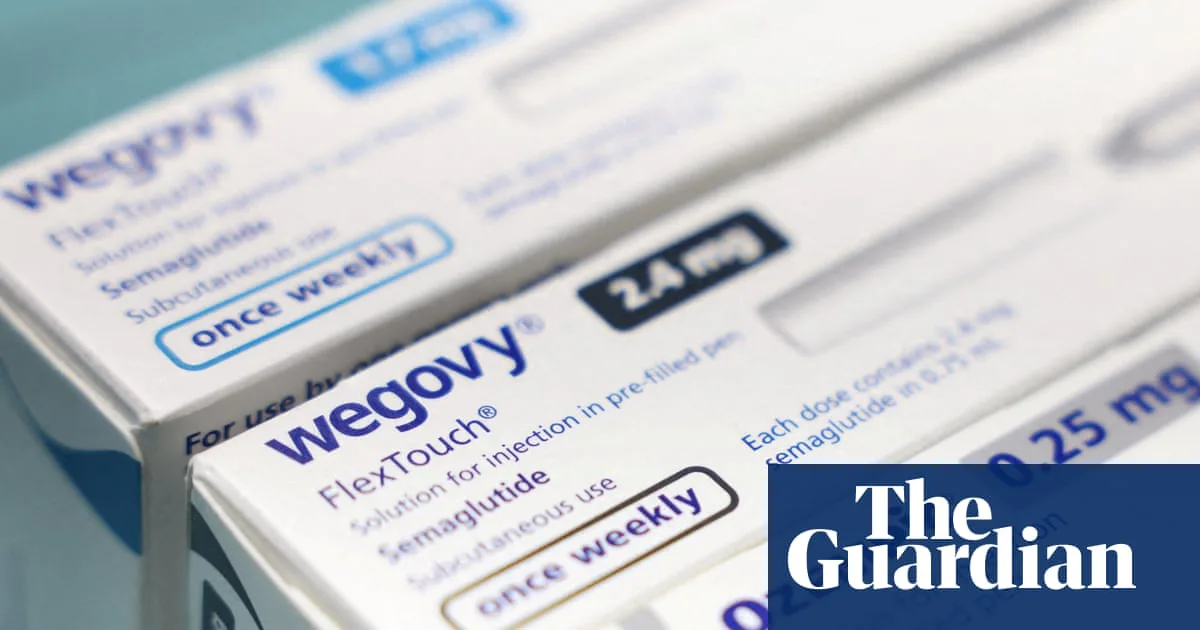
The NHS in England is set to expand access to the weight-loss drug semaglutide, sold as Wegovy, to more than one million people who are overweight and at risk of serious cardiovascular events. The move follows draft guidance from the National Institute for Health and Care Excellence (Nice) recommending the weekly injections for those with a body mass index (BMI) of 27 or above who have previously had a heart attack, stroke, or serious circulation problems in their legs.
Semaglutide is already available on the health service for some people living with obesity and for treating type 2 diabetes under the brand name Ozempic. However, the new recommendation is specifically aimed at preventing heart attacks and strokes, not just promoting weight loss. The treatment will be offered as an addition to existing medications such as statins, alongside a reduced-calorie diet and increased physical activity.
Clinical trials, including a major study led by University College London (UCL), have shown that semaglutide reduces the risk of heart attack, stroke, or cardiovascular death by 20%. Researchers noted that this benefit was apparent before significant weight loss occurred, suggesting the drug has a direct effect on the heart and blood vessels, not solely through weight reduction.
Helen Knight, director of medicines evaluation at Nice, described the evidence as “compelling” and said the decision gives people who have already experienced a cardiovascular event an extra layer of protection. Helen Williams, NHS England’s clinical director for cardiovascular disease prevention, called the treatment “life-changing” for over a million people, while health minister Sharon Hodgson described it as a “gamechanger” that could be a “lifesaver”.
The Nice guidance is still draft, but NHS officials said eligible patients should be able to access the drug within months. The British Heart Foundation’s clinical director, Dr Sonya Babu-Narayan, said semaglutide had proven benefits beyond weight loss, and Professor Naveed Sattar of the University of Glasgow welcomed the news as stemming from high-quality trial evidence.




