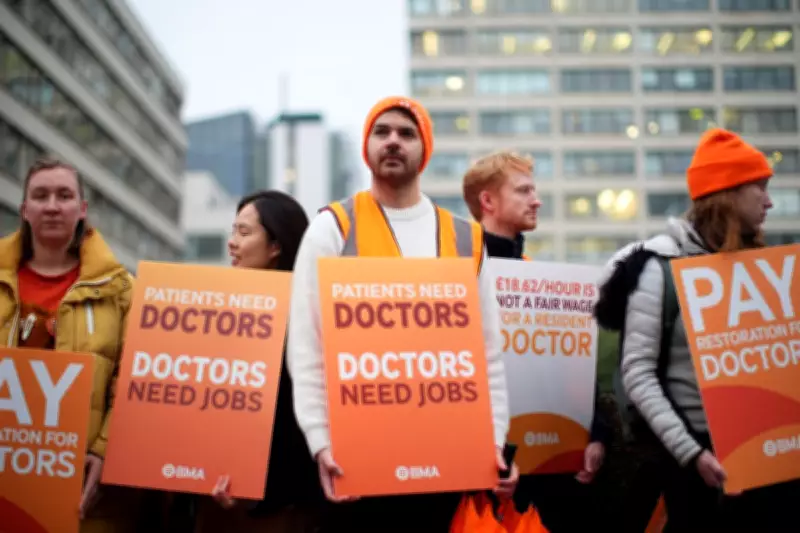
The Prime Minister has issued a stark warning to resident doctors, threatening to withdraw thousands of NHS training posts if a six-day strike proceeds after Easter. Sir Keir Starmer set a 48-hour deadline for the British Medical Association (BMA) to reconsider a pay offer of up to 7.1 per cent, which has been rejected as insufficient against inflation.
Pay Dispute Escalates Amid Inflation Concerns
Dr Jack Fletcher, chair of the BMA resident doctors committee, accused the government of shifting negotiation terms and expressed a commitment to continue talks for a meaningful outcome. The BMA is demanding a 26 per cent pay rise to restore salaries to 2008 levels, citing the erosion of earnings due to inflation and mounting medical student debt.
Comparative Salary Analysis
Current salaries for resident doctors start between £38,831 and £44,439, a figure that has sparked comparisons with other public service workers and doctors in other countries. The impact of inflation has significantly reduced real wages, making the proposed 7.1 per cent increase inadequate in the eyes of medical professionals.

NHS England boss has confirmed that the pay offer will be withdrawn if a strike agreement is not reached, heightening tensions in the healthcare sector. This standoff comes at a critical time, with the NHS already facing staffing shortages and increased patient demand.
Global Context and Future Implications
The article highlights how UK resident doctors' earnings compare unfavorably with their international counterparts, further fueling discontent. The potential loss of training posts could exacerbate long-term workforce challenges, affecting patient care and medical education.
As negotiations continue, the outcome will have profound implications for NHS sustainability and the morale of healthcare workers across the nation.