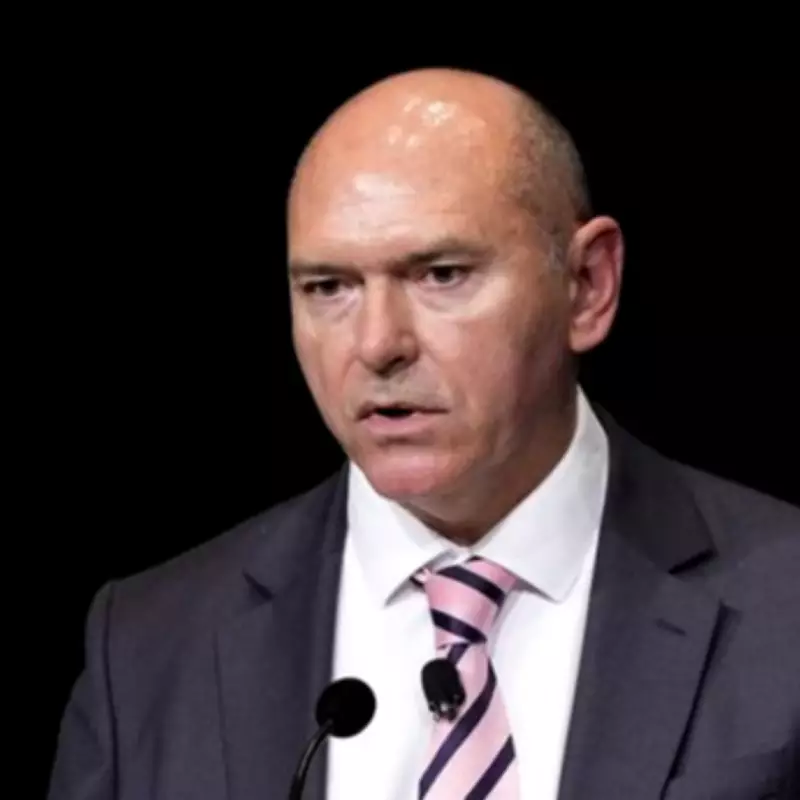
NHS England chief executive Sir Jim Mackey has launched a scathing attack on the British Medical Association, accusing doctors of deliberately timing their ongoing six-day strike to cause maximum disruption across the health service. The industrial action, which began on Tuesday morning, represents the 15th walkout by resident doctors since 2023 and coincides with the Easter school holidays when many NHS staff had already booked annual leave.
Deliberate Timing Condemned
In a strongly worded letter to hospital leaders sent on Tuesday evening, Sir Jim stated unequivocally that "this action has been deliberately timed to cause havoc." He acknowledged the immense pressure on staff who are covering for striking colleagues, particularly following the busy Easter weekend period. Despite these challenges, Sir Jim reported that hospitals were managing to maintain services at a reasonable level after the first day of action.
Patient Care Concerns
Health leaders are urgently appealing to patients not to delay seeking medical attention during the strike period. NHS England has issued clear guidance that patients should attend planned appointments unless specifically contacted to reschedule. General practitioner practices, NHS 111 services, and urgent emergency care facilities remain operational throughout the industrial action.

Professor Ramani Moonesinghe, National Clinical Director for Critical and Perioperative Care at NHS England, emphasized: "Staff across the NHS will be doing everything they can this week to keep patients safe and ensure people can continue to get the care they need. The NHS remains open for you this week – as ever, please call 999 or come to A&E in an emergency."
Financial and Operational Impact
The ongoing dispute has now reached its 60th day of strike action since beginning under the previous Conservative government. NHS estimates indicate the industrial action costs approximately £50 million daily for staff cover and rescheduled operations. The total financial impact of doctors' strikes has now surpassed £3 billion according to recent calculations.
Despite the significant disruption, recent strikes have seen the health service manage to complete approximately 95% of planned appointments. Hospital trusts are implementing special measures to protect priority treatments including urgent surgical procedures and cancer care pathways.
Public Opinion and Political Context
New polling data from YouGov reveals that 55% of British adults oppose resident doctors going on strike, with only 37% expressing support for the industrial action. The survey of 4,385 adults across Britain highlights the complex public sentiment surrounding the prolonged dispute.
Health Secretary Wes Streeting has defended the government's offer to resident doctors, claiming the overall package would have resulted in an average pay increase of 4.9%. The proposed deal included reimbursement for examination costs and the creation of an additional 1,000 medical training positions. However, the British Medical Association's resident doctors committee rejected the offer without putting it to a membership vote.
Pay Dispute Fundamentals
Resident doctors, those below consultant level, are protesting against what they describe as significant pay erosion since 2008. The British Medical Association contends that real terms pay has decreased by approximately one-fifth over this period when measured against the retail price index. With current RPI inflation running at 3.6%, doctors argue that the government's headline offer of 3.5% for 2026/27 represents another real-terms pay reduction.
Dr Jack Fletcher, chair of the BMA's resident doctors committee, explained their position: "What the Health Secretary is asking us to reconsider now is essentially will you bake in more real terms pay cuts, not just this year, but for future years? We can't accept further real terms pay cuts."
Broader NHS Pay Context
The doctors' dispute occurs against a backdrop of wider public sector pay settlements. Most other NHS staff, including nurses and midwives, have been offered increases of 3.3% for the 2026-27 period. Similarly, approximately 1.5 million council workers have received pay awards of 3.3%. This broader context adds complexity to the negotiations between the government and medical professionals.

As the six-day strike continues, NHS leaders remain focused on maintaining essential services while managing the significant operational and financial pressures created by the industrial action. The timing during school holidays and following a major holiday weekend has created particular challenges for hospital rotas and staffing arrangements across England's health service.