
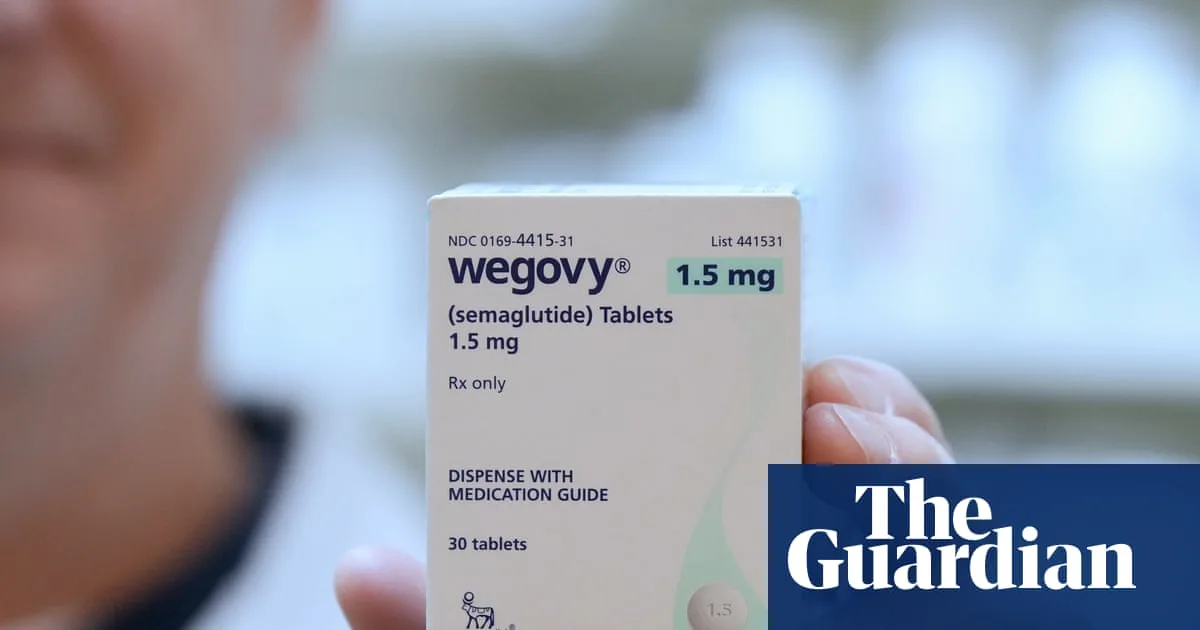
The Medicines and Healthcare products Regulatory Agency (MHRA) has approved the Wegovy weight-loss pill, making it the first GLP-1 receptor agonist tablet for weight loss authorised in the UK. The decision means eligible patients can obtain the medication via a private prescription, with the UK becoming the third country to approve the pills, following the US and the United Arab Emirates.
Previously, patients in the UK had to use the injectable form of the drug, which contains semaglutide. The tablets are approved for adults with a body mass index (BMI) of 30 or above, or those with a BMI of 27 to 30 who have at least one weight-related health condition. Clinical trials showed that patients on the highest dose lost 14-17% of their body weight after 64 weeks.
New patients will start on a 1.5mg dose, increasing to 4mg, 9mg and 25mg, with at least one month at each level. Those already receiving private treatment with weekly 2.4mg Wegovy injections may switch directly to 25mg tablets taken once daily, if suitable, the MHRA said. The tablets must be swallowed whole with a sip of water on an empty stomach, after fasting for at least eight hours, and patients should avoid food or drink for at least 30 minutes afterwards.
The most common side effects are gastrointestinal disorders, including nausea, diarrhoea, constipation and vomiting. The MHRA advised anyone experiencing side effects to consult their doctor, pharmacist or nurse and report them via the Yellow Card scheme. Wegovy tablets are not yet approved by the National Institute for Health and Care Excellence (NICE), so they will not be available on the NHS, and prices have not been confirmed. Private prescriptions for Wegovy injections typically cost £90-£300 per month, depending on dose and duration.
Prof Victoria Tzortziou Brown, president of the Royal College of GPs, said a tablet form would be easier for many patients than injections, but cautioned that the medication should not be seen as a “magic solution” and must be part of a broader approach to weight management. Naveed Sattar, professor of cardiometabolic medicine at the University of Glasgow, said expanding treatment options was essential given rising obesity rates. Jason Murphy of Chemist4U called the announcement a “major step forward”, while Katharine Jenner of the Obesity Health Alliance stressed that drugs cannot replace prevention efforts.




