Maternal Instinct Leads to Critical Cancer Diagnosis After Medical Oversight
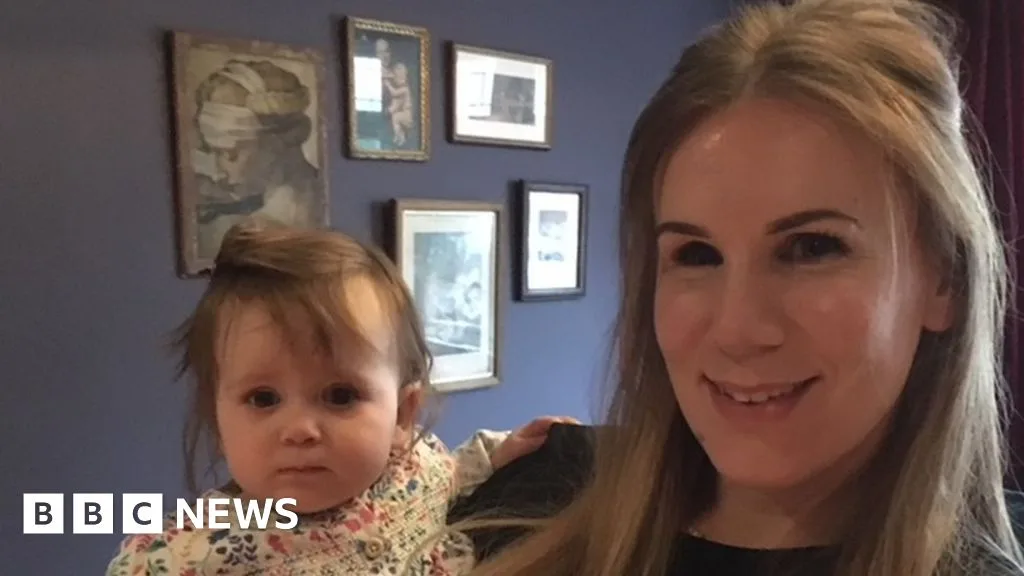
A mother from Chesterfield has recounted the harrowing experience of identifying her daughter's eye cancer, a condition that multiple doctors initially dismissed. Jennifer Salt, a 40-year-old project manager, first noticed abnormalities in her newborn daughter Maggie's left eye just weeks after birth, describing it as swollen and "gunky." Despite seeking medical advice and receiving reassurances that everything was fine, Jennifer's concerns intensified when she observed a distinctive beige-coloured glow in Maggie's eye, a symptom that would later prove crucial.
The Alarming Discovery and Medical Journey
Jennifer's persistence led to an ultrasound when Maggie was four months old, revealing a cloud-like structure in her eye. The diagnosis was devastating: bilateral retinoblastoma, a rare form of eye cancer affecting both eyes. "It was completely shattering," Jennifer recalled. "Then, things were made worse, as we were told it was present in both eyes. Instead of letting it defeat me, I went into autopilot mode. I was determined to fight for my little girl."
Prior to the official diagnosis in November 2021, Jennifer had noticed Maggie struggling to focus and shared her worries with her partner, Karl, 39. Her own research into the symptoms left her chilled to the core, fearing potential blindness for her daughter. Faced with a four-week wait for a referral, Jennifer took decisive action by contacting her local MP, which expedited an emergency appointment that confirmed her worst fears.
Aggressive Treatment and Ongoing Challenges
Maggie's cancer was graded as Grade B in her right eye and Grade E in her left, necessitating immediate intervention. At four months old, she underwent chemotherapy to shrink the tumours. Tragically, the treatment caused her left eye to shrink irreversibly, leading to its surgical removal. Jennifer described the emotional toll: "Watching the ordeal Maggie was going through took a toll on me. My mental health plummeted."
Complications arose when Maggie's body rejected an implant, requiring a graft using fat from her buttocks, which unfortunately led to recurring cysts. In another distressing development, a mass was discovered on Maggie's pineal gland, though it was later identified as a benign cyst. Throughout this, Jennifer has faced the additional challenge of managing public reactions, with people often staring or making hurtful remarks about Maggie's appearance.
Hope and Advocacy for the Future
Despite these obstacles, Maggie's spirit remains unbroken. Jennifer notes that obtaining a more realistic prosthetic eye significantly boosted her daughter's confidence, especially as she prepared to start school. "She's got the biggest smile and such a zest for life," Jennifer said proudly. However, the battle is not over; due to the nature of retinoblastoma, Maggie may continue to develop tumours until she reaches six years old and faces an increased risk of other cancers.
Jennifer is now dedicated to raising awareness about the warning signs of eye cancer in children, hoping to prevent other families from enduring similar ordeals. She expressed gratitude for the support received but emphasised the need for more specialised assistance for families coping with childhood cancer. "Coping with a member of the family having cancer, particularly a child, is so gruelling. I hope there will be specific support given to families in the future for all the trauma they're going through," she added.
Maggie has undergone sclerotherapy to address cysts in her eye socket and awaits further treatment, with her vision in her right eye still being assessed. Jennifer's story underscores the vital role of parental vigilance and the importance of advocating for timely medical attention when instincts signal that something is amiss.