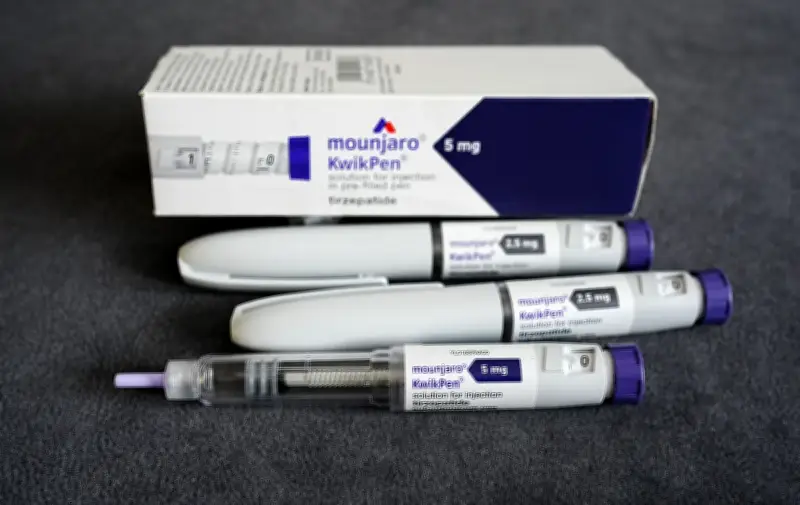
MPs have criticised the NHS rollout of the weight-loss drug Mounjaro as “unambitious”, warning it will reach only a “wofully small number of people”. According to the Commons Health and Social Care Committee, only around 6% of eligible people will get or currently receive Mounjaro (a GLP-1 weight loss drug) on the NHS in its first three years, with millions more turning to private firms.
Two-tier system concerns
MPs used their report to call for obesity to be treated as a long-term, managed condition like diabetes, saying people suffer relapses. They pointed to the “two-tier system” that has developed for access to drugs, adding: “The Government must urgently reassess the pace of rollout of Mounjaro. This should include making better use of the capacity of digital providers.”
“As a first step, the department should hold a summit on GLP-1 access with a range of providers and healthcare professionals to open a dialogue on how best to improve the rollout.”
Rollout details
In June 2024, the National Institute for Health and Care Excellence (Nice) recommended Mounjaro as an option for managing overweight and obesity. The NHS has also approved semaglutide (Wegovy) for obese people, though many get their prescriptions privately due to a lack of access on the NHS.
With Mounjaro, the NHS estimated 2.8 million patients would be eligible and, if all presented within the first year of availability, the cost would be £15.2 billion over five years. As a result, Nice agreed to NHS England’s request that the rollout of Mounjaro should be done gradually, MPs said.
The NHS has been rolling out access to 220,000 people over three years, with the Health Foundation saying this makes up only around 6% of those who would be eligible based on Nice’s recommendation.
Children's services
In a chapter on children, the report examined the demand for specialised clinics for young people known as complications of excess weight (CEW) clinics. These services have been commissioned to see between 25 and 200 young people per year, but MPs heard waiting times to access the clinics were around six months and waiting lists ranged from 20–100 young people.
Around 16,000 children and young people in South Yorkshire may meet the referral criteria, they said, but there were only places to support around 100 families per year. The report said: “Any redesign of services must ensure that children living with obesity get the specialised, holistic support they need.”
MPs' recommendations
MPs said a new framework is needed to “include ambitious targets for the proportion of a local population that should be able to access GLP-1s”. Data suggests more than 2.37 million packs of GLP-1s are being prescribed every month in the UK, “with the vast majority of these being accessed privately”, the study said.
MPs added that “people living with obesity are being let down by the NHS”, including on accessing weight-loss drugs, as well as other programmes designed to help them lose weight. “Access to GLP-1 medication appears increasingly to be determined by ability to pay rather than clinical need,” they said. “Given that obesity already follows stark lines of deprivation and inequality, failing to provide equitable access will entrench and widen those disparities, letting down the patients who need support most.”
The report also called for better data-sharing between GPs and those prescribing drugs, and urged the Government to “review the capacity and capabilities of the Medicines and Healthcare products Regulatory Agency (MHRA)” and whether it is “sufficiently resourced to address the illegal trade in GLP-1s”.
Committee chairwoman Layla Moran said: “Millions of children and adults in England live with obesity and excess weight – a chronic, relapsing condition that leads to further serious illnesses.” She said weight-loss drugs “remain out of reach for those who can’t afford them”, adding: “A two-tier system has emerged because of limited supply via the NHS, inadvertently deepening health inequalities.”
Henry Gregg, chief executive of the National Pharmacy Association, said: “We agree with MPs that the NHS rollout remains extremely slow, with many people who could benefit from treatment being unable to access it.” Charlotte Parker, a pharmacist at LloydsPharmacy Online Doctor, said: “We’re entering a particularly turbulent period for weight management in the UK. With overseas patents for semaglutide expiring throughout 2026, generic versions of these medicines will become more widely available.”
An NHS spokesperson said: “The health service is currently testing new ways to accelerate access, including new routes for starting these medicines, to ensure millions more people can benefit – while also offering a wide range of other support, which has already helped tens of thousands of people achieve a healthier weight.”