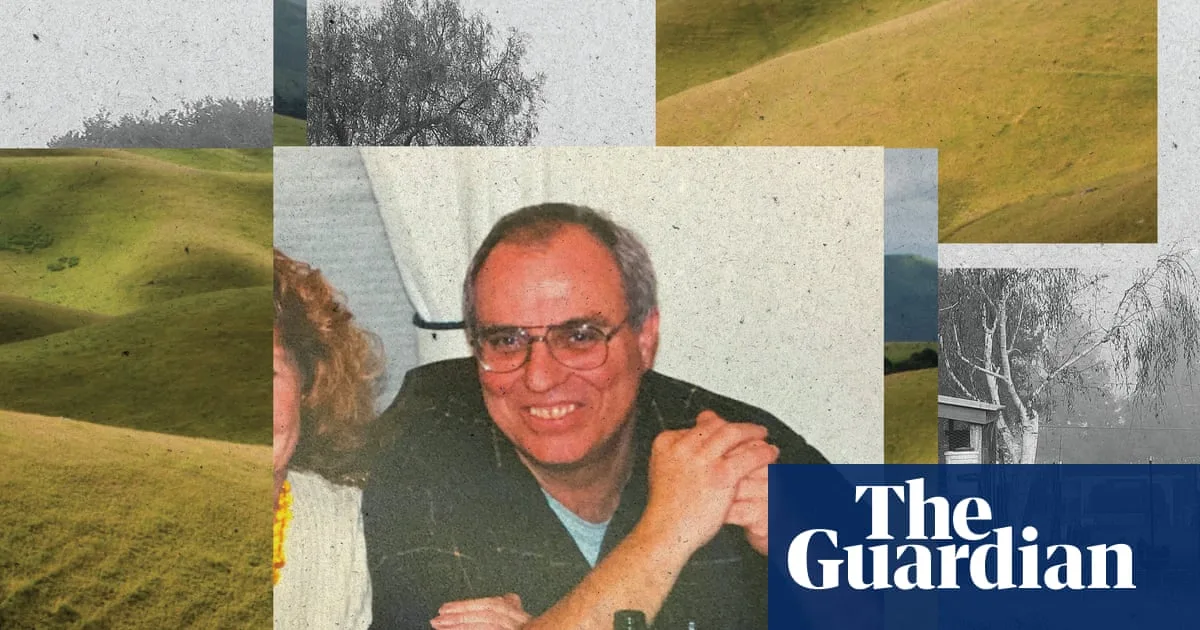
For nearly three decades, Jim West transformed San Juan Bautista, a small California town of 2,200 people. After his shocking gun suicide in December 2018, a local behavioral health agency stepped in to help a community in mourning. The tragedy highlighted the severe mental health crisis in rural areas, where suicide rates are disproportionately high and often underreported.
West, the town's mayor, was found dead in his truck at his workplace, having taken his own life with a gun. His close friend Anthony Botelho, a county supervisor, was devastated, saying he had not noticed any signs of distress. West was a beloved figure who had moved to the town decades earlier and became deeply involved in community life, organizing parades, building parks, and serving as mayor until his death.
More Americans die by gun suicide than by gun homicide. Rural communities like San Juan Bautista have long experienced higher suicide rates than urban areas, and most of these deaths involve firearms. In such a small town, a single suicide can dramatically alter the suicide rate: West's death alone pushed the town's rate to more than three times the national average and four times the state average.
Experts note that traditional methods of measuring suicide rates become statistically meaningless in small populations. A study found that nine in 10 US counties have populations too small to produce reliable firearm suicide rates under CDC guidelines, which require at least 20 deaths for reliable data. Researchers have developed models that borrow data from neighboring counties to fill gaps, particularly in rural areas where the need is greatest.
West's death resonated beyond the town, reaching Washington DC, where US Representative Jimmy Panetta entered a statement in the congressional record honoring West's contributions. Mental health experts emphasize that suicide is a public health problem, and prevention strategies include expanding access to mental health services, particularly in rural areas where resources are scarce.